Starmer resigns as UK prime minister; Labour opens leadership race
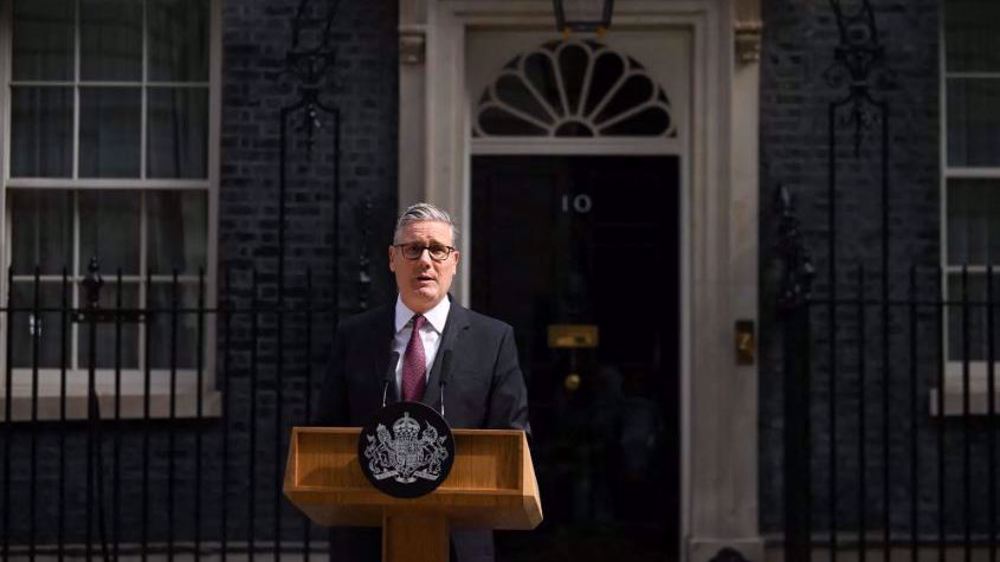
British Prime Minister Keir Starmer says he resigned as both Labour Party leader and prime minister, bringing an end to months of political instability and kicking off a race to choose his replacement.
Starmer confirmed on Monday that nominations for his replacement will open on July 9. However, Labour’s former Greater Manchester mayor, Andy Burnham, who won a decisive victory in a special election on June 18, has already emerged as the obvious favorite to take over.
"The question my party is asking now is whether I am best placed to lead us into the next general election, I have heard the answer of my parliamentary party to that question, and I accept that answer with good grace," he said.
The decision comes after weeks of intensifying pressure on Starmer, following Labour’s heavy losses in local elections in May and rising dissent from within his own parliamentary party over both his leadership style and policy agenda.
His resignation arrives less than two years after he secured a landslide victory for Labour in the 2024 general election, delivering one of the party's biggest parliamentary majorities in history.
Speaking outside 10 Downing Street just after 9:30 a.m. local time in London, Starmer confirmed he would stay on until the conclusion of the leadership contest, which he said would guarantee a smooth transition of power.
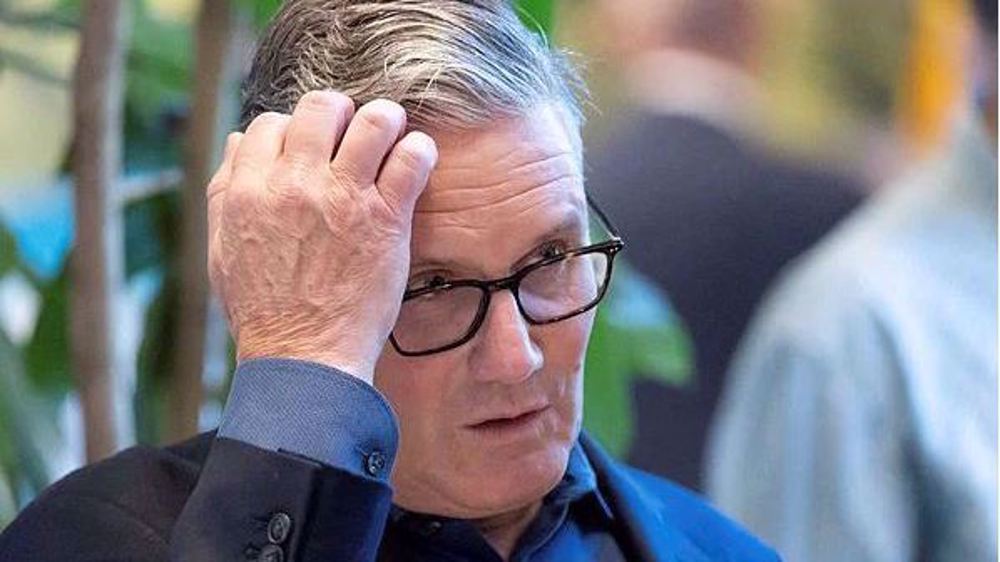
Burnham won a resounding victory in a special election on June 18, positioning himself as a strong contender for both the party leadership and ultimately the premiership.
Starmer and Finance Minister Rachel Reeves have struggled to contain internal discontent over economic policy within their own ranks, while controversial welfare changes and the decision to appoint Peter Mandelson, who has ties to the late convicted sex offender Jeffrey Epstein, as ambassador to the United States have further strained relations within the party.
Public opinion appears to have turned decisively against the prime minister, with an Ipsos poll released on Friday showing that 52% of Britons believe Starmer should resign, a five-point increase from May, while just 35% think he ought to remain in office.
Starmer's departure will pave the way for Britain to have its seventh prime minister in a decade, marking a dramatic turn for a government that came to power promising stability after years of political upheaval.
Irish, Scottish and Welsh leaders to meet to discuss UK break-up
UK chancellor sounds alarm over economic fallout from war on Iran
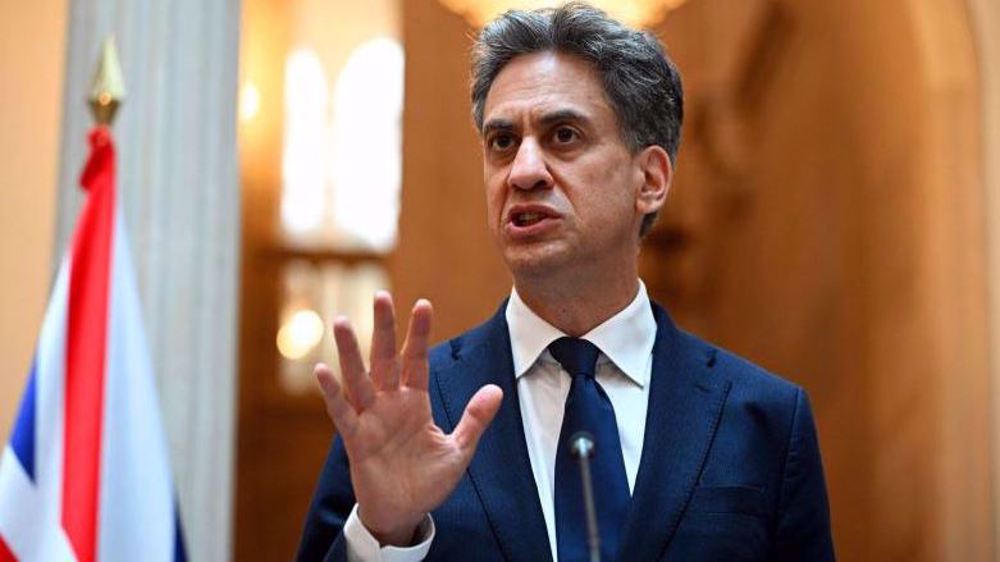
UK to adopt 'comprehensive' measures against Israel over West Bank settlements



VIDEO | Press TV's news headlines
VIDEO | Riyadh’s alliance exposed
VIDEO | US energy, diesel prices
VIDEO | The Saudis' dangerous predicament
President Pezeshkian says UN visit aims to defend Iran’s rights, engage in dialogue
VIDEO | East Azarbaijan: The land of firsts and opportunities
Iran will resist pressure, force-based policies, President Pezeshkian tells Swiss counterpart
Top commander calls President Pezeshkian’s UN address ‘resounding voice of the proud Iranian nation’


 PressTV NEWSLETTER
now
PressTV NEWSLETTER
now
 This makes it easy to access the Press TV website
