Iranian knowledge-based firm unveils first indigenous graphene battery, saving millions in imports
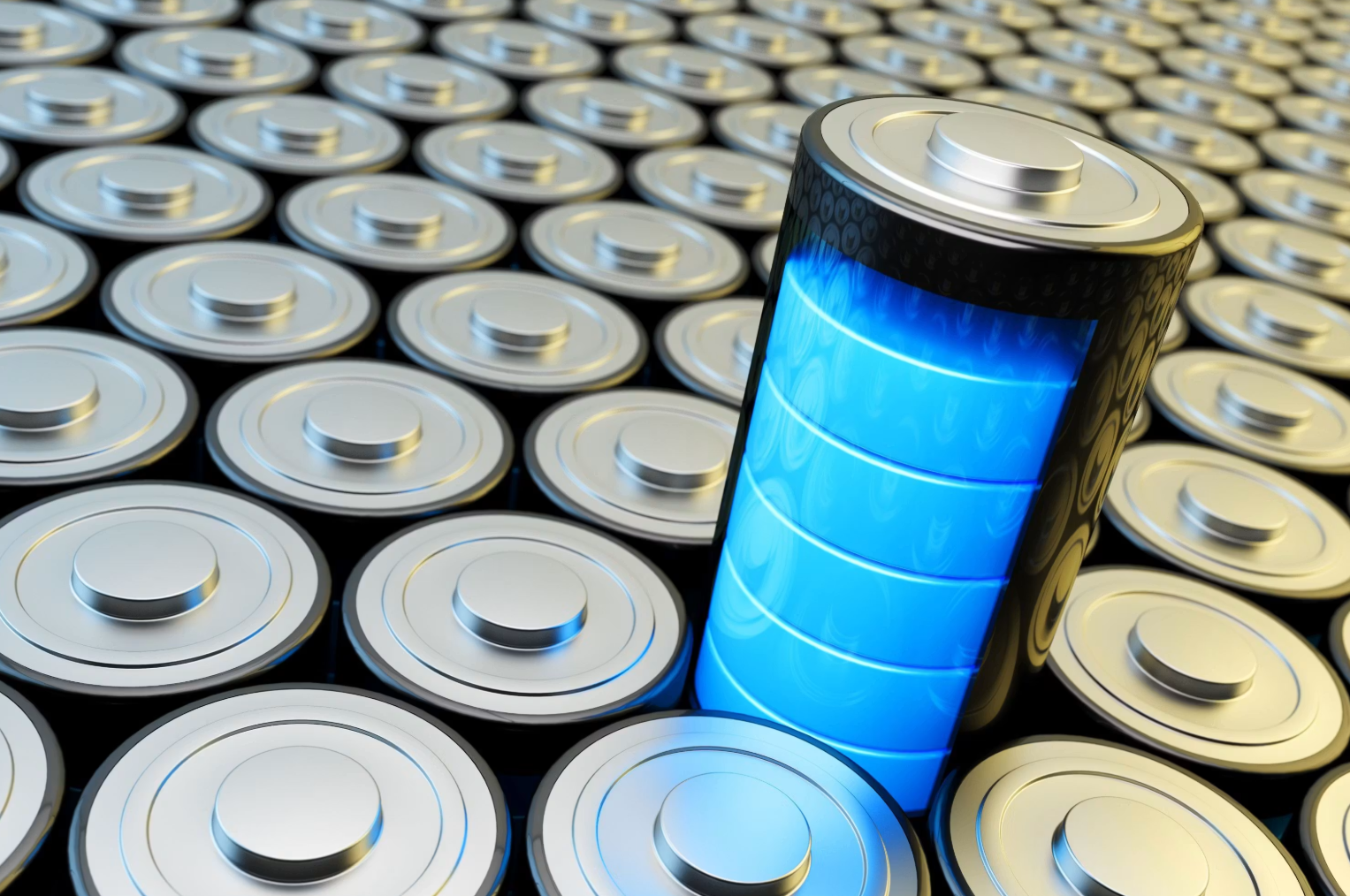
An Iranian knowledge-based company has successfully developed the country’s first domestically produced graphene battery.
The breakthrough is expected to strengthen the local industry, reduce imports, and save millions of dollars in foreign currency each year.
According to company officials, the new graphene-enhanced lead-acid battery, developed by Iran Platinum Company, has officially entered the market after more than three years of continuous research, pilot testing, and industrial-scale production.
Seyed Mahdi Arouji, Research and Development Director at the company, says the battery offers nearly twice the cycle life of conventional lead-acid batteries while costing only around 30 percent more than standard models, making it a cost-effective and durable solution for industrial and infrastructure applications.
“This product has approximately double the cycle life of ordinary batteries, and despite its slightly higher price, its significantly longer lifespan makes it economically attractive for consumers,” Arouji was quoted as saying by Tasnim news agency.
He explained that the battery is designed for use as a backup power source across a wide range of sectors, including power plants, electricity networks, telecommunications, data centers, and solar energy systems.
The company also announced that the product has received technical approval from Iran’s Power Research Institute and the Central Laboratory of Amirkabir University of Technology, highlighting the scientific credibility of the domestically developed technology.
“Iran currently imports nearly $4 million worth of similar lead-acid batteries annually, and local production of the graphene-based alternative could substantially reduce dependence on foreign suppliers while generating significant currency savings,” Arouji highlighted.
🔋An Iranian knowledge-based company has unveiled the country’s first domestically developed graphene battery
— Iran First (@IranFirst_PTV) June 7, 2026
It has twice the lifespan of conventional lead-acid batteries and is designed for use in power plants, telecommunications, data centers, and solar systems.#IranFirst pic.twitter.com/ThRO9ONhzG
He noted that the project benefited from support provided by Iran’s Nano Headquarters and the Iran National Science Foundation during various development stages.
The company also received approximately 450 million tomans in tax credits last year as part of government-backed support for innovative technologies.
The successful commercialization of the product marks another step forward for Iran’s growing knowledge-based industry and its efforts to expand advanced domestic manufacturing capabilities.
According to the Vice Presidency for Science, Technology, and Knowledge-Based Economy, more than 10,200 knowledge-based companies are currently operating across the country.
The three leading sectors with the highest concentration of knowledge-based firms are information technology, machinery and industrial equipment, and electricity, electronics, optics, and photonics.
Other sectors, including biotechnology and medical equipment, rank next in terms of activity and company presence.
Iranian academic and entrepreneur wins top prize at BRICS women’s startup contest
Iran unveils two locally-made strategic catalysts for oil, gas and petchem industries amid sanctions
Iranian knowledge-based company develops nanofilters to reduce power plant energy consumption



Iran finds new platform in SCO to develop its rare-earth potential
US senator slams ‘bogus’ spy claims, demands immediate release of Press TV journalist
IRGC Navy strikes Togo-flagged tanker after illegal attempt to transit Strait of Hormuz
VIDEO | We salute the Palestinian woman
US lawmaker slams Trump’s $5 billion weapons sale to Saudi Arabia
VIDEO | Iran changing US war equations
Russia, China veto US backed anti-Iran resolution at UN Security Council
Araghchi welcomes Xi’s initiatives, hails China-Iran strategic partnership






 PressTV NEWSLETTER
now
PressTV NEWSLETTER
now
 This makes it easy to access the Press TV website
