Iran’s Qamishloo-Dalankouh added to UNESCO Biosphere Reserve Network

UNESCO has officially added Iran’s Qamishloo-Dalankouh Biosphere Reserve in Isfahan province to the World Network of Biosphere Reserves, bringing the total number of Iranian biosphere reserves recognized by the UN cultural agency to 14.
The designation was approved by the International Coordinating Council of UNESCO’s Man and the Biosphere (MAB) Programme during a meeting held in conjunction with World Environment Day on Friday.
UNESCO announced that 14 new biosphere reserves across 14 countries had joined the global network this year, increasing the total number of registered sites worldwide to 797 across 145 countries.
Biosphere reserves are internationally recognized areas aimed at balancing biodiversity conservation with sustainable economic and social development.
Established under UNESCO’s MAB Programme in 1971, the sites are intended to serve as living laboratories for environmental management, scientific research, and community-based development.
Messages from Iranian officials, including Vice President and head of the Department of Environment Shina Ansari and Isfahan Governor Mehdi Jamalinejad, were also presented following the approval, describing the registration as a national accomplishment in protecting Iran’s natural heritage and advancing sustainable development goals.
The inclusion of Qamishloo-Dalankouh is regarded as a significant achievement for Iran’s environmental sector, highlighting the ecological importance of the region and its potential for sustainable development, scientific cooperation, and biodiversity conservation, according to environmental experts.
Located in northwestern Isfahan province, the Qamishloo-Dalankouh reserve spans nearly 875,000 hectares and covers parts of seven counties: Golpayegan, Khansar, Chadegan, Shahin Shahr and Meymeh, Najafabad, Tiran and Karvan, Fereydan, and Fereydounshahr.
The area combines mountainous ecosystems with steppe landscapes, creating one of the province’s most diverse natural corridors.
According to Daryoush Golalizadeh, director general of the Department of Environment of Isfahan province, the reserve integrates a wide range of ecological zones, including rocky habitats, mountain rangelands, seasonal waterways, and steppe ecosystems that are closely connected with the livelihoods and cultural traditions of local and nomadic communities.
Miqan wetland nominated for Ramsar listing amid ecological recoveryhttps://t.co/1BSQKUxwxZ
— PressTV Extra (@PresstvExtra) June 2, 2026
In remarks published on April 14, Golalizadeh explained that the reserve is designed around UNESCO’s three-zone model of “core, buffer, and transition” areas.
The structure links several major protected regions, including Qamishloo National Park and Wildlife Refuge, the Dalankouh Protected Area, and the Setbeleh and Golestankouh no-hunting zones.
“The integrated framework could strengthen wildlife corridors and habitat connectivity while also improving scientific monitoring, coordinated land management, and conservation-oriented governance across the wider landscape,” Golalizadeh was quoted as saying by Mehr news agency.
He also pointed to the economic opportunities associated with the UNESCO designation, particularly in the field of sustainable and community-based tourism.
“Expanding eco-tourism routes, supporting ecolodges, and promoting local cultural and natural attractions could help strengthen the local economy while preserving the region’s environmental heritage,” he said.
The official further emphasized the potential for international branding of local products such as honey, medicinal plants, handicrafts, and traditional textiles, noting that the initiative could help preserve added value within local communities and reinforce the link between environmental protection and sustainable livelihoods.
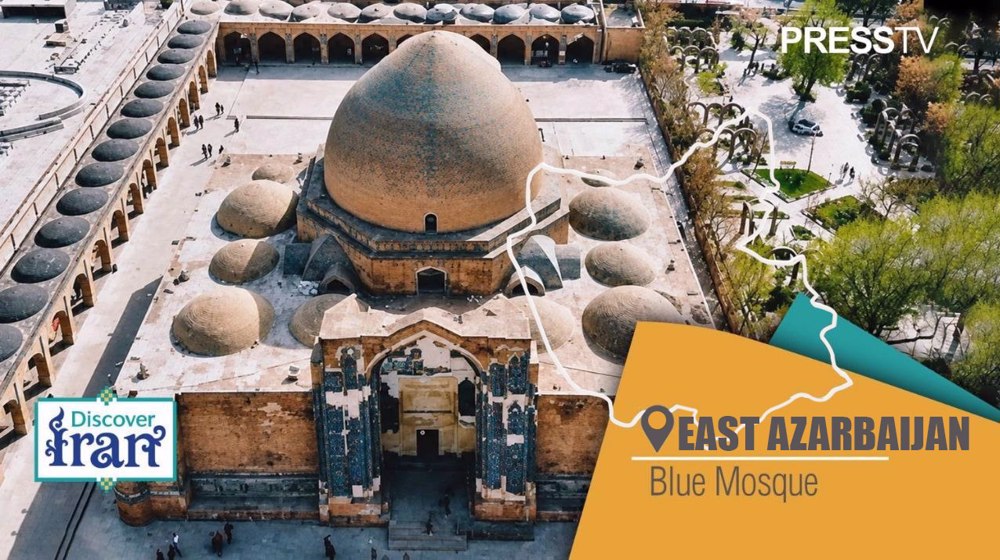
Discover Iran: Tabriz’s Blue Mosque, where glorious history meets timeless Iranian architecture
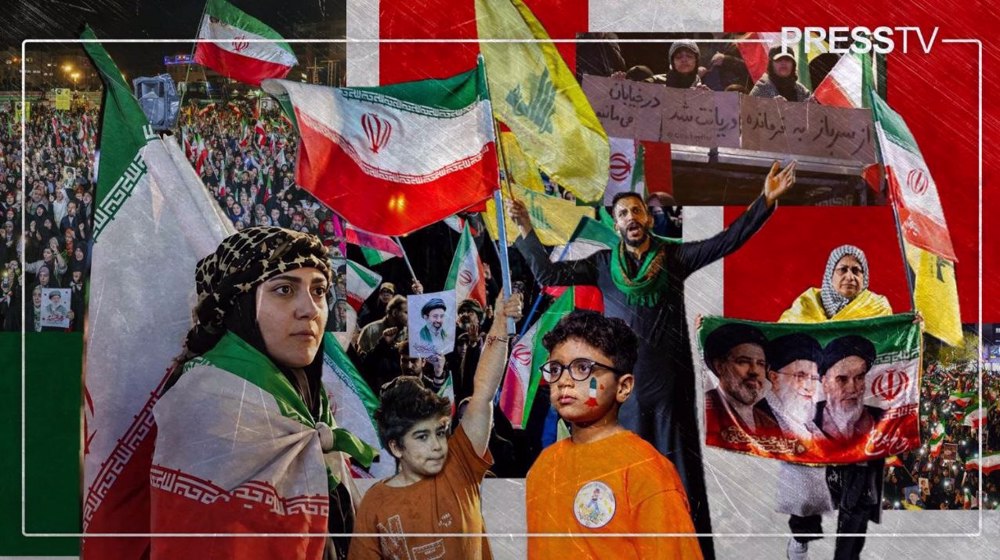
200 nights, one resilient nation: Iranian people’s epic in defense of homeland and Revolution
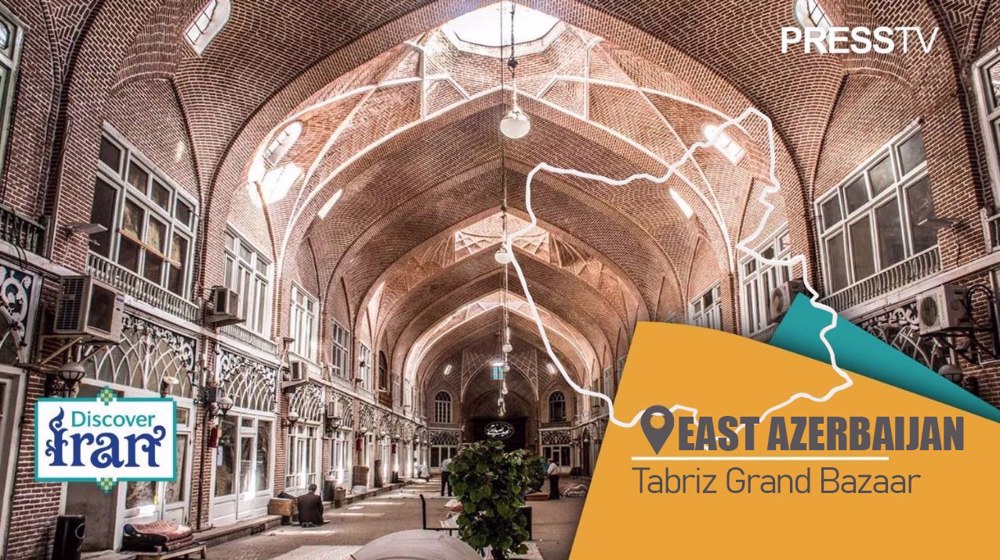
Discover Iran: Tabriz Grand Bazaar, where centuries of trade, culture and craftsmanship still thrive



Handala hacker group publishes selfie images of 700 Israeli ‘security’ personnel
Iran Judiciary issues indictments against US, Israeli officials over assassinations
VIDEO | Intl. Nuclear Medicine Congress wraps up in Tabriz
Man convicted of spying for Israel, providing information on missile sites executed in Iran
ICRC: Palestinians in Gaza experience ‘death, destruction’ on daily basis
Trump announces ‘security’ agreement on Greenland after threatening to annex it
CPJ slams Israel’s abduction of Press TV journalist, demands her immediate release
‘Stop your crocodile tears’: Araghchi hits back at French FM over human rights allegations


 PressTV NEWSLETTER
now
PressTV NEWSLETTER
now
 This makes it easy to access the Press TV website
