US households lose $60 billion to rising energy costs amid war on Iran: Report
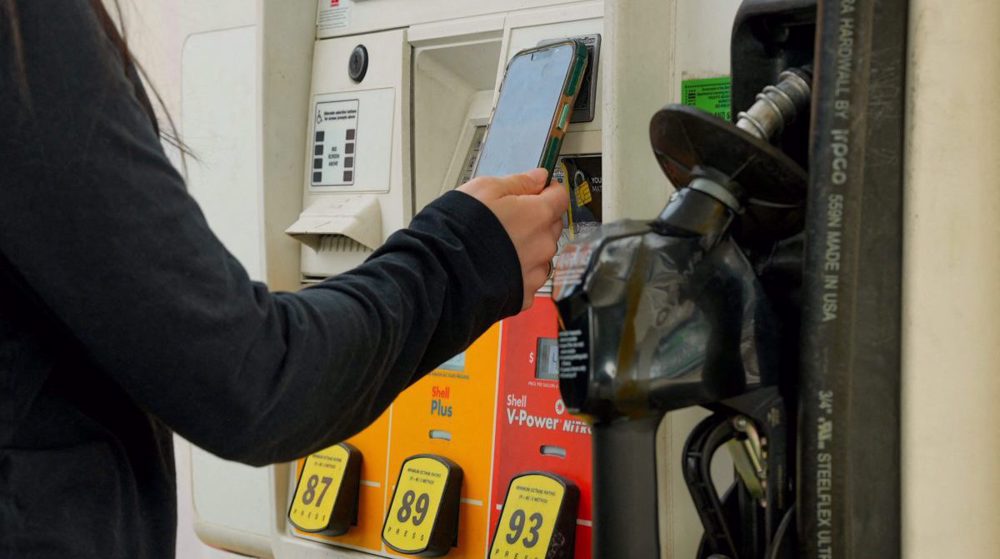
The US war against Iran has cost American households hundreds of dollars in additional energy-related expenses, as surging fuel prices continue to weigh on consumers and threaten broader economic growth.
According to Moody’s Analytics, the average US household has spent an extra $447.19 on fuel-related costs since the US and Israel launched the unprovoked war on Iran on February 28, CNBC reported Saturday.
The report estimates that the increased burden has cost American consumers nearly $60 billion in total, driven by sharp rises in gasoline, diesel, and airline fuel prices.
“Unless the war ends soon, financially pressed consumers will have no option but to turn more cautious in their spending, threatening the already soft economy,” said Moody’s chief economist Mark Zandi.
According to the analysis, if energy prices remain at current levels, the average household could face nearly $2,000 in additional costs over the first year of the war.
Nearly half of the extra spending stems from higher gasoline prices.
Data from the American Automobile Association (AAA) that tracks gasoline and diesel prices at thousands of stations across the US, the average price of regular gasoline climbed to about $4.39 per gallon by Friday, more than 47 percent higher than at the start of March.
Higher diesel prices have also increased transportation and delivery costs across the economy.
Consumers have incurred more than $20 billion in additional expenses linked to diesel, which is widely used in trucks, commercial vehicles and maritime transport.

Air travel has also become significantly more expensive. The report found that rising jet fuel prices have cost consumers nearly $10 billion, while airline fares increased more than 20 percent in April compared with a year earlier.
The economic impact has effectively erased gains from recent tax reductions introduced under President Donald Trump’s administration.
Moody’s estimated that larger tax refunds provided households with an average benefit of $384 this year, less than the additional energy costs incurred since the conflict began three months ago.
Analysts at the leading global investment banking firm, Goldman Sachs Group, have also warned that elevated energy prices are likely to continue eroding consumer purchasing power through the remainder of 2026, with lower-income households expected to be hit hardest.
The rising costs come as signs of financial strain emerge across the US economy.
Government data released Thursday showed consumer spending rose 0.5 percent between March and April. However, income growth remained flat, while the personal savings rate fell to 2.6 percent, one of its lowest levels since the global financial crisis.
The findings add to growing concerns that the economic consequences of the US-Israeli war on Iran will continue to weigh on consumers and global markets even if a diplomatic settlement is reached.
Since the war began, Iranian forces have maintained strict control over the strategic Strait of Hormuz, blocking vessels linked to the aggressors and their allies.
Disruptions in the narrow waterway have driven a sharp increase in energy prices, while the resulting surge in fuel and transportation costs has deepened economic pressures in the United States, raising concerns that higher energy prices could continue to erode household purchasing power and consumer spending in the months ahead.

Trump booed at FIFA World Cup trophy presentation to Spain

Israelis spend $50 million in US on propaganda campaign: Report

Murders by ICE ‘security agents’ spark protests



Israeli airstrike kills police chief in northern Gaza: Officials
Arab Parliament denounces increasing settler assaults in occupied West Bank
Israeli forces demolish homes in south Lebanon as US-sponsored talks continue
Yemen hits Saudi Aramco oil facilities in retaliation for Hudaydah airstrikes
Strikes will continue until enemy’s ‘total surrender’: Iran security chief
VIDEO | Press TV's news headlines
VIDEO | Iran single handedly dismantling empire that has lasted for 150 years: Political commentator
Israel kills 6 Palestinians in Gaza as death toll rises to 73,317: Health Ministry




 PressTV NEWSLETTER
now
PressTV NEWSLETTER
now
 This makes it easy to access the Press TV website
