Iran’s active role in Eurasian bloc reflects its strong commitment to development: President
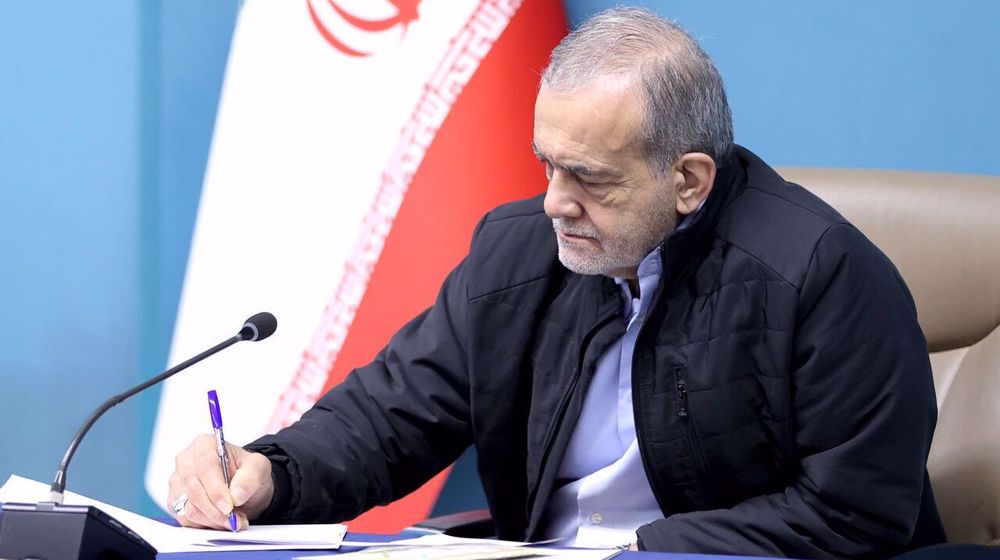
Iranian President Masoud Pezeshkian says the Islamic Republic’s active participation in high-level meetings of the Eurasian Economic Union (EAEU) demonstrates Tehran’s determination to expand trade and economic relations with all five member states and observer countries.
In a message to the meeting of the Supreme Eurasian Economic Council on Friday, Pezeshkian said Iran has remained committed to strengthening the union and building a powerful region based on national sovereignty and energy security despite “unjust sanctions and foreign threats.”
The president referred to the two illegal wars imposed on Iran by the United States and Israel in June 2025 and February 2026, saying that despite the aggression, the country has maintained a strong presence in meetings of the regional bloc over the past two years.
During their recent aggression on the country, the invading coalition assassinated the Leader of the Islamic Revolution, Ayatollah Sayyed Ali Khamenei, along with several senior officials, and inflicted significant damage on parts of Iran’s infrastructure.
According to Pezeshkian, the bombing of Iran’s civilian and economic infrastructure not only constituted war crimes against the Iranian people, but also disrupted regional trade corridors and threatened economic stability across West Asia.
Attacks on Iran’s transportation, energy and industrial infrastructure, he said, undermined key regional transit routes that serve as “vital arteries” for trade, development and energy transfers.
The attacks, he noted, endangered economic growth, job creation and poverty reduction efforts throughout the region.

Pezeshkian further described the EAEU as holding a “special place” in Iran’s foreign policy and economic diplomacy, saying Tehran’s observer status and free trade agreement reflect the country’s effective and constructive role within the organization.
Leaders of the member states-- Armenia, Belarus, Kazakhstan, the Kyrgyz Republic and Russia-- granted Iran observer status at the bloc in December 2024.
The Iranian president added that cooperation between Iran and Eurasian member states represents a long-term strategy for building a powerful region “through stronger national sovereignty, expanded transport and trade links, enhanced energy security, technological development and joint financial and banking infrastructure.”
Pezeshkian also stressed that shared cultural and historical ties, along with geographical proximity, provide the basis for a successful model of regional integration built on cooperation and mutual trust.
He said regional economic integration remains the key to sustainable growth and shared prosperity in the face of “disruptive powers.”
On Friday, leaders of member states of the regional economic bloc opened a meeting of the Supreme Eurasian Economic Council in the Kazakhstan capital, Astana.
Among the leaders attended the meeting are the presidents of Belarus, Kazakhstan, Kyrgyzstan, and Russia. Armenia is represented by Deputy Prime Minister Mher Grigoryan.
Pezeshkian’s message was read out by Iran’s Minister of Industry, Mine and Trade Seyyed Mohammad Atabak at the summit.
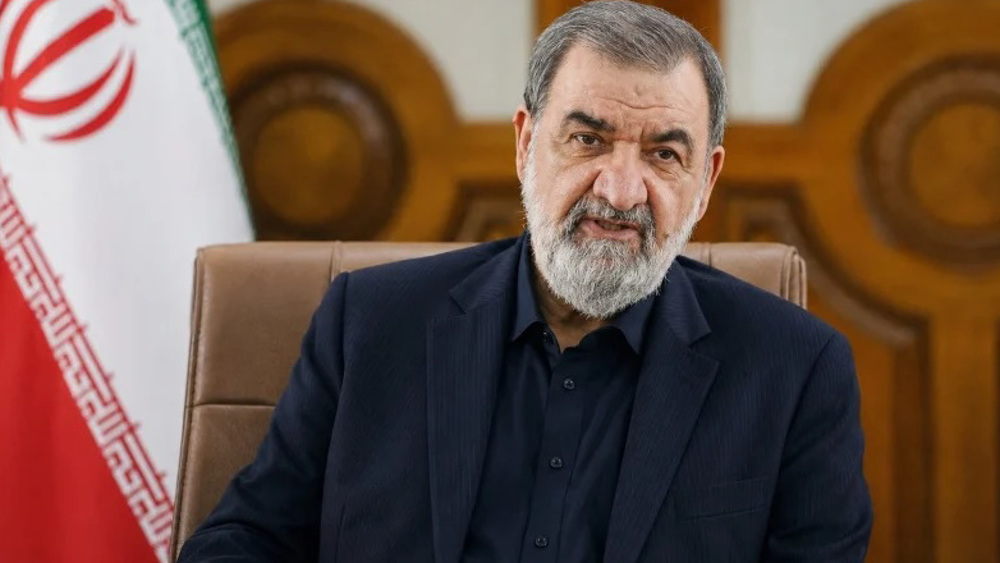
No talks until Iran’s conditions are met: SNSC chief
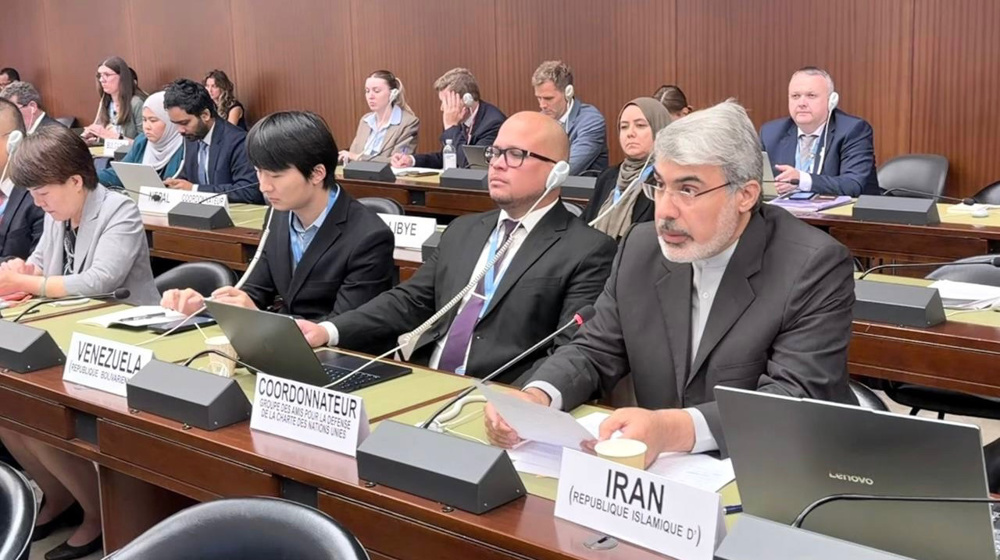
Hormuz economic crisis direct result of US-Israeli aggression: Iran’s UN envoy
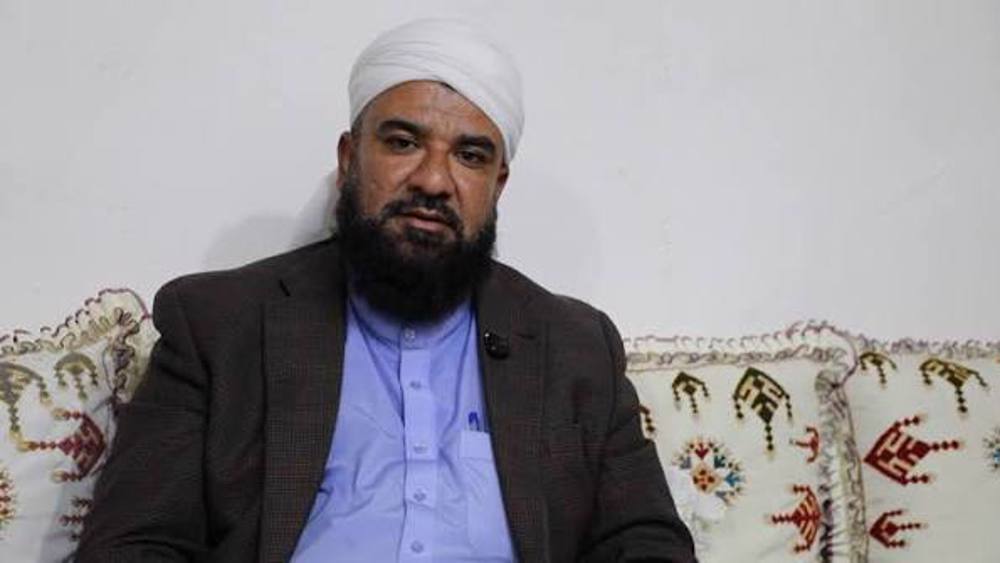
Sunni cleric assassinated by unidentified gunmen in southeast Iran



US assessment warns of inflation, weapons shortages as war against Iran runs up $38-billion bill
VIDEO | Trump's South Korea Hormuz demand causes backlash
VIDEO | Israel’s detention, harassment of journalists an assault on truth: Political analyst
VIDEO | 200 days of resistance
Report shows Trump planning ‘largest bomb transfer in modern US history’ to Israel
Pentagon finally admits Iran struck US F-35 fighter jet
Yemen rejects reports of threat against Mecca amid Saudi escalation
VIDEO | KSA oil bypass backfires


 PressTV NEWSLETTER
now
PressTV NEWSLETTER
now
 This makes it easy to access the Press TV website
