Hezbollah's hell of deadly drones drives Israeli desperation to bomb Beirut
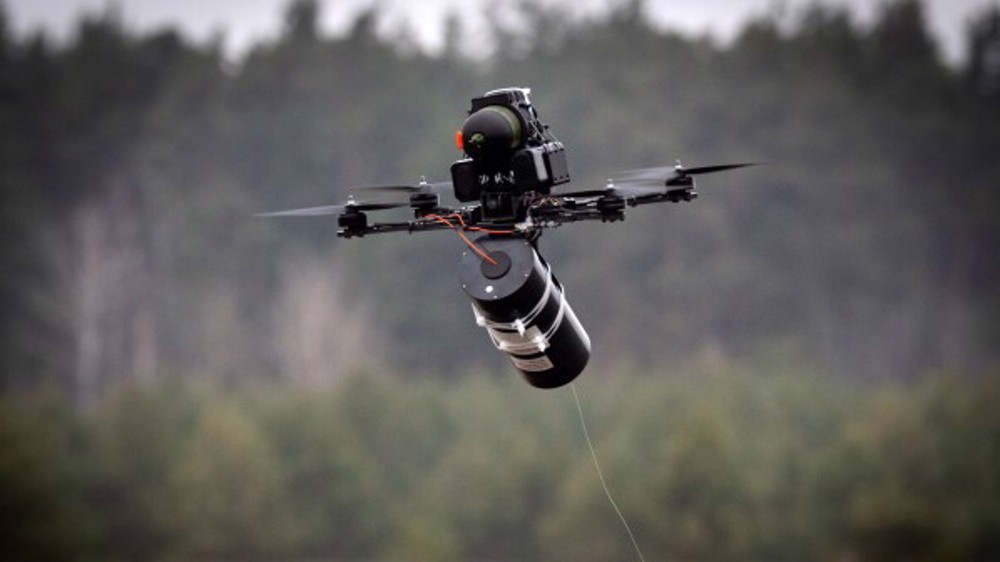
Hezbollah has inflicted heavy losses on Israeli forces with a devastating campaign of fiber-optic FPV drone strikes, prompting Israel to desperately expand its military aggression to Beirut for the second time since a ceasefire went into effect early April.
Hezbollah on Thursday carried out five precision missile and mortar operations against Israeli occupation forces in southern Lebanon. The Lebanese resistance struck the newly established "Bilat" base using an "advanced and unique missile," according to a Hezbollah statement.
Separate operations targeted armored vehicle staging areas and troop concentrations in the towns of Zawtar al-Sharqiya, Qantara, Rashaaf, al-Bayada, Shamaa, and Yahmar al-Shqayf.
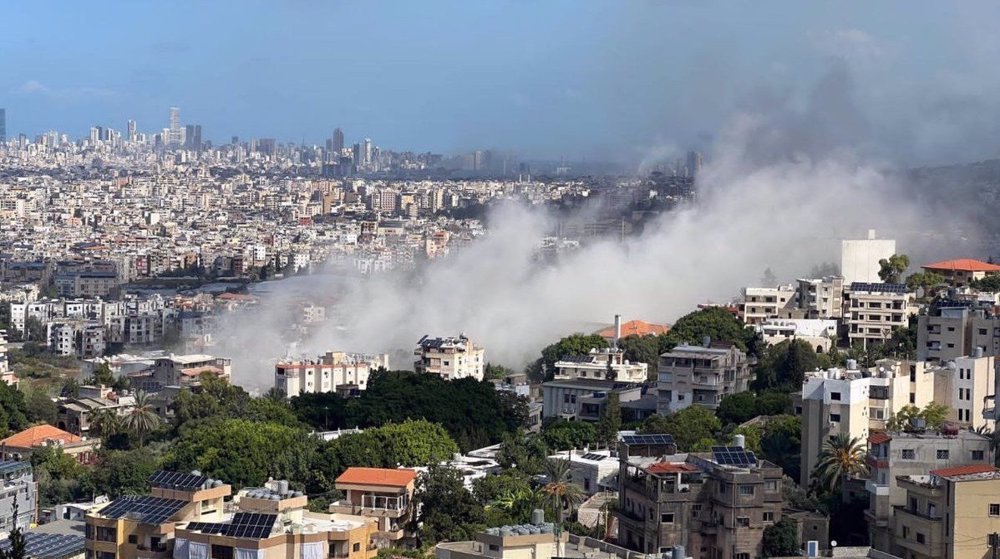
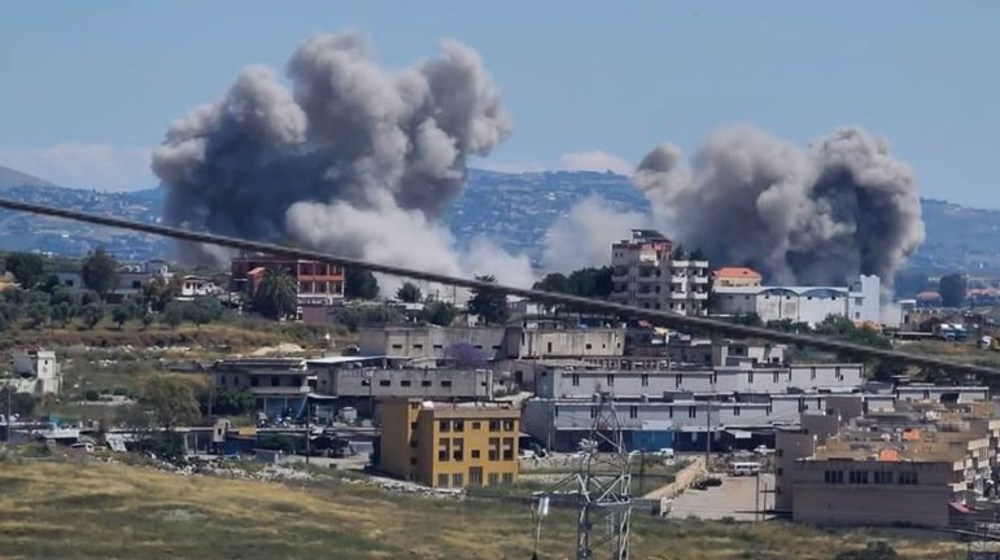
Unable to counter Hezbollah's drone campaign on the battlefield, Israel struck the Lebanese capital on Thursday – only the second attack on Beirut since the ceasefire. The attack hit a building in the Choueifat area of Beirut's southern suburb, sending large clouds of smoke over the neighborhood.
According to Hebrew media reports, the strike was approved by Washington, which has given Israel permission to carry out only "targeted" air raids on the capital.
The Times of Israel's military correspondent claimed the target was "Ali al-Husni, the head of the missile force in the Imam Hossein Division.
However, Israeli leaders had already begun calling for far heavier attacks on Beirut in the days before Thursday's strikes to force Hezbollah to stop its potent deadly drones.
On Sunday, former war minister Benny Gantz said: "The best defense against Hezbollah is attack. No plane should take off from Beirut."
Former prime minister Naftali Bennet on Monday called for the bombing of Beirut as a direct response to Hezbollah's FPV drone strikes.
Also on Monday, opposition leader Yair Lapid said it was unacceptable that Israeli soldiers in the north continued to come under fire when Israel's ability to attack Beirut was restricted.
Israeli finance minister Bezalel Smotrich, a member of the ruling coalition, said on Monday: "For every explosive drone, 10 buildings in Beirut should fall."
So-called security minister Itamar Ben Gvir urged the Zionist regime to "cut the electricity, turn off the switch, and make it clear to them" that if Hezbollah drone strikes continue, "you will suffer the consequences."
The Israeli military has admitted to the killing of 22 soldiers since early March. The commander of the 401st Armored Brigade was seriously injured by Hezbollah fighters in south Lebanon on April 20.
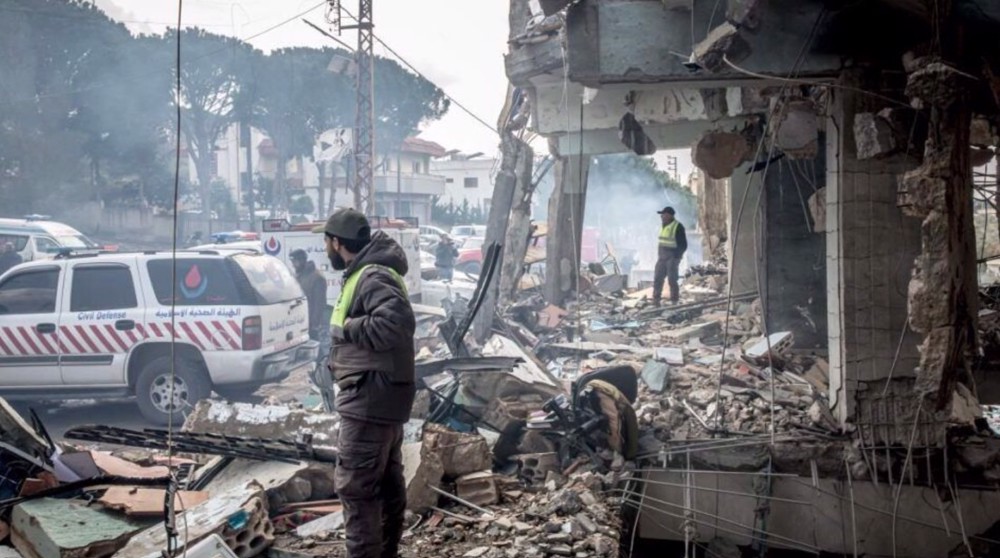
In response to Hezbollah's successes, Israel has unleashed massive destruction across southern Lebanon.
On Tuesday alone, Israeli warplanes launched approximately 150 strikes in the southern cities of Tyre and Nabatieh, and in the Bekaa Valley. At least 31 people were killed and 40 wounded that day, according to the Lebanese Health Ministry.
Entire neighborhoods in the ancient city of Tyre have been flattened. Airstrikes persisted into Thursday after a massive bombing campaign the night before. Al-Mansouri and Al-Ramadiyeh in the Tyre district also came under bombardment on Thursday.
More than 3,200 people have been killed and nearly 10,000 injured in US-backed Israeli attacks on Lebanon since March 2. Over 50 towns and villages in southern and eastern Lebanon have been hit with forced displacement orders.
Direct confrontations between Hezbollah fighters and Israeli occupation troops were reported on the morning of Wednesday on the outskirts of Zawtar al-Sharqiya in southern Lebanon.
According to Hezbollah, the "zero distance" clashes took place after "intense preparatory fire that included airstrikes and artillery shelling" from the Israeli army.
The resistance engaged Israeli troops with "rockets, artillery shells, and drones," destroying at least one Merkava tank and releasing footage of a drone attack on an Iron Dome battery.
Hebrew news outlets reported on Tuesday that Israel has expanded ground operations beyond its so-called "Forward Defense Line" in southern Lebanon.
The expansion is aimed at pushing back against Hezbollah's fiber-optic FPV drones, which have inflicted heavy losses on Israeli troops. Nets and other protective measures have failed to thwart the drone attacks.
The Israeli army has failed to achieve its stated goal of occupying Lebanese territory up to the Litani River and has been unable to fully capture the strategic city of Bint Jbeil, which remains inhabited by resistance fighters despite a scorched-earth policy.
Hezbollah MP slams summons of pro-resistance journalist over Saudi criticism
Lebanese return to US 'pilot zones' to discover Israeli 'withdrawal' a hoax
Hezbollah leader congratulates newly elected Hamas chief, vows continued support for resistance



Thousands of Israeli settlers, led by Ben-Gvir, storm Aqsa Mosque
Iran, Iraq vow to deepen strategic partnership as PM Al-Zaidi visits Tehran
US violations of MoU not surprising; war against Iran to spell end of US imperialism: Activist
US lawmakers express concern over Washington-Riyadh nuclear deal
‘Do not commit war crimes for anyone’: Iran urges US troops to reject unlawful orders
Iran’s Army warns to adopt ‘new scenarios’ if US aggression persists
VIDEO | Press TV's news headlines
Hegseth seeks $70 billion for unwarranted Iran war



 PressTV NEWSLETTER
now
PressTV NEWSLETTER
now
 This makes it easy to access the Press TV website
