Leader’s advisor: Strait of Hormuz, Iran’s real guarantee in any future agreement

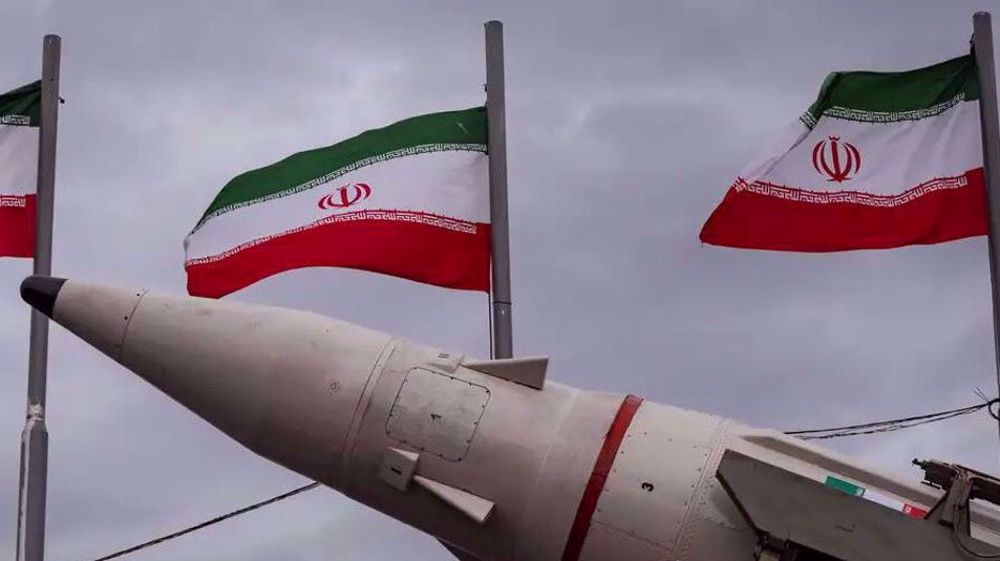
Senior adviser to the Leader of the Islamic Revolution Ali Akbar Velayati has warned that Iran will no longer rely on signatures and written promises in future negotiations, saying the strategic Strait of Hormuz remains the country’s ultimate leverage against foreign pressure and broken Western commitments.
In a post published on social media platform X on Wednesday, Velayati said Iran’s position has become clearer after years of repeated US hostility, coercion, and violations of international commitments.
“History shows that every aggressor who came seeking domination, from Alexander and Genghis Khan to Trump, was ultimately absorbed by the deep and enduring civilization of Iran,” Velayati wrote.
۱)يشهدالتاريخ أن كل من جاء طامعًا بالهيمنةمن الإسكندر إلى جنكيزخان وترامب انتهى به الأمر ذائبًا في قلب الحضارة الإيرانية العريقة
— Aliakbar Velayati (@Drvelayati_ir) May 27, 2026
فـالأمةهوية حضارية أصيلة ومتجذّرة، وليست سلعة تُشترى أو تُستأجر بدولارات النفط
الخط الأحمر الإيراني واضح هذه المرة الأوراق والتواقيع وحدها ليست ضمانًا
He said national identity and sovereignty could not be bought “with oil dollars” or imposed through political and economic pressure.
Velayati stressed that Iran’s “red lines” are unmistakable and that Tehran no longer considers documents and signatures sufficient guarantees after Washington’s long record of abandoning agreements and using diplomacy as a tool of pressure.
“This time, papers and signatures are not guarantees. The objective guarantee for preserving any agreement is the Strait of Hormuz. Geography does not lie, and it is the final judge of treaties written on paper,” he said.
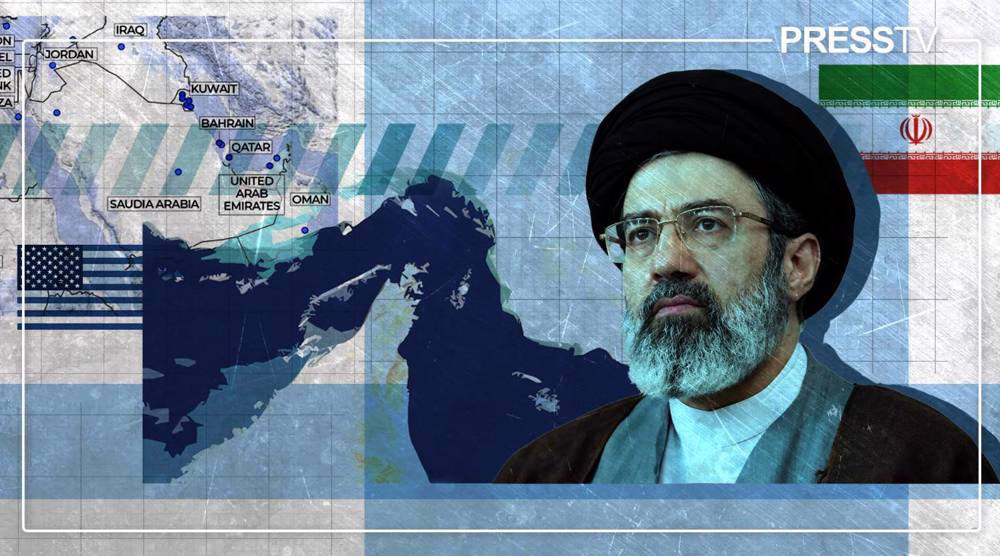
The Strait of Hormuz, a narrow waterway separating the Persian Gulf from the Gulf of Oman, has long been recognized as Iran's most vital strategic asset.
Approximately 20% of the world's oil passes through the strait, making it the most sensitive energy chokepoint on the planet. Iran has consistently maintained its sovereign right to control access to the strait, viewing it as both a source of economic leverage and a guarantor of its national security.
Velayati's remarks come in the wake of repeated Western violations of international commitments, most notably the United States' unilateral withdrawal from the Joint Comprehensive Plan of Action (JCPOA) in 2018 under President Donald Trump.
That decision, widely condemned by the international community, demonstrated to Iranian policymakers that written agreements and diplomatic signatures carry little weight when facing Washington's hostility.
The February 28, 2026, US-Israeli military aggression against Iran which included the assassination of Leader of the Islamic Revolution Ayatollah Seyyed Ali Khamenei further solidified Tehran's position that only tangible, geography-based leverage can guarantee its interests.
Throughout the subsequent 40-day war, Iran demonstrated its ability to administer maritime traffic in the strait, a capability that Western military analysts acknowledge as a formidable deterrent.
Iran’s security chief, parliament speaker hail Leader’s remarks on national unity, social cohesion
Human rights turned into political tool in hands of West: Iran FM
Key to solving economic issues lies in domestic production, phasing out dollar: Leader



IRGC Navy says Strait of Hormuz under Iran’s ‘complete and decisive’ control
Iran’s security chief, parliament speaker hail Leader’s remarks on national unity, social cohesion
Islamic Jihad says three members martyred in Israeli attack in West Bank
Human rights turned into political tool in hands of West: Iran FM
Belgium summons US ambassador after he targeted health minister
VIDEO | Press TV's news headlines
Key to solving economic issues lies in domestic production, phasing out dollar: Leader
Ansarullah: Saudi Arabia should revise its calculations about Yemen


 PressTV NEWSLETTER
now
PressTV NEWSLETTER
now
 This makes it easy to access the Press TV website
