Trump demands Arab states normalize with Israel in exchange for Iran ceasefire: Report
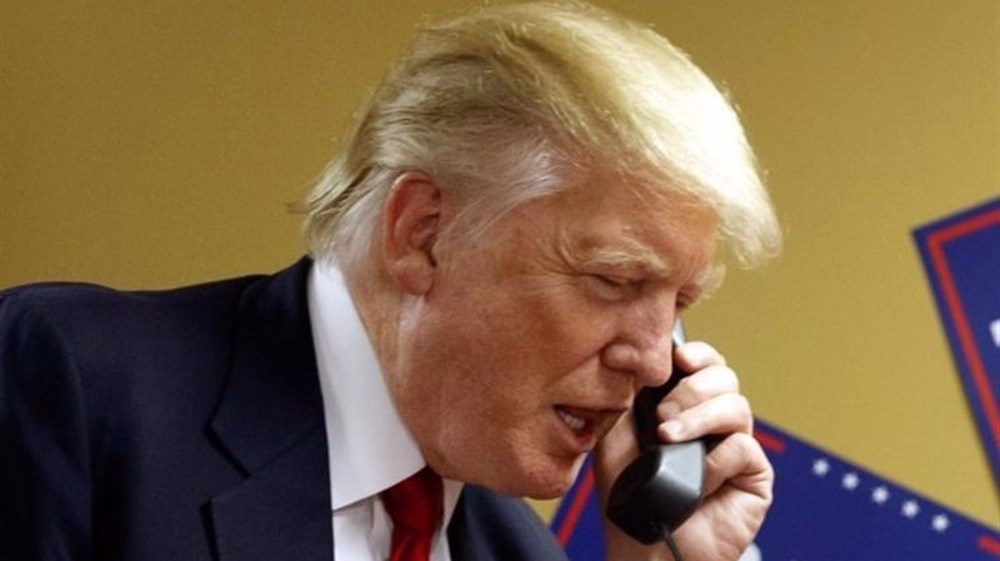
US President Donald Trump has told several Arab and Muslim leaders that he expects them to establish formal relations with Israel in exchange for a ceasefire deal with Iran to end the war, according to American officials.
Axios, citing the officials, said that Trump made the demand during a phone conversation on Saturday with leaders from Saudi Arabia, the United Arab Emirates, Qatar, Pakistan, Turkey, Egypt, Jordan, and Bahrain.
According to the same sources, all eight leaders expressed support for the potential agreement with Tehran during the call.
"We are with you on this deal," one official was quoted as telling Trump, according to the report.
Another official familiar with the conversation said the US president indicated that he would next speak with Israeli Prime Minister Benjamin Netanyahu and hoped to bring him into a joint call with the same group of Arab and Muslim leaders in the future.
Trump also pushed those countries that have not yet joined the so-called Abraham Accords – a series of 2020 US-brokered normalization deals with Israel signed under the Trump administration – to do so and establish formal ties with the Tel Aviv regime, the officials added.
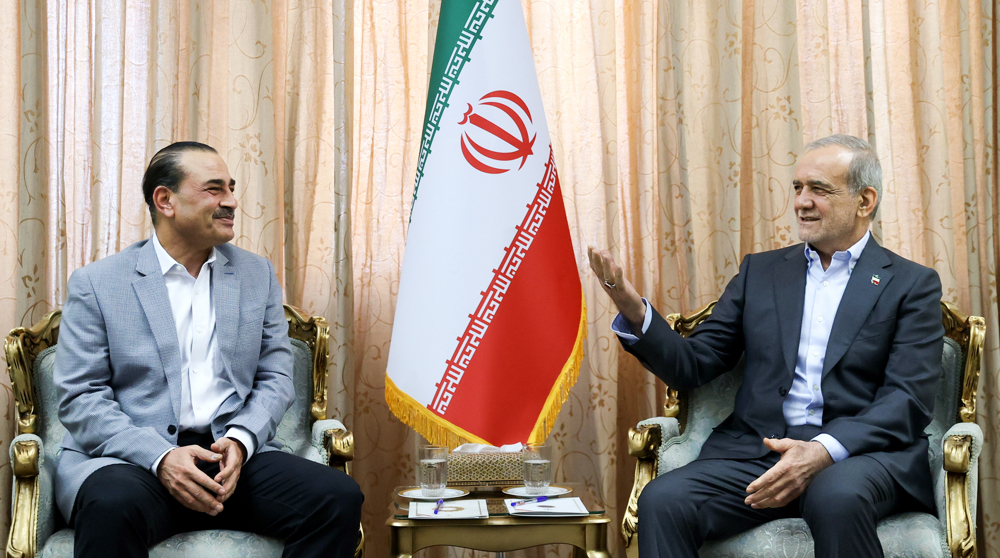
Saudi Arabia, Qatar, and Pakistan currently maintain no official diplomatic relations with Israel.
One of the officials told Axios that there was "silence on the line" after Trump's demand, prompting the president to joke and ask "if they are still there."
The development comes as indirect talks between Tehran and Washington, mediated by Pakistan and facilitated by Qatar, continue based on the Islamic Republic's 14-point proposal to reach a memorandum aimed at putting an end to the US-Israeli war on Iran.
Speaking in a televised interview on Saturday, Iranian Foreign Ministry spokesman Esmaeil Baghaei said Iran and the United States have edged closer to finalizing the 14-point memorandum to end the imposed war, halt American maritime aggression, and secure the release of Iran’s blocked assets.
He emphasized that Iran's focus at this stage remains exclusively on ending the US-Israel war based on its proposal, which has been shuttled back and forth several times.
The criminal US-Israeli aggression against Iran began on February 28 with airstrikes that assassinated senior Iranian officials and commanders, including Leader of the Islamic Revolution Ayatollah Seyyed Ali Khamenei.
Iranian Armed Forces responded by launching daily missile and drone operations targeting locations in the Israeli-occupied territories as well as US military bases and assets across the region.
Furthermore, Iran retaliated against the strikes by closing the Strait of Hormuz, which resulted in a significant increase in oil prices and its by-products.
On April 8, forty days into the war, a Pakistan-brokered temporary ceasefire between Iran and the US took effect.
Negotiations ensued in the Pakistani capital, Islamabad, but stopped short of an agreement amid Washington’s maximalist demands and insistence on unreasonable positions.
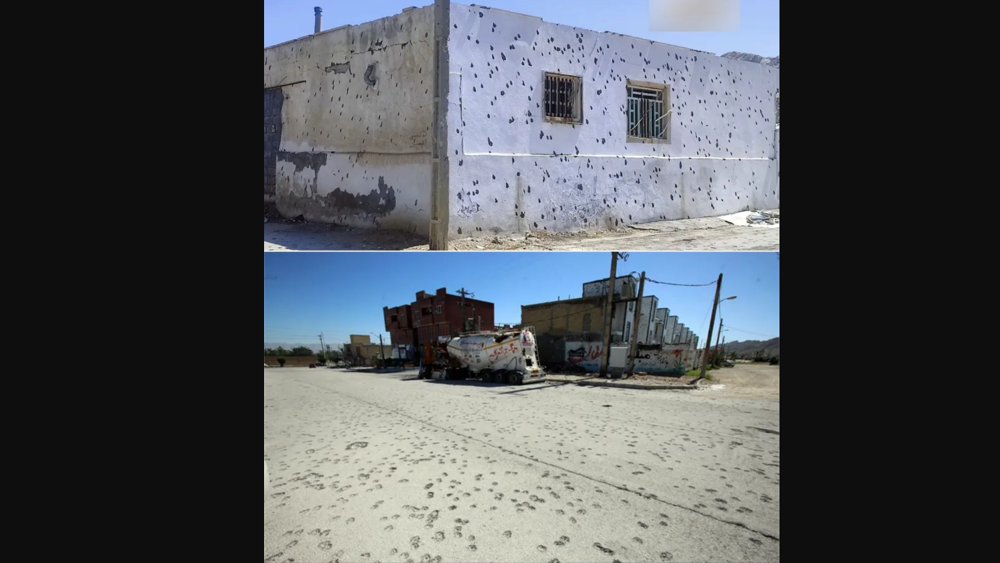
Iran: US cannot evade responsibility for war crimes by leaving UN rights council
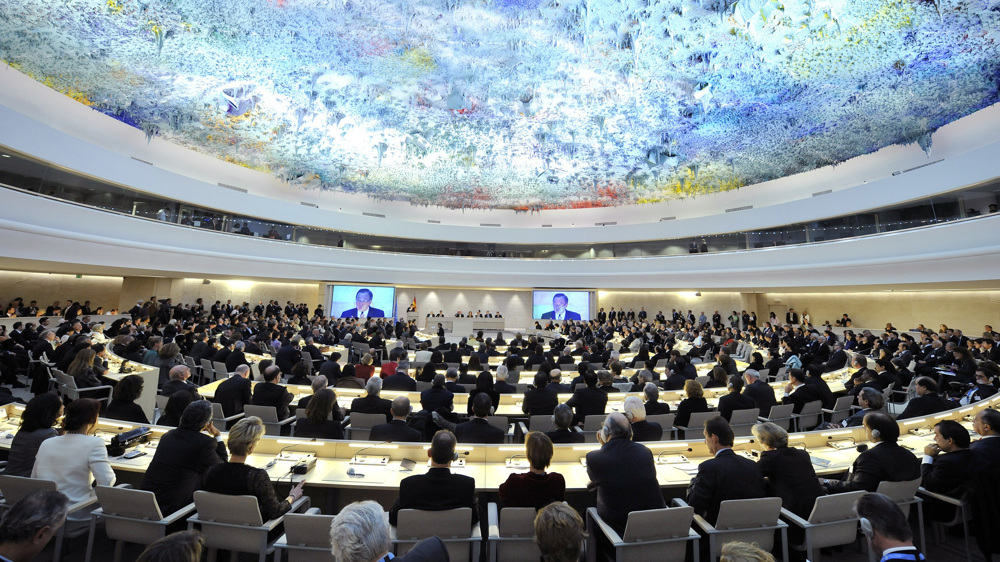
US leaves UN Human Rights Council after probe finds possible American war crimes in Iran
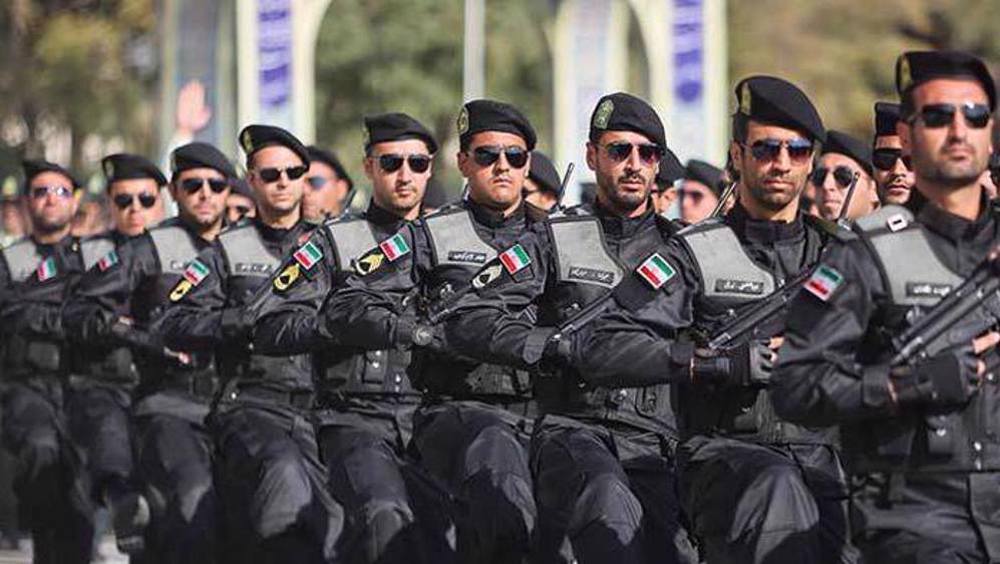
IRGC intelligence forces eliminate two terrorists in southeast Iran



Israel seeks US 'compensation' over Saudi F-35 deal: Report
Saudi Aramco halts European crude supplies amid disruption to key oil route
VIDEO | Venezuelan protesters demand transparency over oil deal with US
Appeal filed for Press TV's Naqaa Hamed as Israel prolongs her unlawful detention
15 nations reject attacks, threats against safeguarded nuclear facilities
VIDEO | Tabriz hosts 26th Iranian annual nuclear medicine congress
Two years after Israel’s pager terrorism in Lebanon: Scars, loss, and the will to carry on
Three students killed, eight wounded in Philippines school shooting


 PressTV NEWSLETTER
now
PressTV NEWSLETTER
now
 This makes it easy to access the Press TV website
