Trump leaves Beijing empty-handed as defeat to Iran shifts power balance, reshapes world order
By Press TV Strategic Analysis Desk
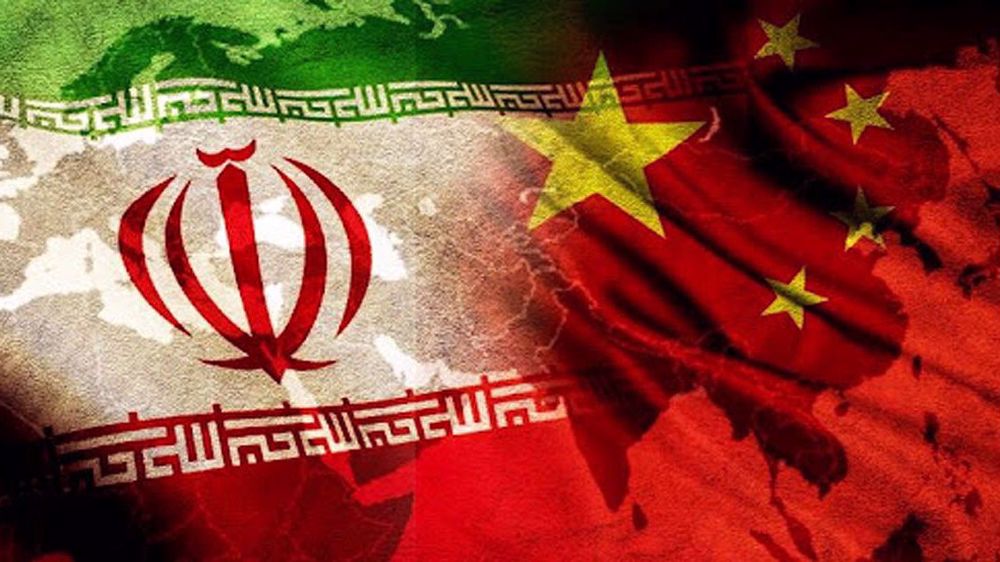
The recent war imposed on Iran and its aftermath have fundamentally altered the balance of power in the world, and rewritten global rules of engagement, with Tehran emerging as the decisive force shaping great-power competition.
What was initially projected as yet another episode of "maximum pressure" against Iran has instead become a revelatory moment of strategic transformation – one in which the Iranian nation demonstrated its extraordinary resilience, adaptability, and rising geopolitical weight.
On the other hand, Washington's failure to impose its preferred outcomes has exposed the deepening limits of American power in an increasingly multipolar world.
These unfolding developments have reinforced Tehran’s position as an indispensable actor in regional and global affairs, with consequences affecting energy markets, maritime security, superpower competition, and the future structure of international order itself.
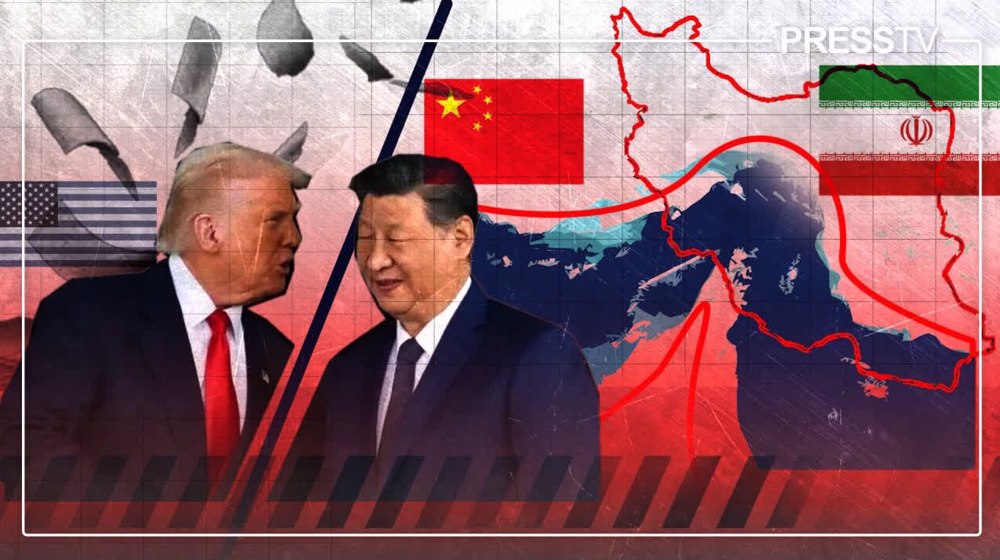
US President Donald Trump’s recent high-stakes trip to China became one of the clearest illustrations of this emerging geopolitical reality.
The visit was seen as an opportunity for Washington to regain its strategic leverage by persuading China to pressure Iran economically and strategically. Instead, the summit exposed the declining effectiveness of American leverage and highlighted the reality that Iran is no longer a peripheral issue that can simply be negotiated over by major powers.
Exiting Beijing empty-handed
Trump left Beijing without any meaningful discussions on Iran, without a breakthrough on Taiwan, and without the kind of strategic victories Washington had hoped to showcase.
China demonstrated neither willingness nor urgency to accommodate American demands.
The significance of this failure extends far beyond diplomacy. It reflects a deeper transformation in global politics: the emergence of a more resilient Iran operating in a world where American dominance no longer guarantees compliance from allies or adversaries.
One of the most telling moments came when Trump himself acknowledged that his Chinese counterpart, Xi Jinping, emphasized the continuation of purchases of Iranian oil. That declaration alone represented a diplomatic setback for Washington.
It signaled that Beijing considers its relationship with Iran a strategic matter tied to long-term energy security and geopolitical balance – not a negotiable issue to be traded away under American pressure and concessions.
Before the Beijing summit, some analysts had speculated that China might use its economic influence over Tehran to push Iran toward concessions or compromise. Washington hoped Beijing would cooperate, especially given China’s dependence on Iranian energy supplies and its role as the largest buyer of Iranian oil. But, China clearly and categorically refused to move in that direction.
Equally significant was the Chinese government’s refusal to publicly engage with American narratives about Iran during the visit. Beijing deliberately avoided endorsing Washington’s position while simultaneously reiterating its opposition to policies aimed at escalating confrontation with Tehran. Soon after Trump’s return, Chinese officials reaffirmed Iran’s right to peaceful nuclear energy and renewed criticism of coercive American policies.
Indeed, the optics of the summit strongly favored Beijing. Chinese officials projected calm confidence and strategic patience, while the American side appeared eager for deliverables but unable to secure them. International observers described the visit as rich in symbolism but poor in substantive outcomes on the core issues dividing the two global rivals.
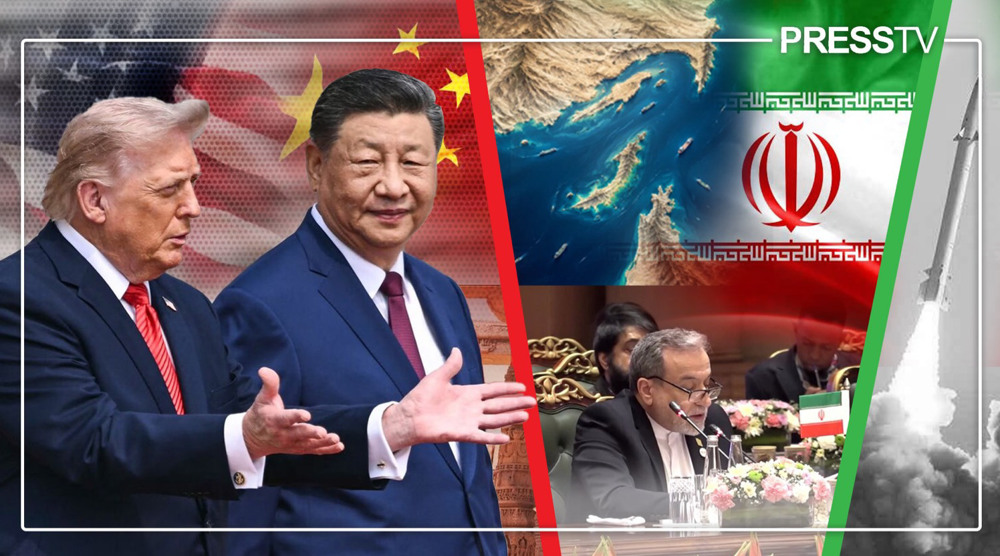
US defeat to Iran and Trump's China visit
This outcome matters because it reveals a critical geopolitical reality: Iran’s position after the war has become strong enough that even China – despite maintaining broad relations with the US – does not view Tehran as expendable. Iran is now deeply embedded within the strategic calculations of global politics, energy security, and the multipolar world order.
What is perhaps most remarkable is that Iran’s growing leverage has not primarily depended on external powers. Tehran’s central strategic lesson from the recent imposed war is that national resilience and internal strength remain the decisive foundations of power and leverage.
The recent war demonstrated that Tehran could withstand sustained military, economic, and political pressure without collapsing internally or abandoning its strategic posture. This may ultimately prove more important than any battlefield outcome. In international politics, resilience itself generates power. States that survive prolonged pressure often emerge stronger because they reshape the expectations of allies, rivals, and neutral actors alike.
When the US-Israeli war machine launched the aggression, Iran received no decisive military intervention from major powers and allies such as China or Russia. Tehran faced it on its own. Yet instead of breaking under pressure, it relied on internal cohesion, military endurance, and domestic mobilization to retaliate with force and deny Washington a victory it needed.
That outcome transformed perceptions across the region and globe as well.
For years, American strategy toward Iran depended heavily on the assumption that escalating pressure would eventually force Tehran into submission, fragmentation, or strategic retreat. The recent full-scale war shattered that assumption completely.
Iran demonstrated not only its capacity to endure but also its ability to impose heavy costs on aggressors. This is precisely why the balance of leverage has shifted.
Before and after the war against Iran
The United States entered the war believing Iran was vulnerable. It now faces an Iran that is stronger, more experienced and strategically adaptable. Washington also faces the reality that military escalation failed to produce the rapid political collapse many hawks anticipated.
At the same time, the war exposed the limits of American coercive power. Despite enormous military capabilities, Washington struggled to achieve clear strategic objectives. Instead, the war of aggression became a prolonged war of attrition – one that increasingly works against the United States politically, economically, and diplomatically.
Trump’s contradictory posture and rhetoric reflect this dilemma clearly. On one hand, he continues issuing bellicose threats about renewed military aggression against Iran. On the other hand, reports indicate ongoing indirect communications and efforts to explore diplomatic off-ramps. This dual-track behavior signals uncertainty rather than confidence.
Strategic indecision is dangerous for great powers because credibility depends not only on strength but also on clarity. The more Washington oscillates between escalation and negotiation, the more it projects confusion to both allies and adversaries.
This confusion was also visible during Trump’s Beijing visit. On Taiwan – the most sensitive issue in US-China relations – Trump avoided taking a definitive position. Discussions remained vague, and Washington failed to secure concessions while avoiding direct confrontation with Beijing.
The symbolism was powerful. The United States arrived in Beijing seeking leverage but instead appeared constrained by its own geopolitical overstretch. China understood that Washington was simultaneously dealing with the war and its impact in West Asia, rising economic pressures at home, and broader strategic competition abroad.
Iran’s resistance, therefore, had consequences extending well beyond the region. By denying Washington a victory, Tehran indirectly weakened America’s negotiating position globally.
Perhaps nowhere is Iran’s growing leverage more visible than in the Strait of Hormuz.
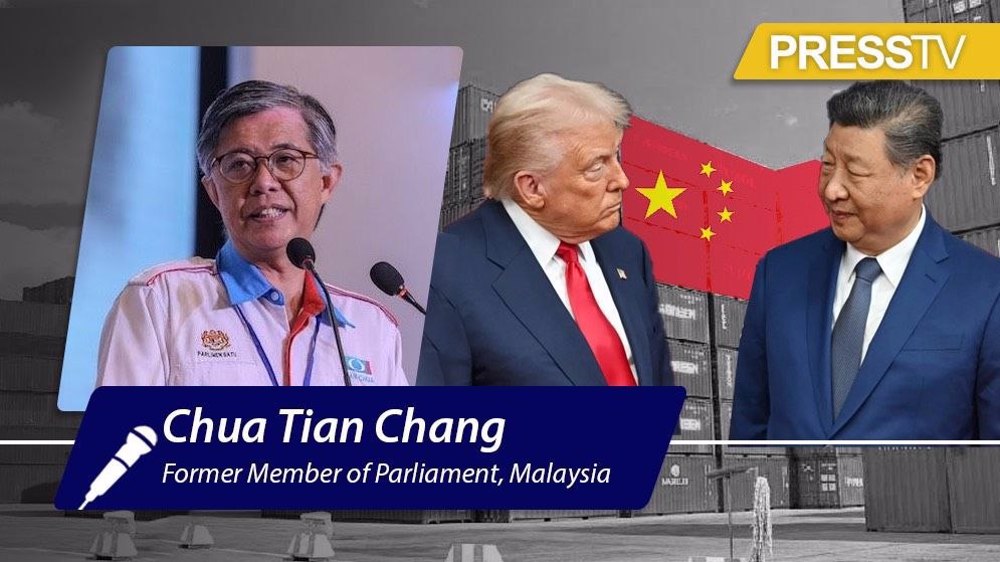
Iran's approach to Strait of Hormuz
For decades, the Strait has represented one of the world’s most critical strategic chokepoints. Yet the ongoing crisis demonstrates that Iran’s approach to Hormuz is not simply based on threats of closure. The current situation reveals a more sophisticated and consequential reality. Iran is developing a model of intelligent, calibrated control rather than simplistic disruption.
The decision to allow large numbers of Chinese vessels and oil tankers to transit safely through the Strait carried enormous geopolitical significance. This was about demonstrating sovereign authority. Tehran showed that it can distinguish between adversaries and partners, between escalation and restraint, and between tactical confrontation and strategic calculation.
This approach strengthens Iran’s bargaining position significantly.
Instead of appearing reckless, Tehran is presenting itself as a power capable of managing one of the world’s most sensitive energy corridors according to political and strategic calculations. This increases Iran’s value to major global economies while simultaneously complicating American attempts to isolate it. The crisis has exposed a profound American strategic dilemma.
The economic consequences have already become visible. Instability linked to the closure of the Strait of Hormuz to hostile vessels and the broader war against Iran has intensified market anxieties, raised oil prices, and deepened global economic uncertainty.
In other words, it has revealed that Iran possesses the ability to generate systemic economic pressure far beyond the region itself, increasing its deterrent capacity.
Strategic confusion can be more dangerous than strategic failure because it undermines credibility. Allies begin questioning commitments, adversaries test boundaries, and neutral actors seek alternatives. The perception of American indecision is now visible not only in relation to Iran but also in broader confrontations involving China and other rising powers.
The Taiwan issue during Trump’s China visit illustrated this perfectly. Washington found itself unable to firmly escalate or clearly compromise. Repeating old positions risked exposing diplomatic failure, while making concessions would have signaled weakness toward Beijing. The result was ambiguity, which in great-power competition often reflects declining confidence.
Iran's 'unused options' and US calculations
At the same time, uncertainty regarding Iran’s “unused options” has further complicated American calculations. Analysts and media discussions increasingly focus on the possibility that Iran could expand pressure beyond traditional military channels if the full-scale war resumes.
Among the concerns raised are vulnerabilities related to undersea fiber-optic infrastructure, additional maritime chokepoints, and new asymmetric naval warfare capabilities. Whether or not Iran intends to employ such options is almost secondary. Their mere existence increases strategic ambiguity, and ambiguity itself functions as a powerful deterrent.
Washington now faces not just known Iranian capabilities but also uncertain escalation scenarios whose economic and geopolitical consequences could be enormous. This uncertainty weakens America’s ability to make clear strategic decisions and raises the political cost of renewed confrontation against Iran.
The broader political consequences inside the United States are equally significant.
The recent war against Iran exposed the continuity of bipartisan American policy toward Iran. While Democrats and Republicans often differ rhetorically, the underlying strategic objective, limiting Iran’s regional autonomy through pressure and coercion, has remained consistent.
Discussions surrounding the JCPOA reinforced Iranian suspicions that even diplomatic engagement was ultimately viewed in Washington as part of a broader strategy of containment and eventual confrontation. For many in Tehran, this validated long-standing skepticism toward American intentions regardless of which party occupies the White House.
Ironically, this bipartisan continuity may have strengthened Iran internally rather than weakening it. The perception that external pressure transcends American domestic politics reinforces narratives of resistance and self-reliance inside Iran.
Globally, this dynamic is also resonating beyond the West Asian region. Across large parts of the Global South, Iran is increasingly viewed not simply as a sanctioned state but as a country resisting Western coercive power and sanctioning the aggressors. Iran’s ability to withstand sustained pressure has generated significant respect among states opposed to US hegemony.
Turning point in redistribution of geopolitical leverage
This explains why the recent war may ultimately be remembered more as a turning point in the redistribution of geopolitical power and leverage.
Iran emerged from it strategically elevated. The US military industrial complex emerged frustrated. And Trump’s trip to Beijing reinforced this contrast dramatically: Washington arrived seeking cooperation, concessions, and leverage over Iran, yet departed with symbolic gestures and vague statements while China maintained its strategic ties with Tehran and refused to fundamentally alter its position.
The deeper lesson is now becoming increasingly clear. In a changing international system, endurance itself has become a form of power.
Iran has demonstrated that it can survive the so-called “maximum pressure,” shape regional calculations, influence global markets, and complicate superpower diplomacy.
That alone marks a major transformation in the balance of power after the recent war.
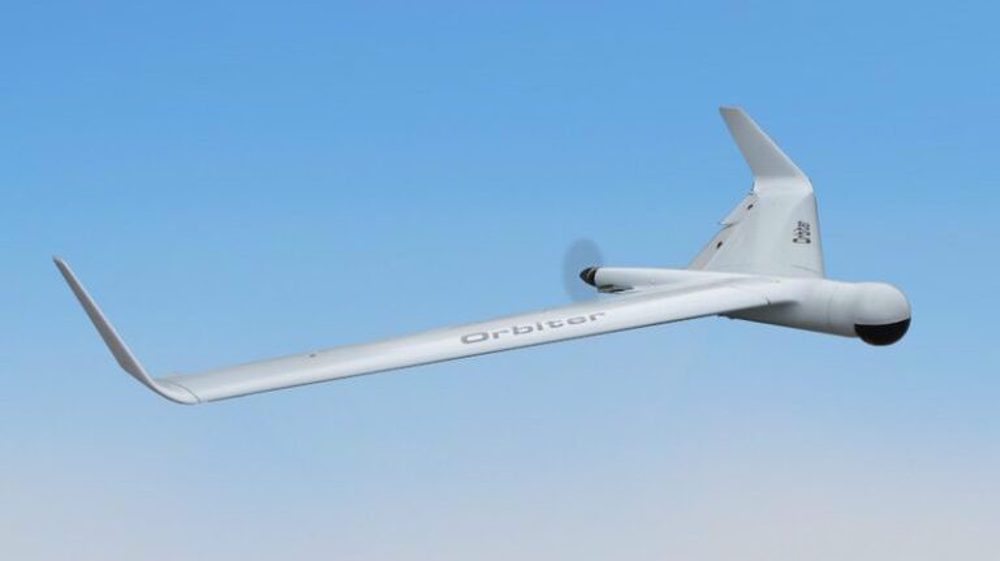
Iran Army downs US Orbiter reconnaissance drone over Strait of Hormuz
Iran dismantles terrorist cells in three provinces
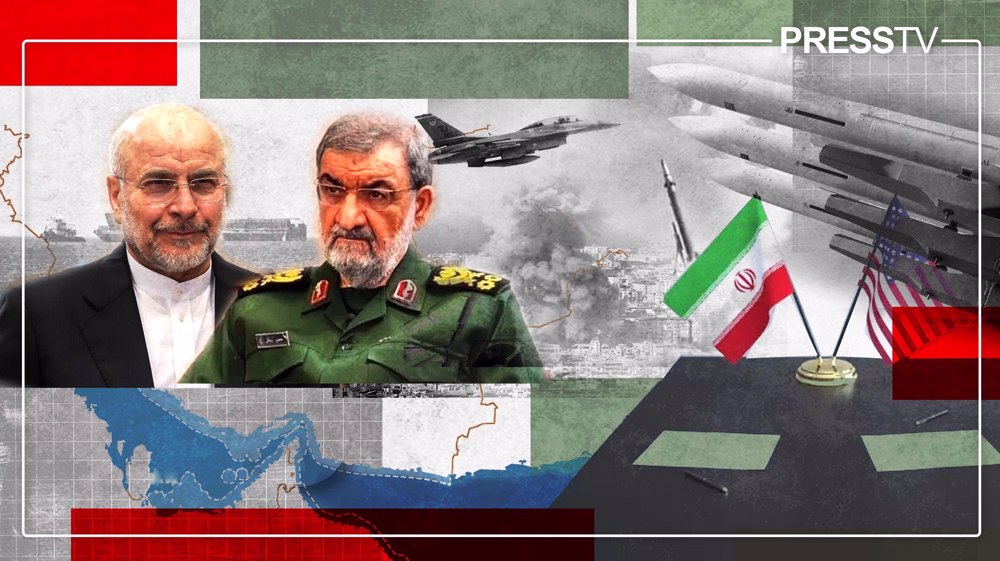
How Iran turned US military and economic aggression into strategic leverage to dictate terms



US aggression, economic warfare amount to crimes against humanity: Iran's UN envoy
Protests erupt in US as ICE agent shoots Venezuelan driver
US pressure fuels cooperation among Muslim states: Pezeshkian
Major TV networks suspend White House pool coverage after Trump ban
US visa ban on Palestinian UN delegation violates international agreements: Hamas
VIDEO | Press TV's news headlines
Iran calls on France to respect law after suspending French cultural institute in Tehran
Israel lobby no longer shy about its grip on US policy on Iran: Araghchi


 PressTV NEWSLETTER
now
PressTV NEWSLETTER
now
 This makes it easy to access the Press TV website
