Iran slams neighbors’ betrayal during US-Israeli aggression
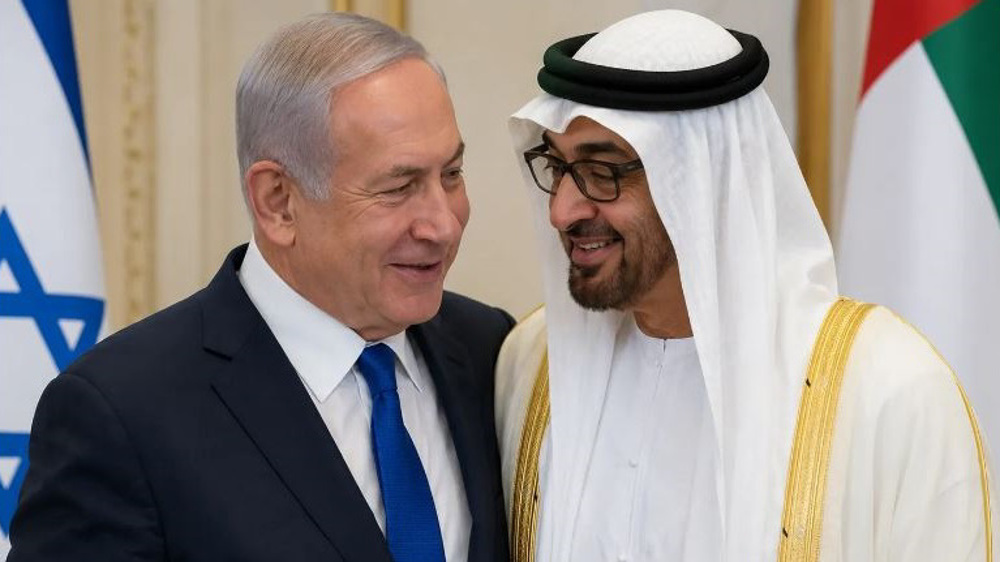
Iran has censured certain neighboring countries for their betrayal during the recent illegal US-Israeli war of aggression against the Islamic Republic.
In an Arabic-language X post on Friday, Iranian Foreign Ministry spokesman Esmaeil Baghaei said, “He who betrays in secret will be exposed in public.”
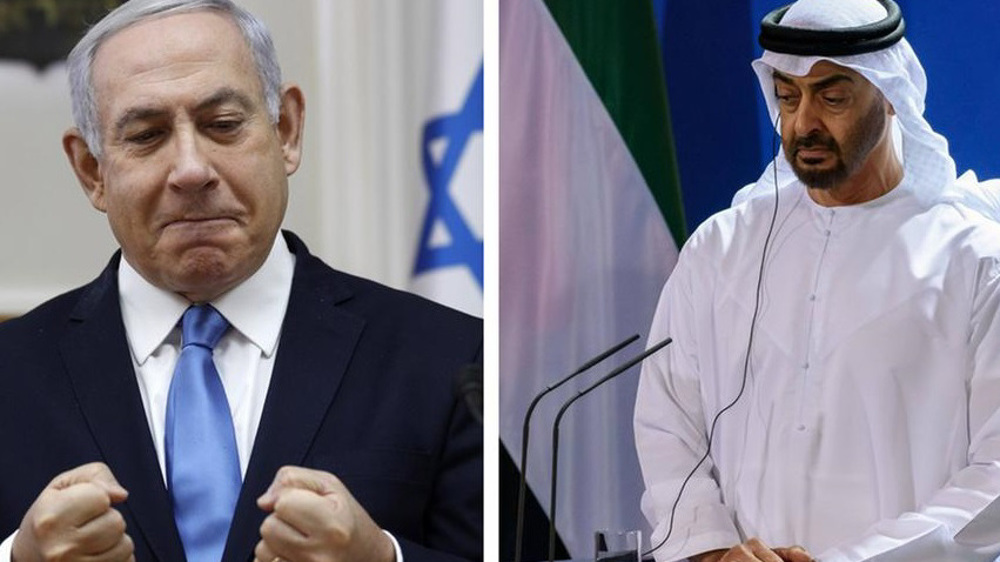
The remarks came two days after Israeli prime minister Benjamin Netanyahu said he "secretly visited" the United Arab Emirates and met with President Sheikh Mohammed bin Zayed Al Nahyan in a gathering that resulted in a “historic breakthrough” in Tel Aviv-Abu Dhabi relations.
An informed source told Reuters that the meeting, which lasted several hours, took place on March 26 in the city of Al Ain in the Emirate of Dubai, near the Omani border.
The UAE Foreign Ministry, however, denied Netanyahu’s trip to the Persian Gulf Arab country.
Israel's TV Channel 12 reported that Abu Dhabi fears escalation of tensions with Tehran if its behind-the-scene coordination with the Israeli regime becomes public.
Abetting Israel against Iran 'unforgivable,' FM warns after Netanyahu reveals wartime UAE visithttps://t.co/HaSwQWWc40
— Press TV 🔻 (@PressTV) May 14, 2026
Emirati officials are concerned that the revelation of their intelligence and security collusion with Israel will reinforce the perception that Abu Dhabi is directly involved in the military assault against Iran, the report added.
Recently, senior US officials confirmed that the Israeli regime sent an Iron Dome battery and personnel to operate it in the UAE during the war on Iran.
Additionally, The Wall Street Journal said that David Barnea, head of Israel’s Mossad spy agency, visited the Emirates at least twice during the war to coordinate related activities.
The American newspaper further reported that the Emirates conducted a series of "covert" attacks against Iran during the aggression.
The Hebrew-language Channel Kan reported that Eyal Zamir, chief of staff of the Israeli army, travelled to the UAE during the war against Iran and met with senior Emirati officials, including President Sheikh Mohammed bin Zayed Al Nahyan. Other senior Israeli military officials accompanied Zamir on the trip, the report said.
The unprovoked US-Israeli aggression on Iran began on February 28 with airstrikes that assassinated senior Iranian officials and commanders.
The aggressors made extensive use of American military bases, personnel, and equipment stationed in the Persian Gulf coastal states, including the UAE, Qatar, Bahrain, Kuwait, and Saudi Arabia, as well as Jordan, to carry out attacks against Iran.
According to a report by the WSJ, the UAE acted as an active combatant in the US–Israeli aggression against Iran, launching strikes on Iranian territory, including a refinery on Iran's Lavan Island in the Persian Gulf, causing major damage and disruption.https://t.co/mLGcUTS2ei pic.twitter.com/yKvXUTFCfz
— Press TV 🔻 (@PressTV) May 12, 2026
The Iranian armed forces unleashed 100 waves of successful retaliatory strikes against sensitive and strategic American and Israeli targets throughout the region.
On April 8, forty days into the war, an Islamabad-brokered temporary ceasefire went into effect. However, the first round of Tehran-Washington negotiations failed to reach an agreement.
The US unilaterally extended the truce after its expiry, but imposed an inhumane “naval blockade” of Iran.
Tehran has refrained from committing to a second round of talks, with authorities citing Washington’s excessive demands and piracy against Iranian ships as two main impediments to concluding the war.
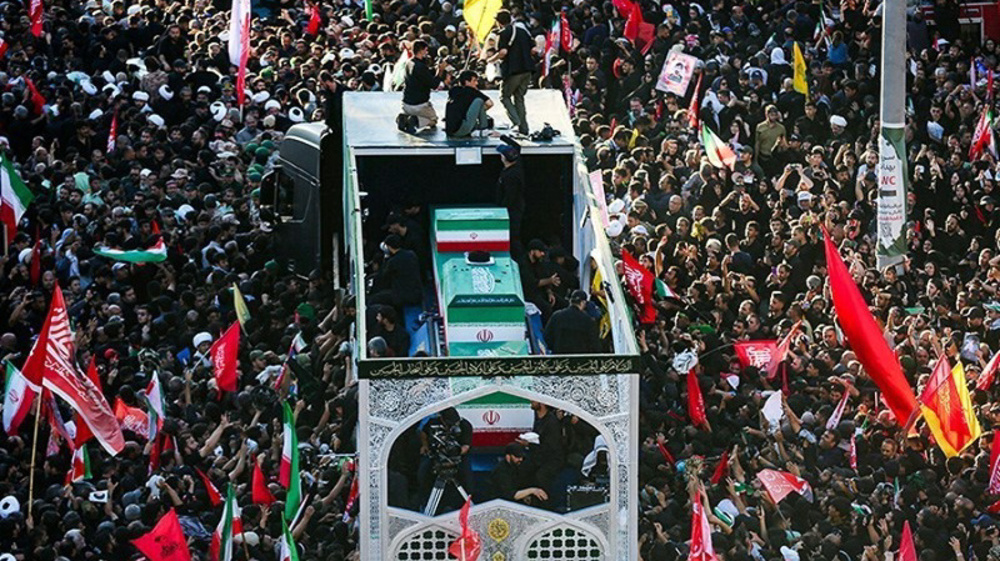
Tehran, Qom, and Mashhad to host mourning ceremonies 40 days after martyred Leader’s burial
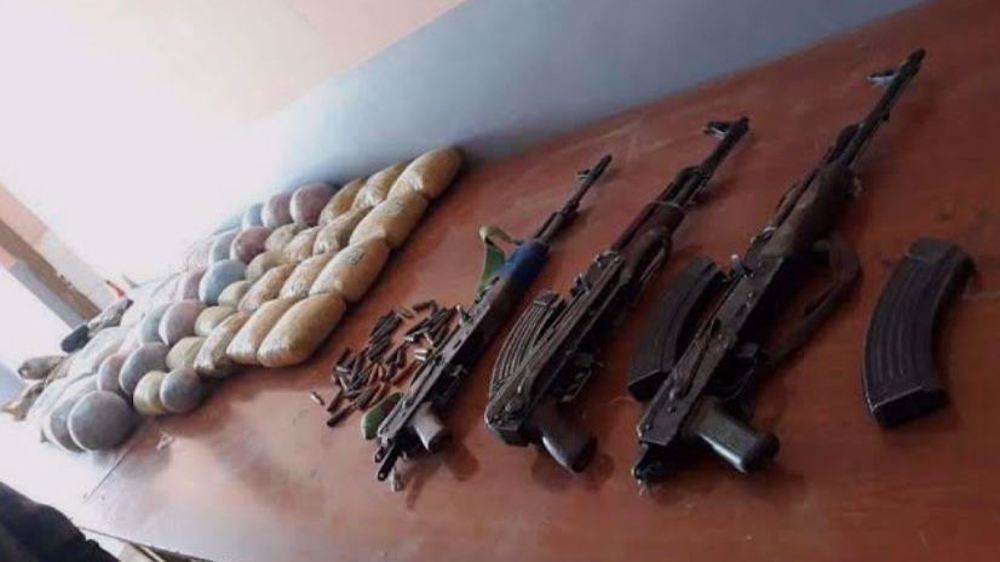
Iran border guards seize 49 firearms, 153kg of drugs in anti-smuggling operations
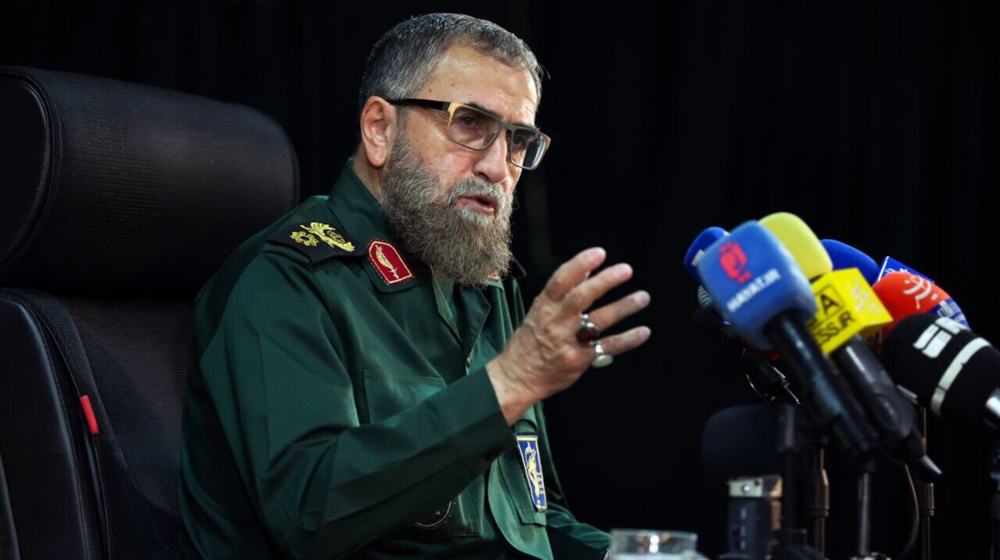
Qatar must allow Iran fact-finding team to launch probe into missing pilots’ fate: Commander



Hamas calls on mediators to compel Israel to end ceasefire violations, accept peace roadmap
‘Enemy should expect strategic surprises’: IRGC commander warns of shift to offensive posture
Iran spokesman slams Canada's participation in war on Iran despite Trump's hostility
VIDEO | Gaza’s diagnostic crisis: Damaged medical equipment dismantled to keep hospitals running
Iran will defeat enemy in 'economic war' as it did on battlefield: VP Aref
USS Lincoln fiasco shows Trump administration's 'true lack of leadership': Senator
Pope Leo calls for end to violence against Palestinians in West Bank
'Delusional, incompetent’: Hegseth rebuked for trivializing US soldiers’ ordeal aboard USS Lincon


 PressTV NEWSLETTER
now
PressTV NEWSLETTER
now
 This makes it easy to access the Press TV website
