UN votes to denounce slave trade as ‘gravest crime against humanity’, calls for reparatory justice
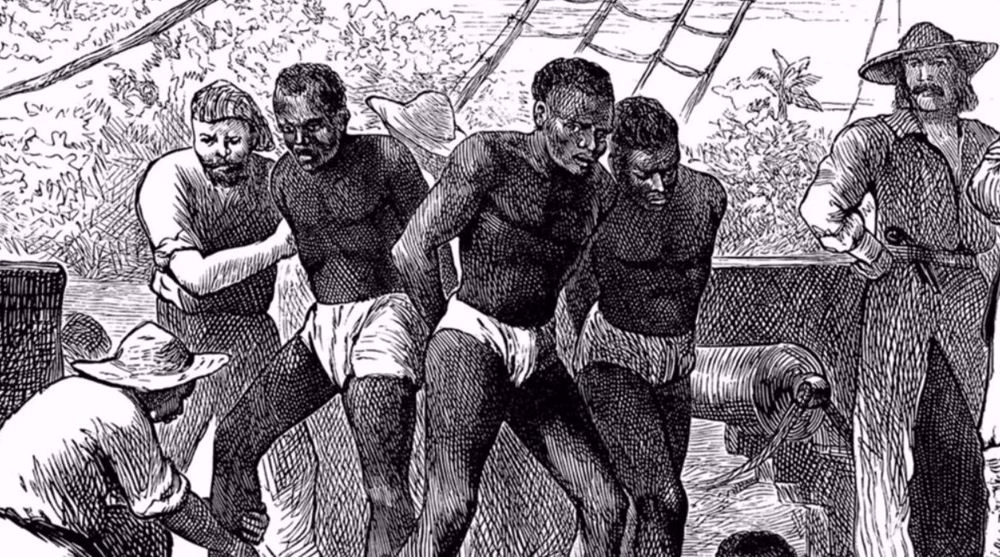
The United Nations has voted to condemn trafficking of enslaved Africans as “the gravest crime against humanity” in history, calling for reparatory justice while urging the West to return the looted heritage.
On Wednesday, the United Nations General Assembly adopted a non-binding resolution describing the trafficking of enslaved Africans “the gravest crime against humanity”, calling for reparations as “a concrete step towards remedying historical wrongs.”
Of the 193-member world body, 123 members voted in favor, 52 states, including the United Kingdom and members of the European Union, were abstentions, while the United States, Israel and Argentina voted against the landmark resolution, which had been proposed by Ghana’s President John Dramani Mahama.
“Let it be recorded that when history beckoned, we did what was right for the memory of millions who suffered the indignity of slavery,” Mahama stressed after the passing of the resolution, which was backed by the African Union (AU) and the Caribbean Community (CARICOM).
Ghana’s president, whose country has been at the forefront of an effort across Africa and the Caribbean for reparatory justice, also lamented the erasure of Black history and censorship of teaching the “truth of slavery, segregation and racism” in American schools.
Western terrorism on display
— Press TV 🔻 (@PressTV) March 26, 2026
The UN votes to recognise enslavement of Africans as 'gravest crime against humanity'.
The resolution was adopted with 123 votes in favour and three against - US, Israel and Argentina.
52 countries abstained, including the UK and EU states. pic.twitter.com/AENj9ZxqMx
Deputy US Ambassador Dan Negrea said before the vote that Washington “does not recognize a legal right to reparations for historical wrongs that were not illegal under international law at the time they occurred.”
This is while member states called for reparatory justice as the resolution aims for “political recognition at the highest level” for one of the darkest eras in history.
Earlier, British MP Bell Ribeiro-Addy presented a petition to the House of Commons, calling for a state apology by the UK for its key role in slavery and colonialism of Africans.
“So many of the intersecting global challenges we now face are rooted in the legacies of enslavement and empire: from geopolitical instability to racism, inequality, underdevelopment and climate breakdown,” the petition read. “To truly confront these issues, we must acknowledge where they come from.”
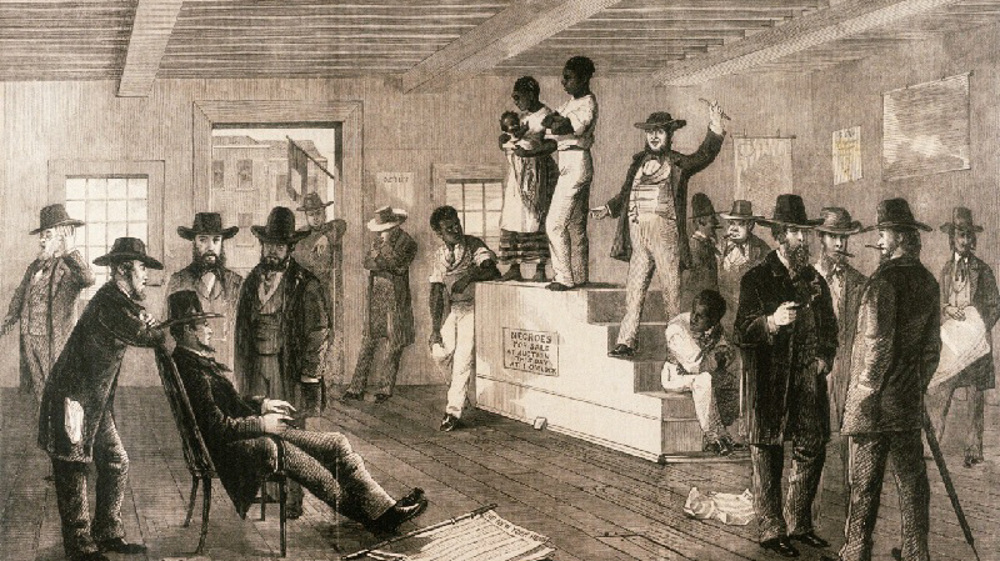
For at least four centuries, seven European nations, including the UK enslaved and trafficked over 15 million Africans across the Atlantic. The scale of the chattel slavery was such that 18th and 19th-century abolitionists coined the term “crime against humanity” to describe what they did to Africans.
Historians believe that wealth from enslavement largely helped the mass industrialization in the West.
The resolution calls on all UN member states to engage in talks “on reparatory justice, including a full and formal apology, measures of restitution, compensation, rehabilitation, satisfaction, guarantees of non-repetition and changes to laws, programs and services to address racism and systemic discrimination.”
It further urges voluntary contributions to promote education on the transatlantic slave trade, calling on the AU, the CARICOM and the Organization of American States to collaborate with UN bodies and other nations “on reparatory justice and reconciliation.”
The UN first denounced slavery as a crime in a 2001 conference against racism, xenophobia and related intolerance in Durban, South Africa.
Thirty-one ex-US lawmakers, staffers joined military-industrial complex in past 10 years: Report
Pro-Israeli US lawmaker asks AIPAC to stay away from campaign: Report
Afghan-American lawmaker Wahab beats Israel lobby-funded opponent in California election



War on Iran exposes limits of superpowers, shift to multipolar world: UN chief
US popular support for military aggression against Iran at lowest level: Poll
VIDEO | Analyst: US war on Iran faces growing opposition in Europe
The illusion of ‘maximum pressure’: New Iran sanctions recycle failed strategy with same old results
‘Balance of power has shifted’: Yemen warns of decisive response to any adventurism
Pakistan reports ‘significant progress’ in Tehran talks to salvage Islamabad MoU
US senators demand hearing over troop strain in war against Iran
VIDEO | Iran court orders $37 million in US oil funds for butterfly patients



 PressTV NEWSLETTER
now
PressTV NEWSLETTER
now
 This makes it easy to access the Press TV website
