Trump paused ‘war crime’ in Iran to send ‘panicky message to markets’: Senator
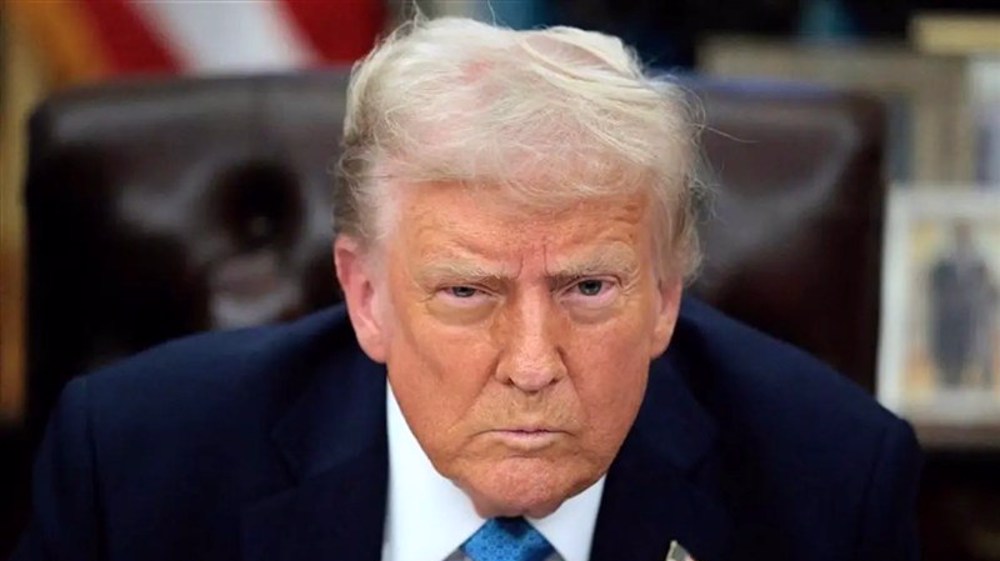
US Senator Chris Murphy has downplayed recent remarks by Donald Trump about postponing strikes on Iran’s energy infrastructure, suggesting that such claims are aimed at managing markets amid rising oil prices.
“Trump isn't announcing a pause on strikes. He's saying he's postponing a possible war crime - strikes on Iran's civilian energy infrastructure,” Murphy said in a post on social media platform X on Monday.
He stressed, “This isn't a message to Iran. It's a panicky message to the markets: ‘No war escalation until markets close on Friday’.”
Earlier in the day, Trump claimed in a post on Truth Social that the United States and Iran "have had, over the last two days, very good and productive conversations regarding a complete and total resolution of our hostilities in the Middle East."
"I have instructed the Department of War to postpone any and all military strikes against Iranian power plants and energy infrastructure for a five-day period, subject to the success of the ongoing meetings and discussions," he said, claiming that conversations with Iran will continue throughout the week.
His remarks came as the deadline he gave to Iran was nearing its end.
Late on Saturday, Trump threatened to “obliterate” Iran’s power plants if Tehran didn’t "fully open" the Strait of Hormuz to all shipping within 48 hours.
In response, Iran threatened to attack Israel's power plants and those supplying US bases across the Persian Gulf region if the US targets Iran's power network.
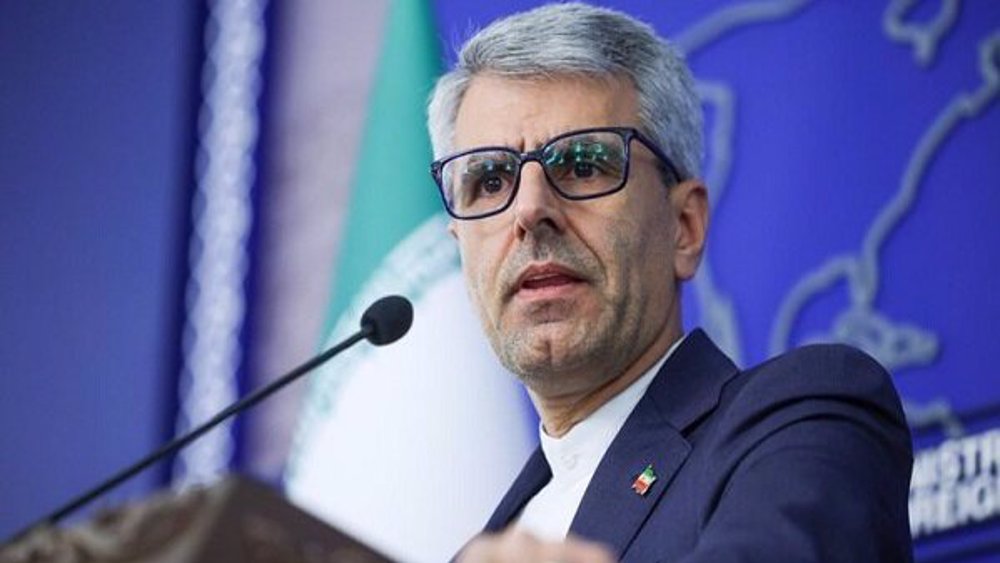
Commenting on Trump’s Monday claims, Iran stressed that there have been no communications with Washington.
Iranian academic Sayyed Mohammad Marandi also said that Trump’s claims aimed to reduce soaring oil prices. “Every week, when markets open, Trump makes these kinds of statements to drive down oil prices. Even his five-day deadline aligns with the closure of the energy market.”
He emphasized that “In reality, there are no negotiations underway, nor does Trump have the capability to reopen the Strait of Hormuz. Iran's firm threat has once again forced Trump to back down.”
The US and Israel started a fresh round of aerial aggression on Iran on February 28, some eight months after they carried out unprovoked attacks on the country.
Iran began to swiftly retaliate against the strikes by launching barrage of missiles and drone attacks on the Israeli-occupied territories as well as on US bases and interests in regional countries.
Iran has declared that the strategic waterway of the Hormuz Strait is open to those who don’t stand on the side of the enemies.

British trade unions urge PM to stop UK support for illegal US-Israeli war on Iran
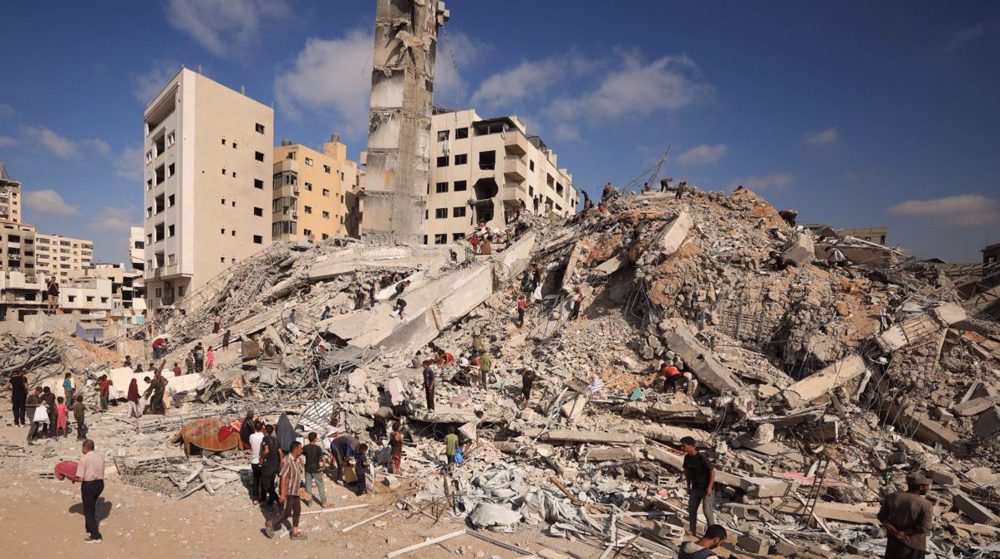
Scottish educators defy pro-Israel pressure, vow to teach Gaza genocide
UK legislators call for full arms embargo, ban on settlement trade with Israel



VIDEO | Gaza’s dialysis lifeline under strain as kidney patients struggle for care
VIDEO | Israeli expansionism in West Bank
Iran’s ballistic missile, drone production levels exceed deployment rate: IRGC chief cmdr.’s advisor
VIDEO | Israeli forces blow up family home of slain Palestinian in West Bank
Saudi nationals killed, injured as Yemen strikes Riyadh-backed mercenaries: Military spox
US-Israeli soldier who took part in Gaza genocide commits suicide in New York
Deadly clash aboard US carrier Abraham Lincoln leaves 7 dead, several injured: Report
Strait of Hormuz will reopen only when US accepts Iran’s conditions: SNSC chief


 PressTV NEWSLETTER
now
PressTV NEWSLETTER
now
 This makes it easy to access the Press TV website
