Persian Gulf states review overseas investments as war pressure mounts after US-Israeli aggression on Iran

Persian Gulf states are reportedly reviewing overseas investments and financial commitments as the regional fallout from the US-Israeli aggression on Iran begins to strain budgets and long-standing economic assumptions.
A Gulf official told the Financial Times that the war engulfing the region could affect “anything from investment pledges to foreign states or companies, sports sponsorships, contracts with businesses and investors, or sales of holdings,” particularly if the war continues at its current pace.
The review reflects growing concern among Persian Gulf governments about the financial implications of the war triggered by Washington and Tel Aviv’s aerial aggression against Iran on February 28.
Those attacks came eight months after an earlier round of unprovoked strikes on Iran.
The assault led to the martyrdom of Leader of the Islamic Revolution Ayatollah Seyyed Ali Khamenei and more than 1,200 civilians, including women, children and senior military commanders.
Iran responded swiftly with waves of missile and drone strikes targeting Israeli-occupied territories and US military bases across the region, including facilities in Kuwait, Qatar and the United Arab Emirates.
Tehran insists the war was imposed on the country and says its campaign is a legitimate act of self-defense.
At the same time, Iranian officials have repeatedly stressed that there is no hostility toward neighboring states and that the strikes are aimed solely at American military assets operating on their soil.
According to the Gulf official cited by the newspaper, several governments have already begun internal reviews to determine whether “force majeure clauses can be invoked in current contracts,” while also reassessing present and future investment commitments to ease potential economic strain.
For decades, the Persian Gulf’s economic rise rested on two pillars: the perception that its rapidly expanding cities offered stability in a turbulent region and the steady flow of wealth from uninterrupted energy exports.
But the war sparked by US-Israeli aggression has shaken both assumptions at once, forcing governments to rethink how long they can maintain ambitious global spending plans amid mounting regional tensions.
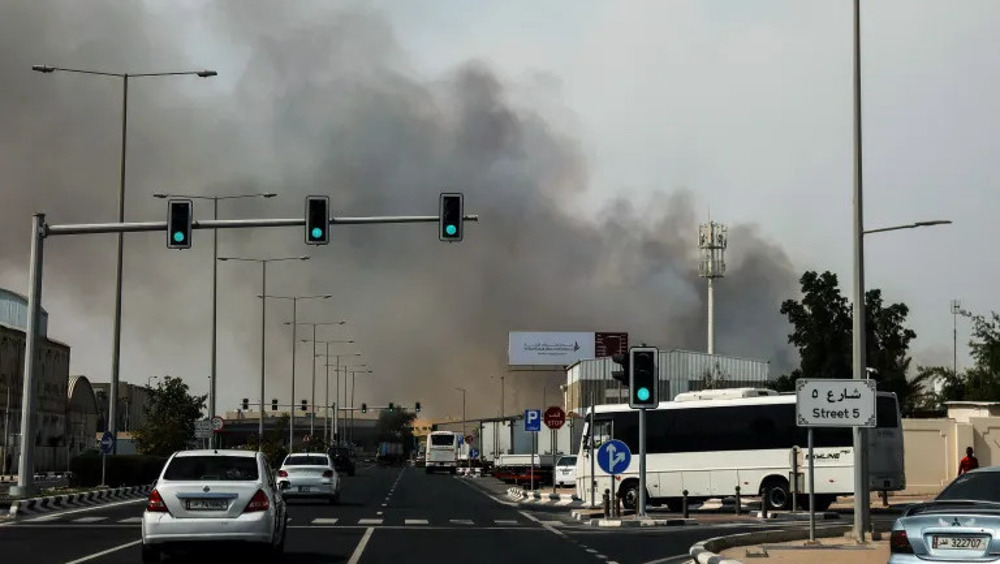
War on Iran threatens Persian Gulf states’ $4 trillion commitments to US: Report
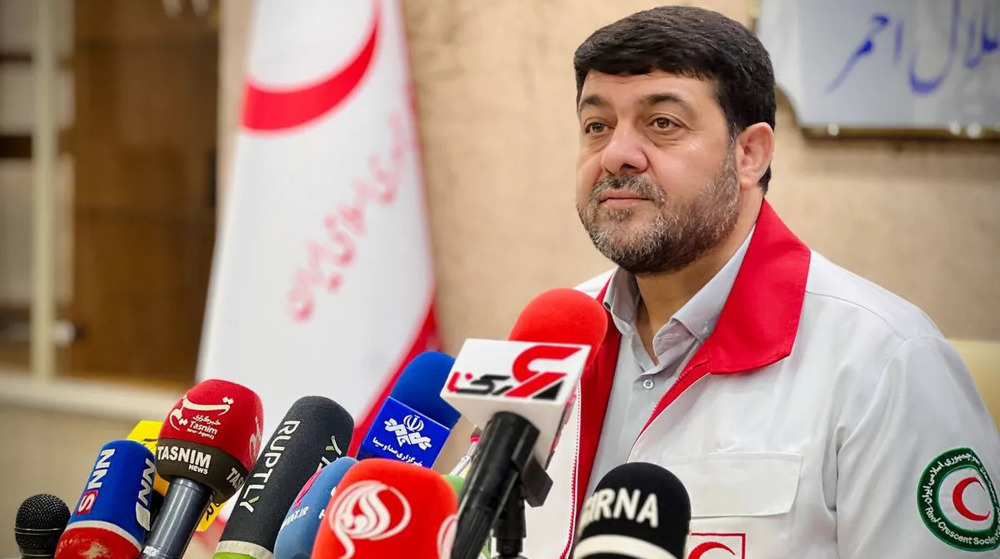
Qatar Red Crescent Society pledges cooperation over captive Iranian pilots: Official
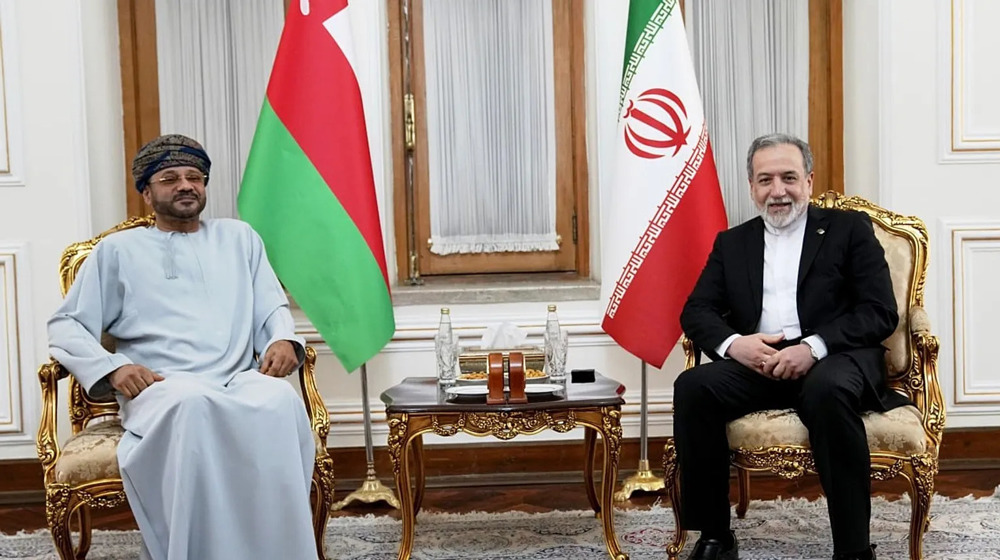
Iran, Oman jointly postpone Persian Gulf foreign ministers’ meeting



Iran’s military victory must be complemented by victory in battle of narratives: Basij chief
VIDEO | Press TV's news headlines
US assessment warns of inflation, weapons shortages as war against Iran runs up $38-billion bill
VIDEO | Trump's South Korea Hormuz demand causes backlash
VIDEO | Israel’s detention, harassment of journalists an assault on truth: Political analyst
VIDEO | 200 days of resistance
Report shows Trump planning ‘largest bomb transfer in modern US history’ to Israel
Pentagon finally admits Iran struck US F-35 fighter jet


 PressTV NEWSLETTER
now
PressTV NEWSLETTER
now
 This makes it easy to access the Press TV website
