Iran won't stop its retaliation until the aggressor is punished: Speaker Ghalibaf
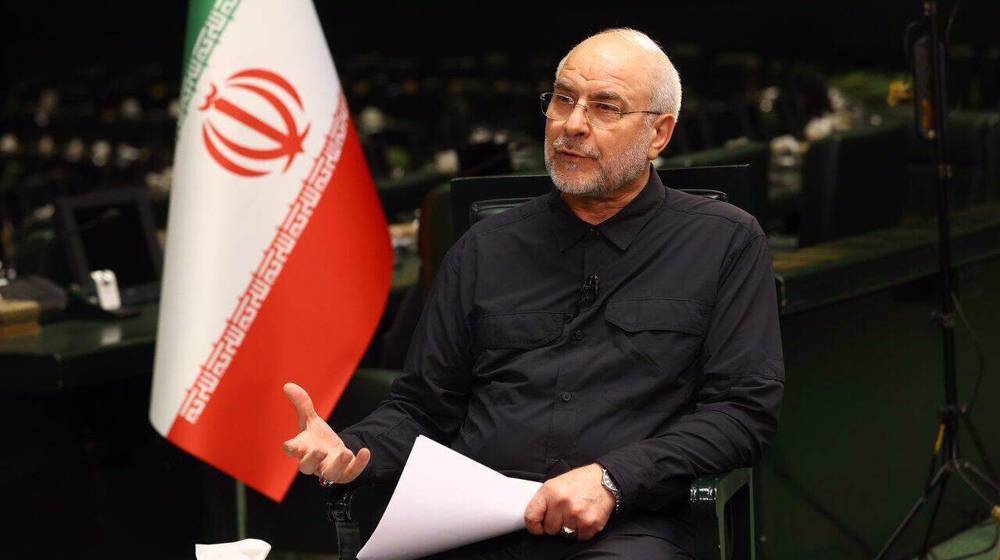
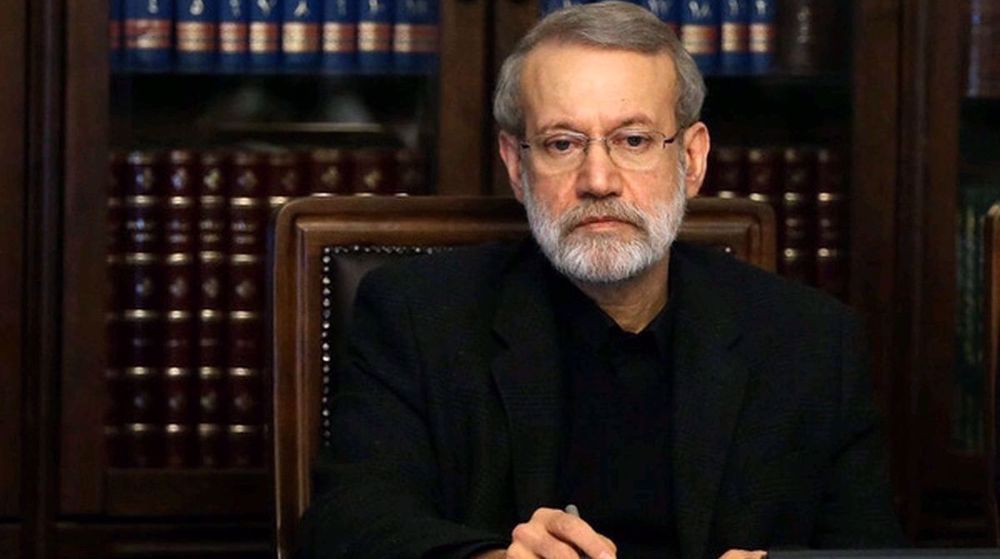
Mohammad Bagher Ghalibaf, the speaker of Iran's parliament, in a statement of unwavering national resolve against the US and Israeli aggression, said the country’s retaliatory strikes against the aggressors would continue until they are punished.
In a post on X on Thursday, Ghalibaf emphasized undeniable evidence of the effectiveness of Iran's defensive and retaliatory operations, saying, "Aren't US commanders reporting on increasing effective and precise Iran strikes and the painful casualties they have suffered?”
“US lawmakers have said that they don't have an exit plan, but in the media, they bluff to control the markets. We won't stop until the aggressor is punished," the speaker added.
In response to the US-Israeli aggression against Iran, the naval and aerospace units of the Islamic Revolution Guards Corps (IRGC) and the Islamic Republic’s army have launched massive missile strikes against US military assets in regional countries and on military targets in the Israeli-occupied territories since Saturday.
Iran's armed forces have demonstrated superior precision and strategic impact in responding to illegal and unprovoked aggressive strikes by the US and Israel that led to the assassination of Leader of the Islamic Revolution Ayatollah Seyyed Ali Khamenei and some top-ranking military commanders.
Iran’s strikes have prompted Washington to close its embassies in many regional countries, urging American nationals to flee the region.
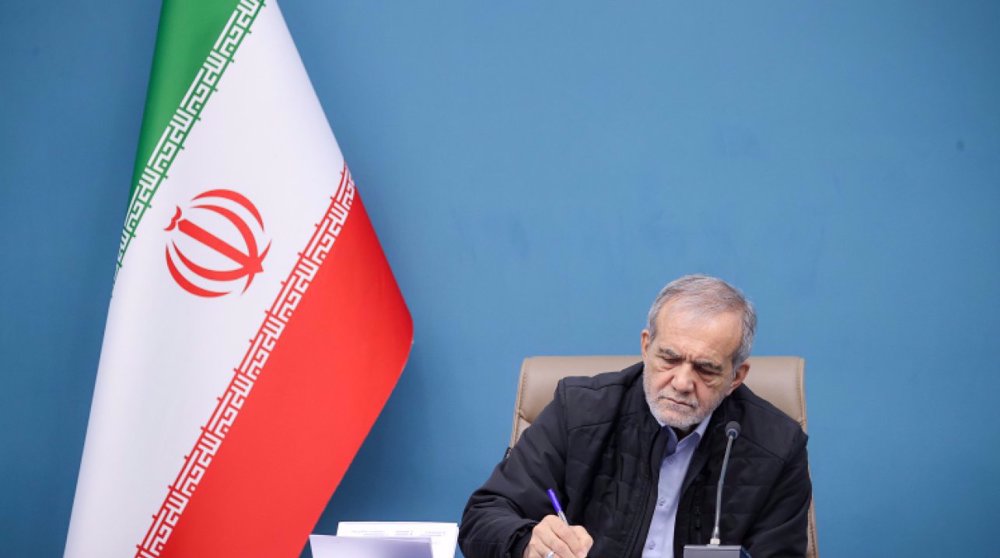
Media reports from American military sources themselves acknowledge the growing toll inflicted by Iranian missile and drone operations, which have targeted bases and assets in West Asia used to launch attacks on Iranian soil and interests.
These admissions reveal heavy losses among US personnel, which have far exceeded the minimized figures Washington publicly releases, exposing the vulnerability of aggressive forces in the region.
Ghalibaf's reference to US lawmakers' private admissions of lacking a viable exit strategy from the war underscores the quagmire facing the US and Israeli aggressors in West Asia.
While Trump administration officials attempt to project fake confidence through media statements aimed at stabilizing financial markets and investor sentiment, behind closed doors, the reality is one of strategic deadlock and mounting frustration.
According to Forbes, the United States’ expanding military aggression against Iran is already carrying a multibillion-dollar price tag, with early estimates suggesting American taxpayers have absorbed more than $1 billion in costs in just the opening phase of the war.
Budget analysts warn that if the war continues, total direct military expenses could climb to between $40 billion and $95 billion, with broader economic damage potentially far higher.
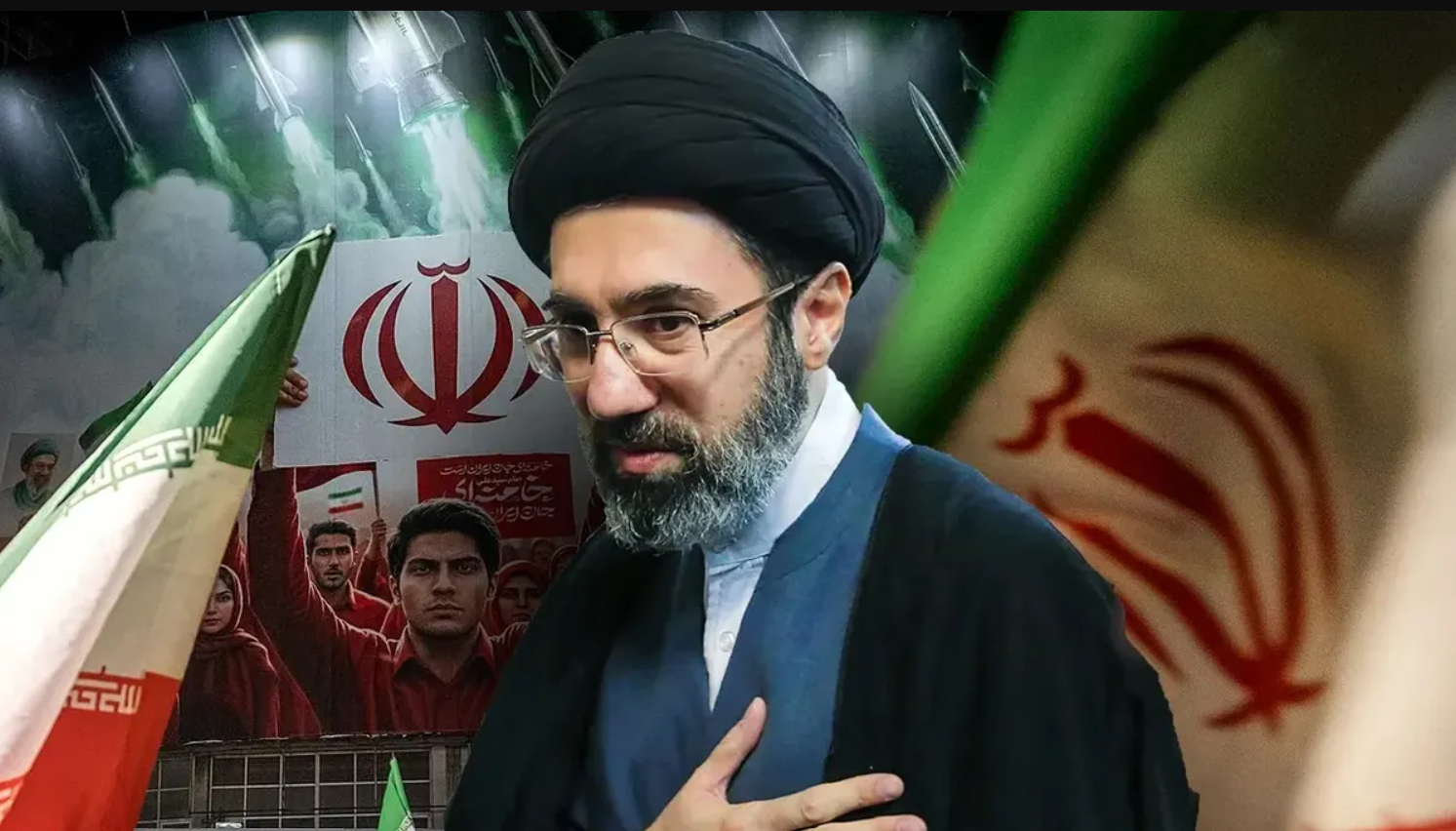
Leader grants pardons, sentence reductions to over 2,000 convicts
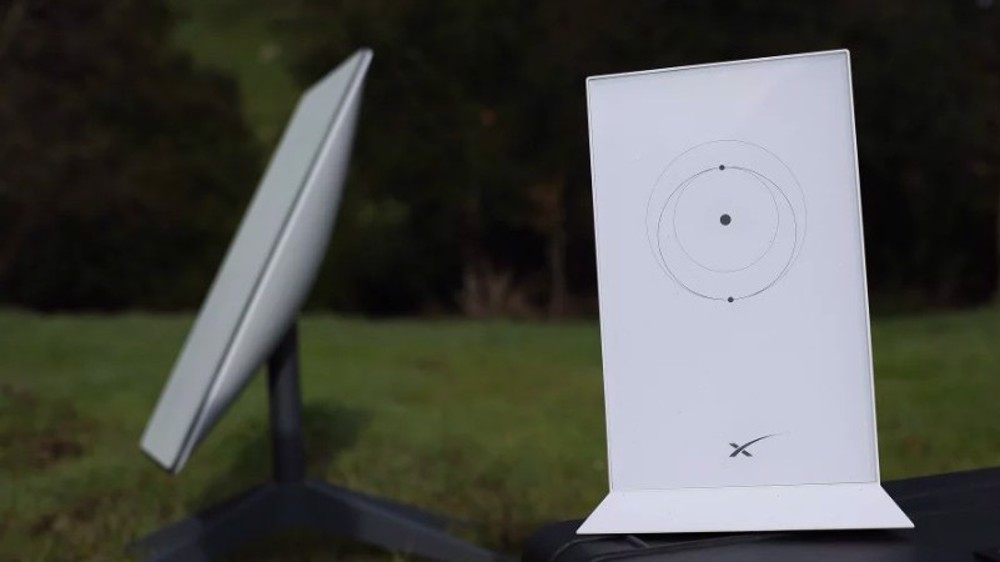
Report: Starlink was core component of US-Israeli war on Iran
Iran: Germany's UN seat loss 'stark rebuke' over role in Gaza genocide



Iran posts 100,000 MW generation feat amid US-Israeli war
Israeli raids and settler attacks escalate across West Bank
Iran urges IAEA to avoid political pressure to be part of diplomatic solution
‘Worst form of political interference’: Iran blasts US over visa denial for World Cup
Pentagon raised threat of Israelis spying on US to highest level: Report
‘He sells out those who stand beside him’: Iran dismisses hostile remarks by Lebanon’s Aoun
From manufacturing consent to masking defeat: 'Iran Intl.' in service of US-Israeli war machine
VIDEO | Saudi Arabia and the push for normalization with Israel


 PressTV NEWSLETTER
now
PressTV NEWSLETTER
now
 This makes it easy to access the Press TV website
