India’s Modi visits occupied territories to deepen ties with Israel despite Gaza genocide
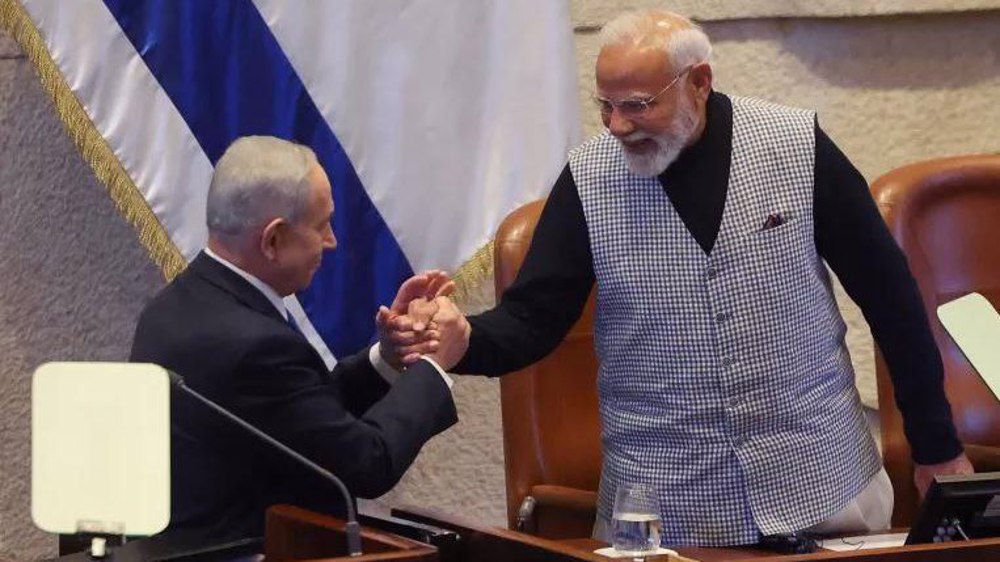
Indian Prime Minister Narendra Modi has arrived in the occupied territories to strengthen ties with Tel Aviv, drawing criticism from observers who called the visit “a betrayal of the Palestinian cause” and a tacit endorsement of the Israeli regime’s “murderous” policies.
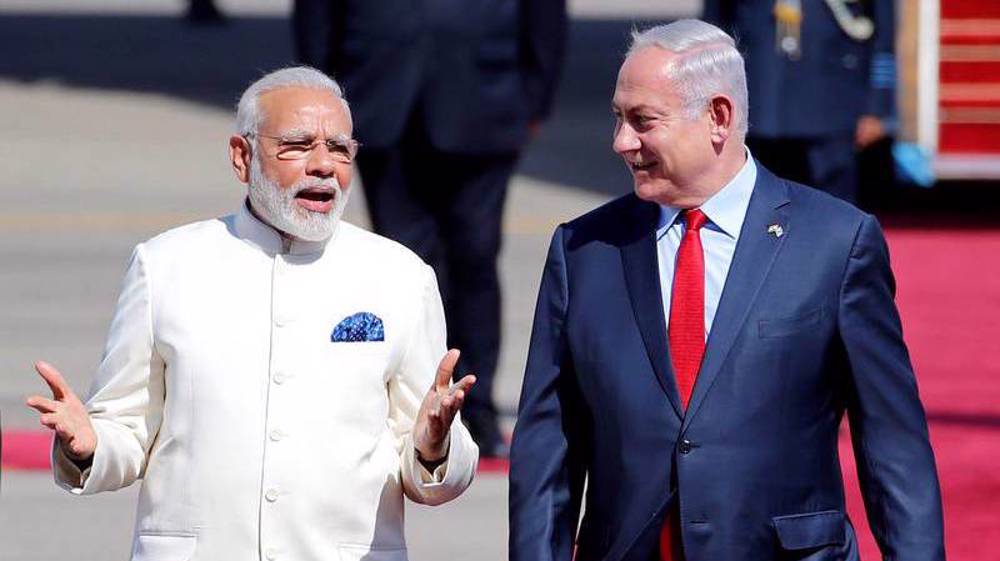
Modi received a red-carpet welcome from Israeli prime minister Benjamin Netanyahu and his wife Sara as he arrived in holy occupied city of al-Quds on Wednesday.
As Modi disembarked, Netanyahu was heard calling him “no greater friend,” highlighting the warmth of the reception amid the ongoing Israeli oppression of Palestinians.
“I am confident that my state visit will further consolidate the enduring bonds between the two countries, set new goals for the strategic partnership, and advance our shared vision for a resilient, innovative and prosperous future,” Modi said in a statement.
As part of his visit, Modi addressed the Knesset, the regime’s parliament, where Netanyahu described him as “a great friend of Israel, a great champion of the Israeli-Indian alliance, and a great leader on the world stage.” The address marks the first time an Indian premier has spoken at the Knesset.
Modi and Netanyahu are expected to discuss cooperation in science and technology, innovation, agriculture, water management, military, trade, and investment.
Since taking office in 2014, Modi has overseen a deepening of India’s ties with the Israeli regime, gradually moving away from the country’s historic support for the Palestinian struggle for independence.
Today, Delhi, once among the nations opposing the regime’s starting to claim existence in 1948, has become the entity’s largest buyer of arms.
The Indian government’s stance on the regime “doesn’t reflect the position which is historically taken by Indians, particularly as people living in a postcolonial country who have identified with the Palestinian cause,” said Sreeja Donti Reddy, a member of the Indian People in Solidarity with Palestine movement.
Priyanka Gandhi, a lawmaker from the opposition Congress party and daughter of former Prime Minister Rajiv Gandhi, as well as sister of opposition leader Rahul Gandhi, had urged Modi to demand justice for Palestinians in Gaza.
“India has stood for what is right throughout our history as an independent nation, we must continue to show the light of truth, peace and justice to the world,” she wrote online.
Modi’s visit comes as the regime continues to violate a “ceasefire” intended to stop its genocidal war on Gaza.
The Communist Party of India (Marxist) said it “strongly” opposes Modi’s visit, as it coincides with the regime's “waging a genocidal war in Gaza”.
“The Modi visit is thus a betrayal of the Palestinian cause and legitimizes the murderous Netanyahu regime,” the party said in a statement.
“The declared intent of the visit is also to deepen strategic, military and economic ties with a Zionist expansionist regime which seeks to dominate the region with the help of the United States," it added.
“The visit is all the more inopportune because it is taking place at a time when the United States is preparing to attack Iran militarily at the instigation of Israel,” the party said.
Critics say Modi’s alignment with Tel Aviv goes beyond the visit itself, reflecting a broader shift in India’s foreign policy.
“Ever since the Modi government came to power, they made it very clear that they are not at all interested in the Palestinian issue. They just give some lip service and money, and even the lip service has become much less frequent,” Prof. Achin Vanaik, political scientist and former professor of international relations at the University of Delhi, told Arab News.
“This government, for both ideological and what it considers to be strategic reasons, is solidly aligned with Israel,” Vanaik added.
Israeli soldiers who gang-raped Palestinian abductee file lawsuit for $6 million
Israeli military bars activists from aiding Palestinians in besieged West Bank village
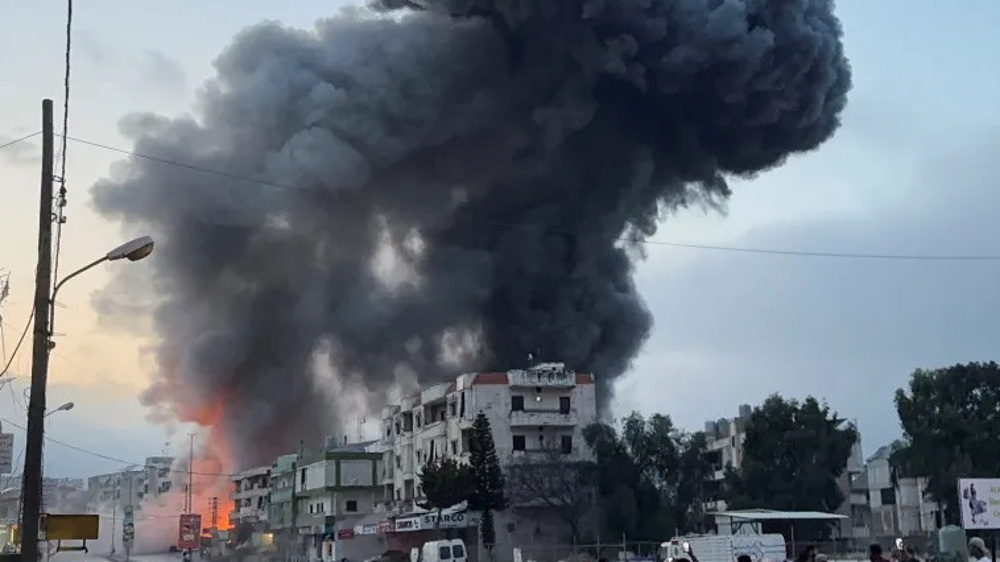
Three killed, 23 wounded in fresh Israeli strikes on Lebanon



VIDEO | News Review: Trump downplays war on Iran, calling it 'small potatoes'
Iran condemns US attacks on oil tankers as violation of international law
VIDEO | News Review: US attacks Iran oil tankers
VIDEO | Nuclear madness: Who can stop Trump?
Iran military warns US of ‘more severe blows’ to warships if aggression continues
‘Governments continue to fail’: Freedom Flotilla sails again to break Israel’s Gaza blockade
US approves $5 billion arms sale to Saudi Arabia as it renews aggression against Iran
VIDEO | Palestinian football returns after 3-year pause due to genocidal war



 PressTV NEWSLETTER
now
PressTV NEWSLETTER
now
 This makes it easy to access the Press TV website
