South Korean independent counsel demands death penalty for ex-president Yoon
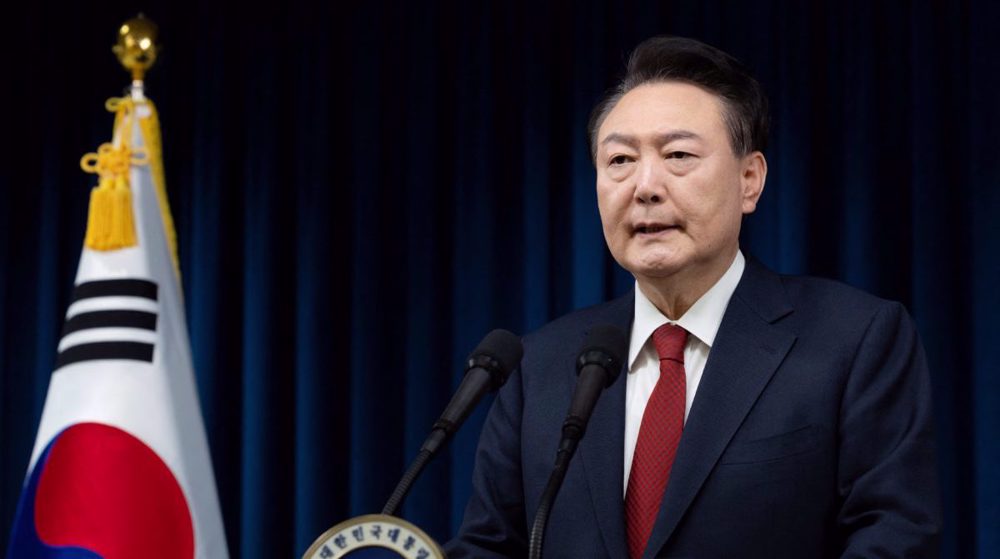
An independent counsel in South Korea has demanded the death penalty for former South Korean President Yoon Suk Yeol if found guilty over his botched attempt to impose martial law.
The Seoul Central District Court said that independent counsel headed by senior legal figure Cho Eun-suk and his team made the request at a hearing on Tuesday.
The court heard closing arguments in Yoon's trial, in which he was accused of being the "ringleader of an insurrection."
The charge stems from Yoon's attempt in December 2024 to impose military rule in South Korea, an act that lasted for hours but plunged the country into political turmoil.
Yoon also faces charges for scandals related to his time in office. The court is expected to deliver a verdict on Yoon in February.
On December 3, 2024, calling the opposition-controlled parliament “a den of criminals” and “anti-state forces,” Yoon declared martial law, ordered South Korea’s armed forces to enter the National Assembly, besiege the surrounding area, and restrict the lawmakers from entering the building.
He granted the military extraordinary powers to end the political deadlock in the capital and stop what he called “anti-state forces.”
South Korean lawmakers, including members of Yoon’s own party, rushed to object to the imposition of martial law in dramatic overnight scenes. Many of them managed to enter the Assembly Hall to vote down the decree and impeach Yoon for “attempting insurrection.”
Yoon maintained that his decree was a desperate yet peaceful attempt to raise public awareness about what he considered the danger of the liberal opposition Democratic Party. According to Yoon, the party used its legislative majority to obstruct his agenda and complicate state affairs.
On January 15, 2025, the South Korean police forcefully entered the Presidential Palace, where Yoon was still residing and detained him, making him the first sitting president in South Korea to be arrested.
The martial law decree was the first of its kind in more than 40 years in South Korea, and evoked traumatic memories of dictatorships in the 1970s and 1980s, when military-supported rulers used martial law and other emergency decrees to station soldiers, tanks and armored vehicles in public places to suppress pro-democracy protests.
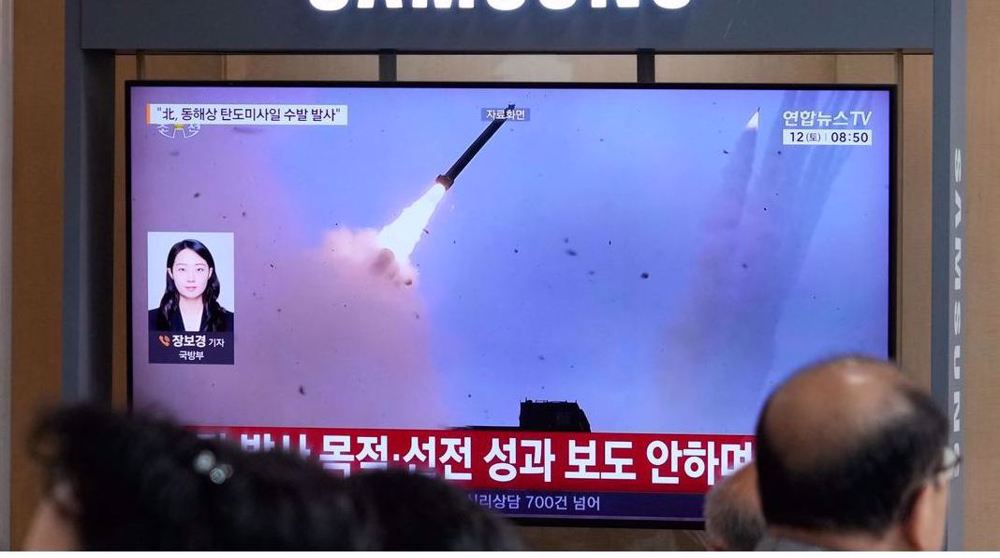
North Korea launches 2 ballistic missiles, dials up pressure on US
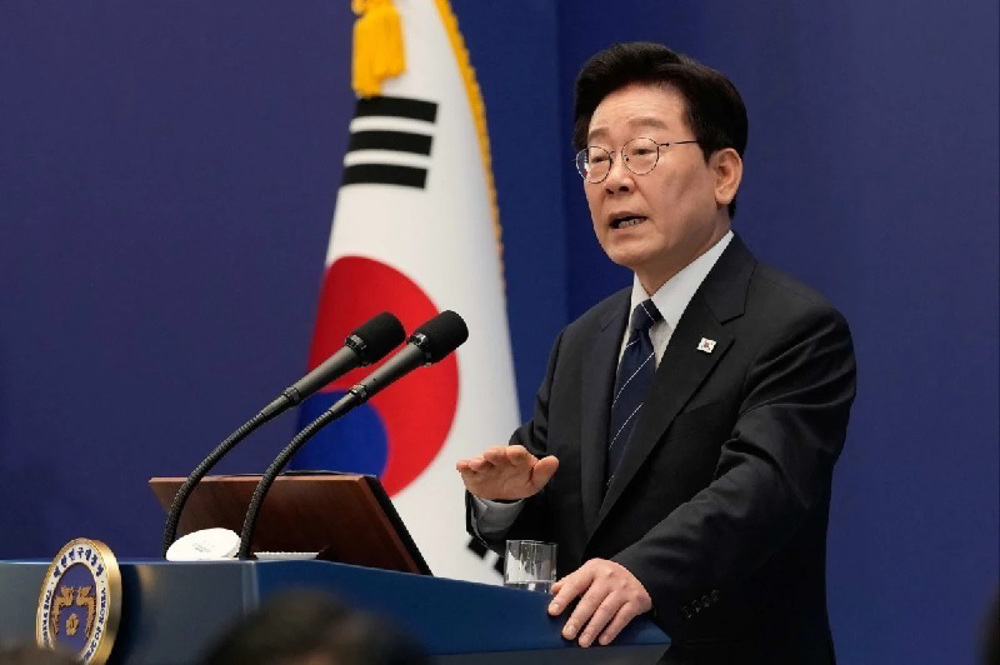
South Korea rejects Hormuz deployment plan
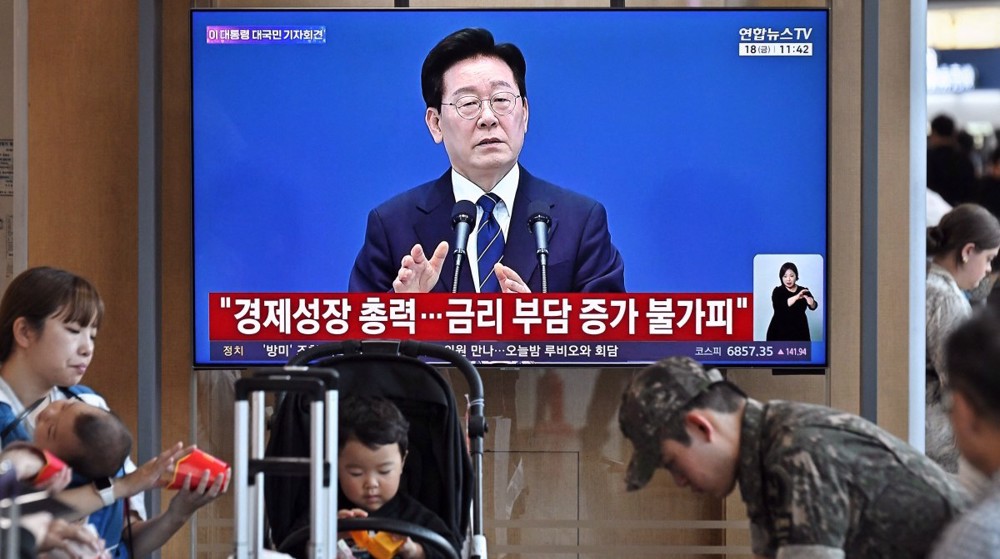
South Korea says will not send troops to join terrorist US war on Iran



Trump can’t impose his power on Iran; we withstand whatever warfare: Parliament speaker
VIDEO | Israeli attacks escalate in Lebanon as US-brokered deal yields only concessions: Press TV reporter
Eleven injured as gunman opens fire near high school in western Turkey
China condemns US extortion of Iranian airlines, rejects Washington’s ‘illegal’ sanctions threats
VIDEO | Strikes hit areas in south Lebanon where Israeli regime claims to control
Sirens, explosions sound in Saudi Arabia’s Najran along border with Yemen
Shahed-238: Iran’s jet-powered drone redefines low-cost threat, challenges modern air defenses
Discover Iran: Tabriz’s Armenian heritage of churches, commerce and art woven into social fabric



 PressTV NEWSLETTER
now
PressTV NEWSLETTER
now
 This makes it easy to access the Press TV website
