ICJ to start hearings on Rohingya genocide case against Myanmar
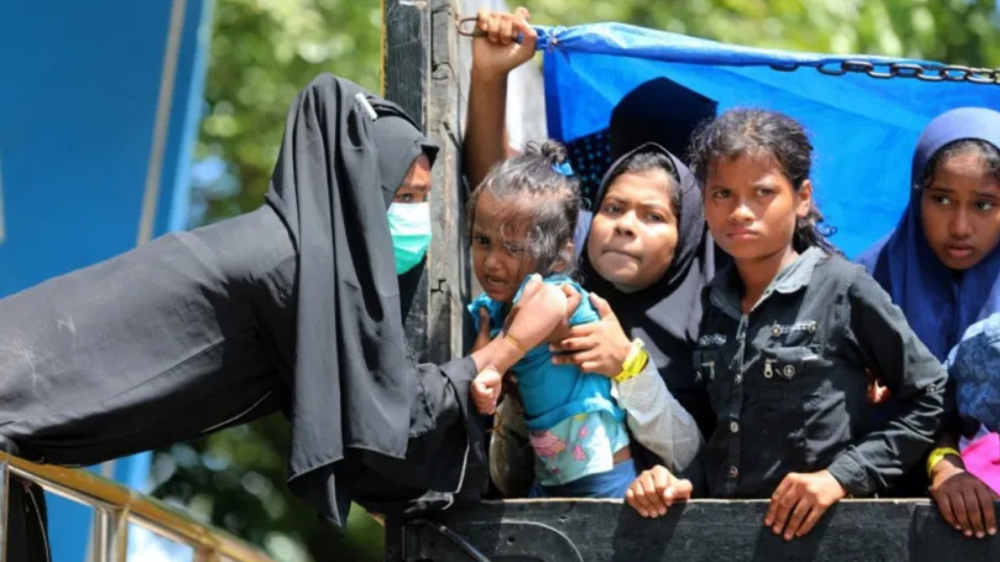
The International Court of Justice (ICJ) is set to start hearings on a landmark case against Myanmar for committing genocide against its Muslim Rohingya minority.
The United Nations' top court hearings about the Rohingya genocide case will start at 0900 GMT on Monday and will last for three weeks.
The trial is the first genocide case that the ICJ will take up in full in more than a decade, and its outcome will have repercussions beyond Myanmar, likely affecting South Africa’s petition against Israel over its genocidal war on Gaza, which has killed more than 71,000 Palestinians and wounded over 172,000 others.
Myanmar's military forces launched a genocidal campaign against the Rohingya Muslims in 2017 during the rule of the ousted leader Aung San Suu Kyi, who was supported by the West.
Gambia, a predominantly Muslim West African country, filed the case against Myanmar in 2019, after the genocidal offensive had forced more than 750,000 Rohingya from their homes and into neighboring Bangladesh.
The refugees recounted mass killings, rape and arson attacks. A UN fact-finding mission at the time concluded that the 2017 military offensive had included “genocidal acts.”
“The case is likely to set critical precedents for how genocide is defined and how it can be proven, and how violations can be remedied,” said Nicholas Koumjian, head of the United Nations’ Independent Investigative Mechanism for Myanmar.
The hearings at the ICJ will mark the first time that Rohingya victims of the atrocities will be heard by an international court, although the sessions will be closed to the public and the media for sensitivity and privacy reasons.
“If the ICJ finds Myanmar responsible under the Genocide Convention, it would mark a historic step in holding a state legally accountable for genocide,” said Legal Action Worldwide (LAW), a group that advocates for Rohingya rights.
The case is being brought under the 1948 Genocide Convention, which defines genocide as "acts committed with intent to destroy, in whole or in part, a national, ethnical, racial or religious group."
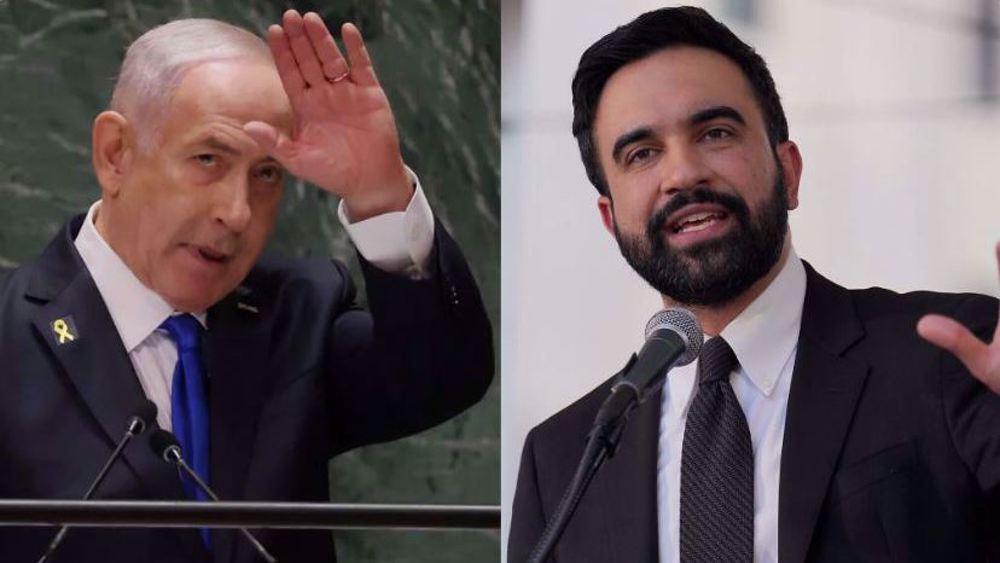
Mamdani calls on US government to enforce ICC arrest warrant against Netanyahu
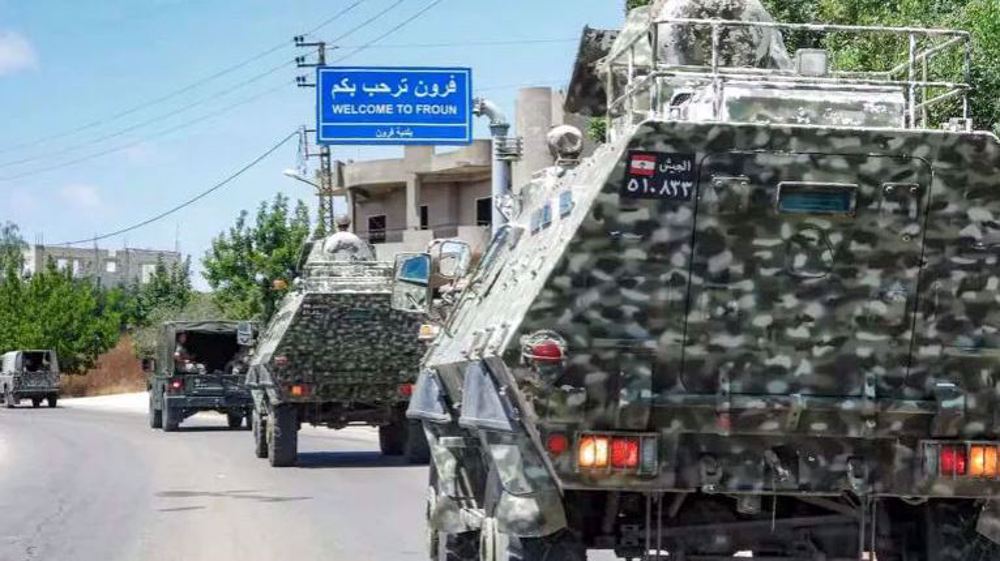
Lebanese return to US 'pilot zones' to discover Israeli 'withdrawal' a hoax
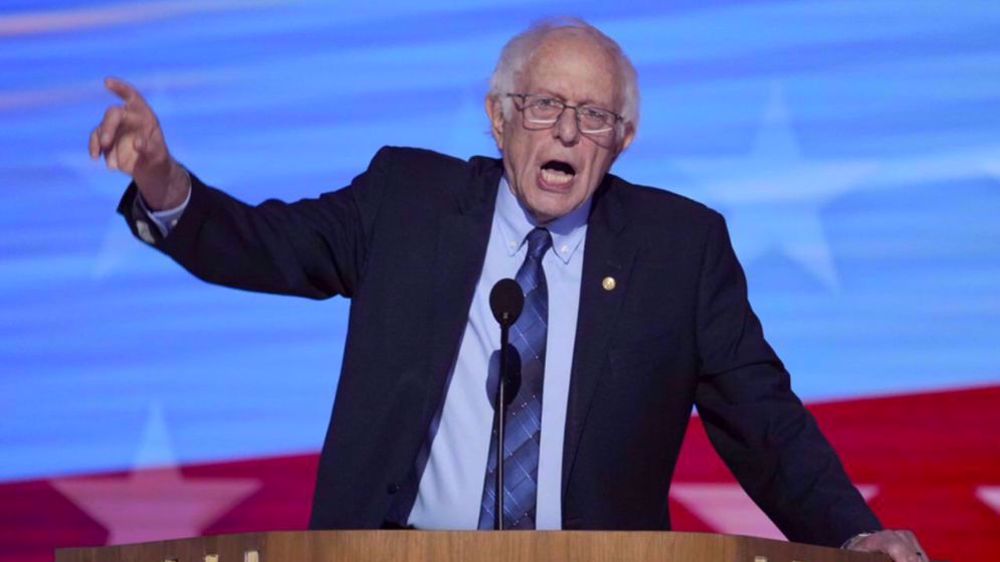
Israel had ‘no right to commit genocide’ in Gaza : US Senator



Iran will destroy multiple energy facilities for every US infrastructure attack: Report
VIDEO | 'Evidence is growing that Americans cannot be trusted in any way, shape or form'
Hezbollah MP slams summons of pro-resistance journalist over Saudi criticism
‘Where is Grossi?’: Iran hits back at IAEA silence over US attacks on nuclear sites
Iranian general says US used weapons ‘set aside for World War III’ against Iran
IRGC strikes US MQ-9 drone hangar, F-15 jet shelter in Jordan
Iran helped save Kuwait in 1990 – now Kuwait hosts US bases, aids aggression against Iran
Iran Army chief warns US against ground invasion, pledges all-out resistance


 PressTV NEWSLETTER
now
PressTV NEWSLETTER
now
 This makes it easy to access the Press TV website
