Iran’s soft power to quench regional thirst for healthy beverages
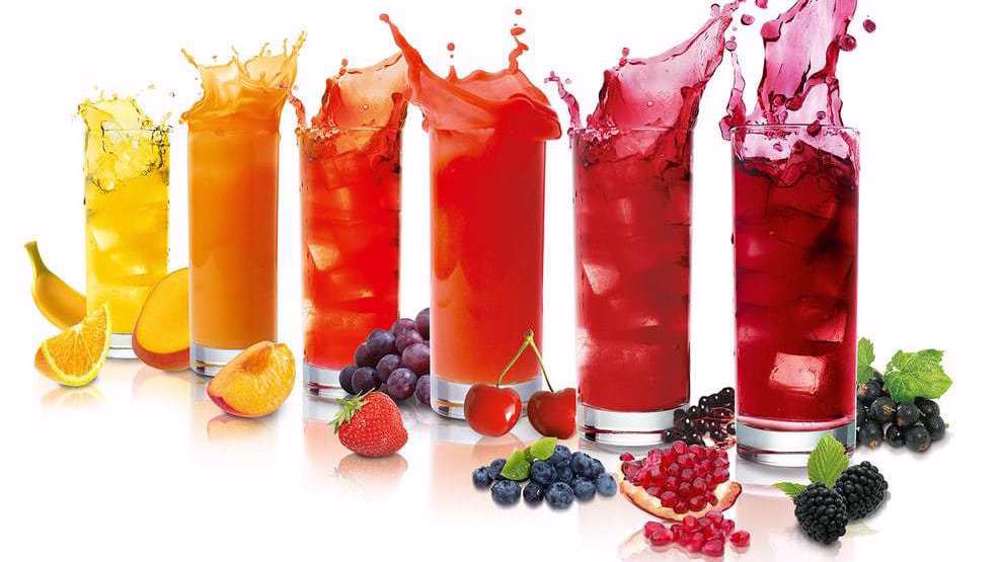
The beverage industry in Iran is a major component of the country’s food sector, characterized by high domestic consumption and significant export activity.
The industry has undergone notable transformation over recent years, shifting from traditional production methods to a sector increasingly defined by technological upgrades and export orientation.
Annually, Iranians consume approximately 3.5 billion liters of carbonated drinks, 2 to 2.5 billion liters of bottled water, and just over 1 billion liters of juices, nectars, and other fruit-based beverages.
This indicates that while the carbonated drink and bottled water segments dominate domestic consumption, the juice and nectars sector maintains a growing but comparatively limited market footprint.
The divergence in consumption levels underlines the untapped potential for further growth in juice-based products.
The domestic juice and nectars market is supported by extensive citrus cultivation. Iran maintains roughly 300,000 hectares of citrus orchards, with Mazandaran province alone accounting for 120,000 hectares.
Annual citrus output in Mazandaran exceeds 3 million tons, representing more than 52 percent of national demand. National citrus production reaches approximately 4.5 million tons, yet only a small fraction is channeled into juice or concentrate production.
The remainder is consumed fresh, and a significant portion is lost due to insufficient processing infrastructure. Current estimates suggest that around 30 percent of Iran’s agricultural output, roughly 35 million tons valued at $15 billion, is lost as waste.
Despite this domestic abundance, beverage manufacturers continue to rely on imported concentrates and fruit components.
In 2024–2025, for instance, Iran imported 3,142 tonnes of peach parts valued at $4.76 million and 2,721 tonnes of orange pulp worth $3 million, while Mazandaran alone produced over 3 million tonnes of oranges and tangerines, with only about 10 percent entering industrial processing.
The domestic juice industry is increasingly export-oriented. From a total national production of 100,000 tonnes of concentrate, 70,000 tonnes are exported, generating significant foreign exchange.
This export orientation is in line with Iran’s competitive advantages where energy costs for manufacturing remain relatively low, and large producers have access to modern processing technologies.
These factors position Iran as a cost-efficient producer in regional and international markets.
Iran’s fruit production, particularly citrus, constitutes a disproportionately large share of global output relative to population size. Iran represents roughly one percent of global population but contributes approximately four percent of global fruit output.

Investment in cold storage, processing lines, and packaging could convert more of this raw production into value-added beverages, reducing waste and increasing domestic output.
The carbonated beverage segment in Iran has matured significantly, producing 3.5 billion liters annually. However, growth in non-carbonated and healthy beverage segments has become increasingly noticeable.
The rise of low-sugar, natural, and additive-free products reflects evolving consumer preferences toward healthier options. This shift in demand has catalyzed innovation within domestic production lines, leading to diversification into functional beverages, plant-based drinks, and energy drinks.
Domestic brands have leveraged these trends to capture market share, with some achieving over 50 percent penetration in the juice segment.
Regional export markets present significant opportunities. Neighboring countries, including Iraq, Afghanistan, Syria, and Central Asian republics, demonstrate high demand for affordable, high-quality beverage products.
Cultural similarities, geographic proximity, and consumer preferences aligned with Iranian products facilitate trade in these markets.
The export potential is further supported by the trend toward healthier beverages, which aligns with global and regional shifts in consumption.
Low-sugar, natural, and additive-free beverages from Iran can meet emerging market needs, particularly where competitors from Europe or North America may face cost and logistical constraints.
The domestic beverage manufacturing landscape consists of over 250 production units, yet only a fraction participates in public markets or structured investment platforms. Many smaller producers operate outside formal channels.
Technology adoption is a key differentiator among Iranian beverage producers. Large-scale manufacturers employ modern processing equipment capable of producing juices, nectars, and concentrates that meet international quality standards.
The availability of advanced processing lines in major units underpins Iran’s ability to export high-value concentrate products.
The beverage industry’s market dynamics are closely tied to urbanization and the growth of modern retail infrastructure. The expansion of chain supermarkets and the rise of packaged product culture have facilitated broader distribution and increased consumer access to processed beverages.
This trend is mirrored in the gradual increase in consumption of bottled water, juices, and specialty beverages, reflecting urban middle-class preferences for convenience and standardized quality.
Iran’s export-oriented strategy for juice and concentrate products is reflected in the alignment between domestic production and regional demand. Export volumes of concentrate have historically outpaced domestic consumption in value terms, highlighting the sector’s role as a foreign exchange earner.
Price competitiveness is reinforced by low domestic energy costs and favorable production scale, allowing Iranian producers to offer products that are both affordable and attractive in neighboring markets.
Overall, the Iranian beverage sector is characterized by concentrated production capabilities, strong export orientation, and emerging consumer-driven diversification.
Energy cost advantages, access to modern processing technology, and proximity to high-demand regional markets reinforce the sector’s competitiveness.
The combination of abundant domestic raw materials, export-ready production, and evolving consumer preferences defines Iran’s current positioning in the beverage sector, creating remarkable opportunities for raising output, increasing domestic processing, and enhancing regional market penetration.

Iran, Pakistan commit to $10 billion trade goal with new partnership deal
The untold story of hidden war on Iran's dinner table
Iran localizes 2,000 sanctioned petrochemical components to boost domestic production



US on the verge of 'significant strategic defeat' against Iran: Ex-US negotiator
VIDEO | Tunisia’s medicine price hikes fuel social concerns over healthcare access
AIPAC eyes another push against El-Sayed after $32 million defeat in Michigan primary
Any country joining Saudi aggression is aggressor, Yemen warns after joint ‘defense' deal
VIDEO | Press TV's news headlines
Persian Gulf security must come from within the region, not outside: Iran deputy FM
Iraqi Resistance 'delays' planned retaliatory strike on US-Saudi interests
Israeli forces have killed 300 Palestinian children since Gaza 'ceasefire': UNICEF


 PressTV NEWSLETTER
now
PressTV NEWSLETTER
now
 This makes it easy to access the Press TV website
