US uses Iraqi airspace to spy on Iran, says Iranian ambassador to Baghdad
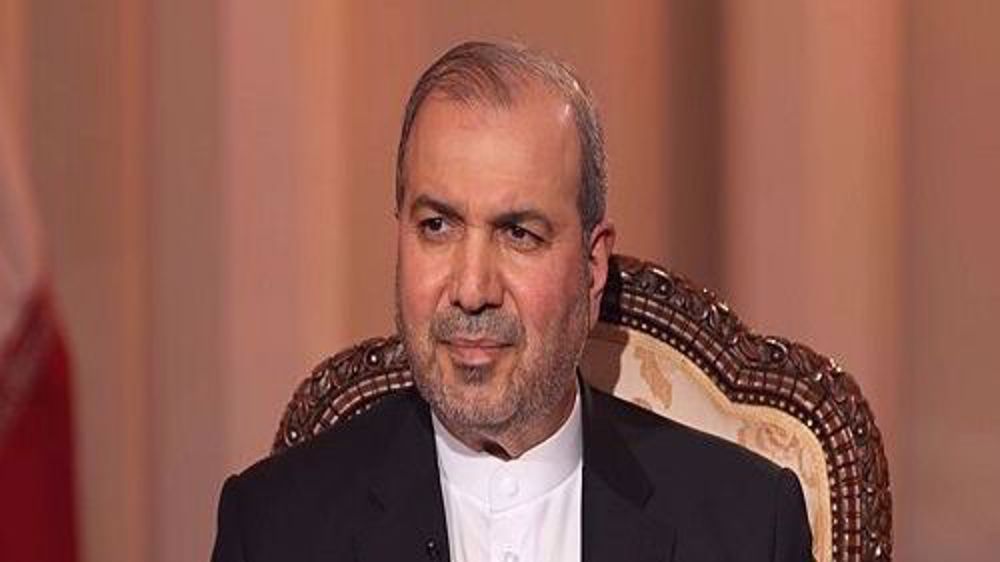
Iran’s Ambassador to Baghdad Mohammad Kazem Ale-Sadeq says the Islamic Republic has identified American reconnaissance flights using Iraqi airspace to spy on Iranian territory.
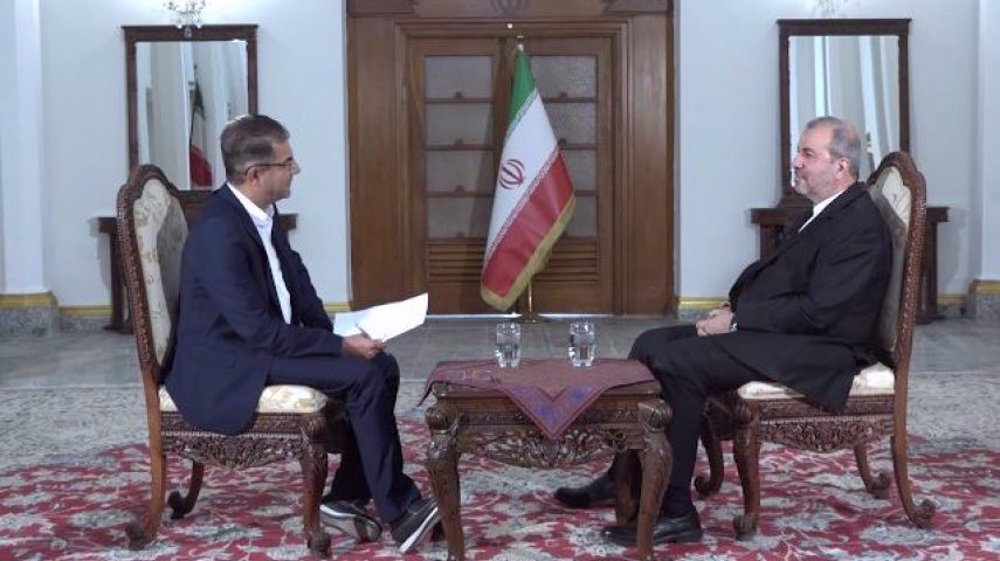
Ale-Sadeq made the remarks while speaking to Iraqi media on Saturday, warning that the United States supports Israeli flights in Iraqi airspace, which poses a threat.
He further emphasized Iran's readiness to respond to any hostile actions while respecting Iraq's sovereignty and the decisions of its government.
The Iranian ambassador also stressed the importance of regional cooperation to safeguard airspace and territorial integrity, referring to US spying flights over Iraq.
Ale-Sadeq further highlighted the need for indigenous management of security in the Persian Gulf region, cautioning against reliance on external military forces.
“Security is a completely internal and regional issue. We hope that countries in the region, including Iraq, will prioritize regional dialogue rather than allowing foreign surveillance and intervention,” he said.
The Iranian diplomat also advocated for prioritizing regional dialogue over foreign surveillance and intervention, promoting Iran's “6+2” plan as a model for maintaining security without external interference.
Elsewhere in his remarks, Ale-Sadeq underscored Tehran’s ability to defend itself and deter threats without relying on nuclear weapons.
He emphasized that while Iran does not possess nuclear arms, its deterrent missile capabilities have been sufficient to protect the country and compel adversaries to seek ceasefires.
He criticized attempts to portray Iran as seeking nuclear weapons, labeling these claims as “lies and fabrications” exploited by external powers to pressure Tehran.
Ale-Sadeq also touched on economic ties between Iraq and Iran, noting that bilateral trade exceeded $12 billion last year despite the impact of US sanctions.
He clarified that Iran has not cut gas supplies to Iraq due to unpaid debts, explaining that most gas exports are seasonal and aimed at electricity generation during the summer months.
Regarding regional politics, Ale-Sadeq reiterated the aligned positions of Iraq and Iran regarding Israel and criticized Persian Gulf countries for relying on foreign security firms.
He also emphasized the need for regional stability to be ensured by the countries of the region themselves, without the involvement of distant outside forces.
Ale-Sadeq further stressed that Iraq's political decisions, including parliamentary elections and government formation, are entirely Iraqi affairs.
He denied claims of Iranian interference, highlighting Tehran's engagement with all political currents in Iraq, including Shias, Sunnis, Kurds, and minority groups.
In conclusion, Ale-Sadeq said Iran supports regional stability and self-reliance while opposing foreign spying and intervention.
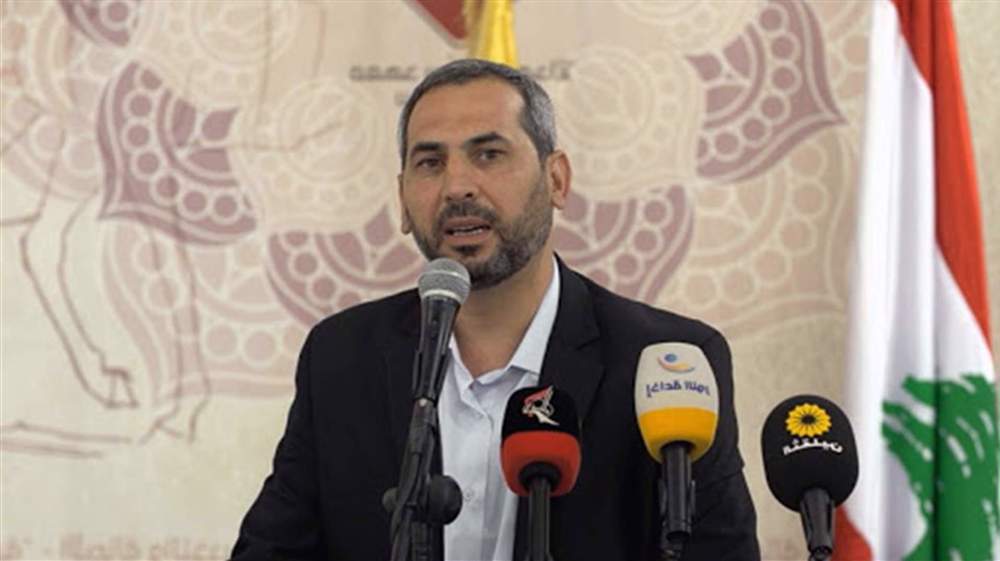
Hezbollah MP: Trump unwillingly acknowledged Iran’s key role on global stage
Iran FM discusses regional developments in phone talks with Pakistani, Omani counterparts
Araghchi: Arbaeen is grand display of Iran-Iraq national unity



VIDEO | Report: Around 80% of interceptors for US key missile defense system depleted
'Crime against civilians': Iran health minister condemns US attack on Lamerd stadium
Pezeshkian: Iran will support any negotiating decision by Palestinian leaders
VIDEO | Yemen will expand attacks if Saudi-led blockade continues: Analyst
Iran-Oman shipping talks unrelated to immediate Hormuz reopening: Report
Yemeni Armed Forces target another Saudi oil tanker in Red Sea
US pressuring African states to abandon ICC or face consequences: Report
UK court protects anti-Zionist beliefs




 PressTV NEWSLETTER
now
PressTV NEWSLETTER
now
 This makes it easy to access the Press TV website
