Explainer: How Kowsar 1.5 satellite fits into Iran’s push for sovereign space infrastructure
By Ivan Kesic
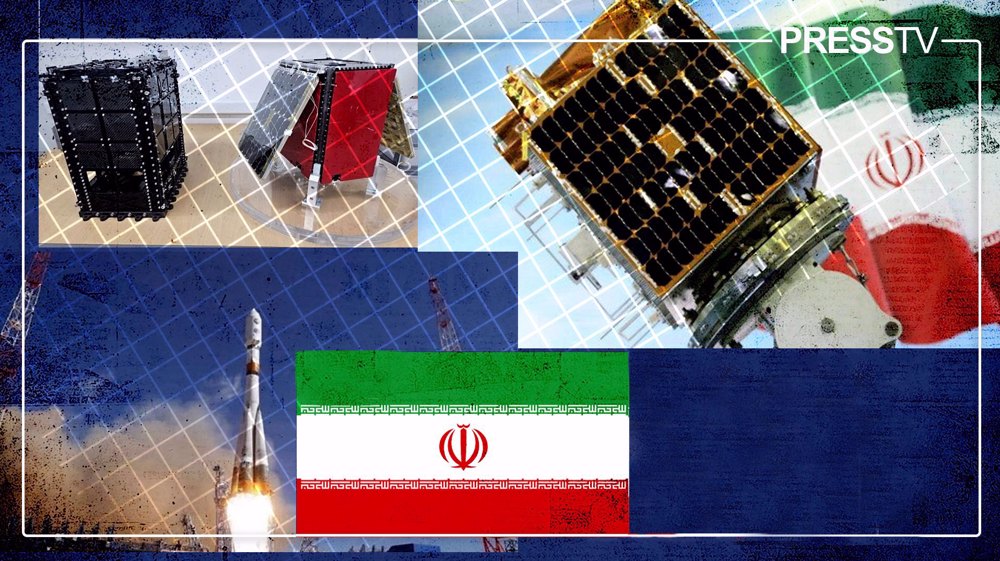
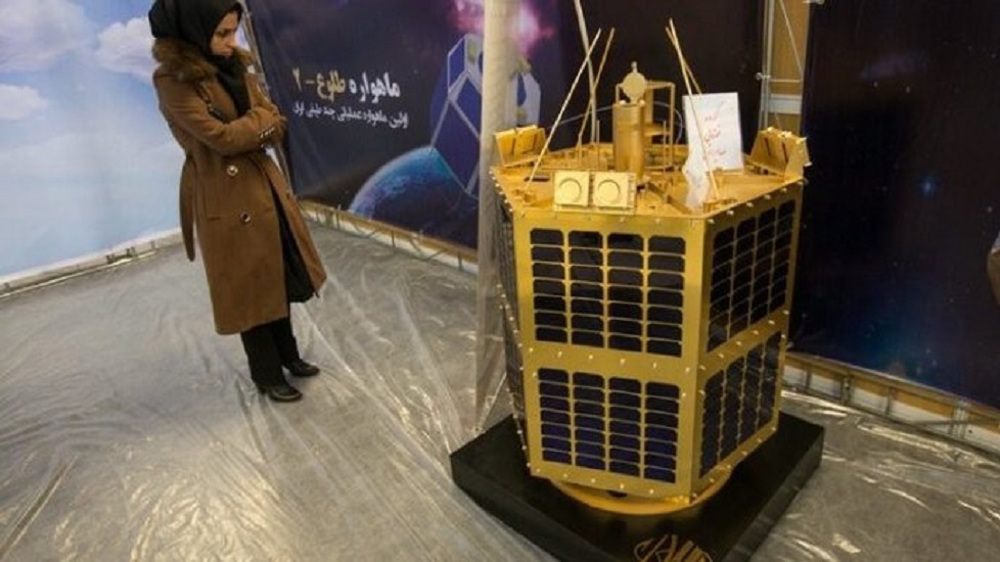
In a significant milestone for its national space program, Iran is preparing for a coordinated launch of three domestically developed satellites, led by the advanced Kowsar 1.5 remote-sensing platform.
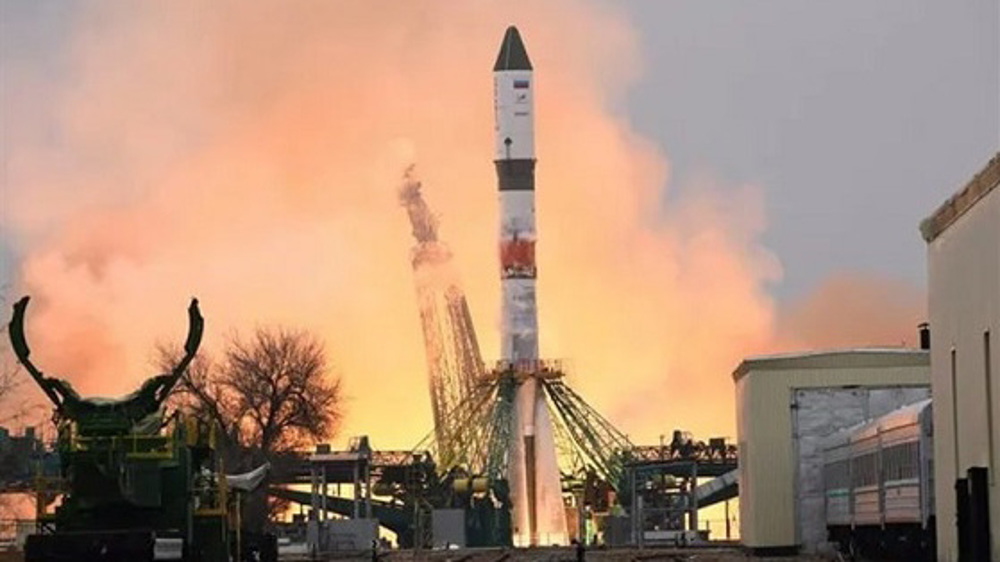
Scheduled for December 28, 2025, the mission will be carried out aboard a Russian Soyuz rocket from the Vostochny Cosmodrome and represents a strategic consolidation of Iran’s technological capabilities and its expanding ambitions in space.
The launch of Kowsar 1.5 alongside the Zafar-2 and Paya satellites marks a pivotal moment, not merely for achieving orbit but for showcasing an increasingly diversified space ecosystem.
The mission highlights Iran’s growing proficiency in designing sophisticated remote-sensing platforms, its pragmatic use of international partnerships to secure access to space, and the rising role of the private sector in driving aerospace innovation.
At the core of the mission is the upgraded Kowsar 1.5 satellite, which reflects a distinctly practical vision. Equipped with high-resolution Earth observation capabilities, it is designed to address pressing challenges in agricultural management and environmental monitoring.
This launch represents a convergence of engineering, strategy, and purpose, and marks a decisive step in Iran’s pursuit of a sovereign, space-based infrastructure.
Technical capabilities of Kowsar 1.5 satellite
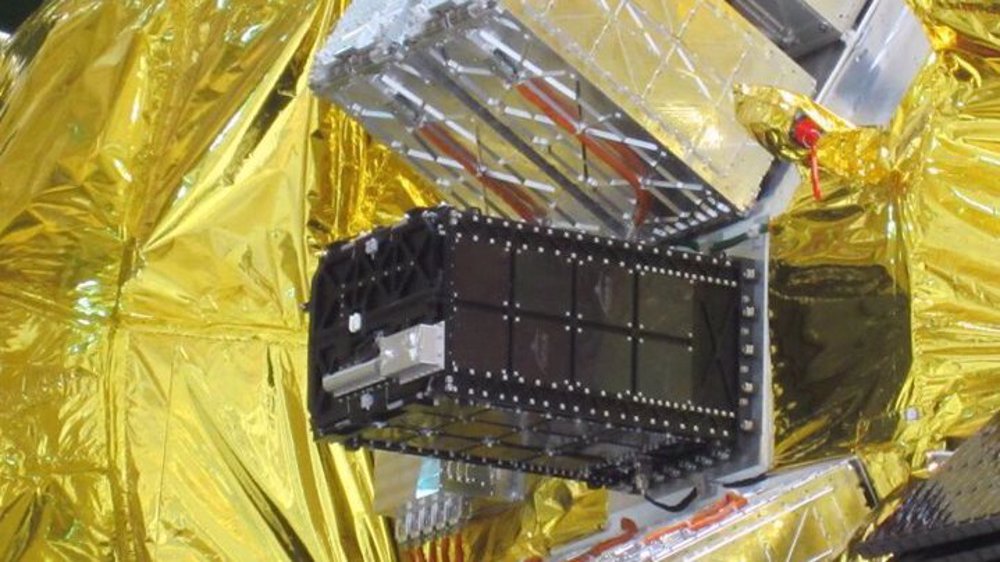
Kowsar 1.5 is the most capable payload in the mission, representing a substantial technological advancement over its predecessor.
It is a remote-sensing satellite optimized for high-resolution optical imaging from a Sun-synchronous low Earth orbit (LEO) at an altitude of approximately 500 kilometers.
Its key performance metric – a ground sample distance (GSD) of 3.45 meters – reflects a notable improvement in imaging clarity, enabling the satellite to distinguish objects on Earth’s surface spaced just 3.45 meters apart.
This resolution is well-suited to detailed environmental and agricultural monitoring rather than fine-scale military reconnaissance, placing the platform firmly within the domain of civilian resource management.
The satellite captures imagery in the visible red, green, and blue (RGB) bands, as well as the near-infrared (NIR) spectrum, which is essential for evaluating vegetation health, crop vigor, and land-use patterns.
Significant enhancements have been implemented across several key subsystems to improve reliability and extend mission duration. The attitude determination and control system (ADCS) has been upgraded with refined algorithms, enhancing orbital stability and pointing accuracy – critical factors for acquiring sharp, usable imagery.
The power subsystem has also undergone a major upgrade, incorporating more efficient solar panels and improved power management systems. These enhancements are designed to extend the satellite’s operational lifespan from an initial two years to at least four years.
The most substantial advances are found in the communications subsystem, which has been redesigned to operate across the S, U, and V frequency bands. This multi-band architecture improves data throughput, resilience, and reliability, ensuring that high-value imagery can be transmitted efficiently to ground stations across Iran.
Precision agriculture and environmental stewardship
The advanced design of Kowsar 1.5 is aligned with a pressing national priority: transforming agriculture and environmental management through space-based data.
At the core of the satellite’s mission is precision agriculture is a modern approach that relies on detailed, timely data to optimize resource use and maximize crop yields.
By routinely imaging agricultural regions, Kowsar 1.5 will provide farmers and planners with critical insights into crop health, irrigation requirements, soil conditions, and the early emergence of pest infestations.
Its near-infrared imaging capability is particularly valuable, as it can detect plant stress well before it becomes visible to the naked eye, enabling preventive interventions rather than reactive responses.
This data-driven methodology is expected to enhance food security, reduce water consumption in a drought-prone country, and improve the overall efficiency of Iran’s agricultural sector.
Beyond agriculture, Kowsar 1.5 will play an important role in environmental monitoring.
The satellite will support nationwide drought tracking by offering a comprehensive view of water resources, desertification, and long-term aridification trends.
Its ability to identify thermal anomalies and monitor large forested areas also makes it a valuable tool for early wildfire detection and post-fire damage assessment.
Additional applications include land surveying, cadastral mapping, and infrastructure evaluation, providing critical data to support urban planning and national development initiatives.
By committing to provide this satellite data to national institutions under predefined contractual frameworks, the Iranian Space Agency aims to ensure that the mission delivers direct, actionable benefits to both economic and environmental sectors.
Strategic rationale for a multi-satellite launch
The launch of Kowsar 1.5 is part of a broader, meticulous strategy rather than a standalone mission. By deploying three Iranian satellites simultaneously, Iran is maximizing the efficiency of the Russian Soyuz launch vehicle’s payload capacity while reducing overall costs.
Each satellite – Kowsar 1.5, Zafar-2, and Paya – serves a distinct yet complementary role, reflecting a carefully coordinated approach within Iran’s space program.
While Kowsar 1.5 focuses on high-resolution optical Earth observation for agricultural and environmental applications, Zafar satellite series has traditionally supported communications and technology demonstration objectives. Paya satellite, meanwhile, is associated with scientific experimentation and precursor testing for future systems.
Launching these platforms together enables the simultaneous validation of diverse technologies and mission profiles under identical launch and orbital conditions.
This approach yields significant benefits for Iran’s space ecosystem, allowing engineers and scientists to evaluate satellite performance, communication links, and ground operations in parallel.
The multi-payload strategy accelerates technological learning, generates rich datasets across multiple domains, and strengthens institutional coordination across development teams.
It also underscores the progress of Iran’s space industry, demonstrating its capacity to manage parallel spacecraft development and integrate multiple payloads with an international launch provider.
Successfully deploying this small constellation in a single mission would represent a transition from isolated technological demonstrations toward the establishment of a functional, multi-purpose space infrastructure.
🇮🇷🛰️
— Press TV 🔻 (@PressTV) December 22, 2025
Three Iranian satellites, namely Paya, Zafar-2, and Kowsar, will be launched into space in late December.
Equipped with advanced imaging technology, these satellites are designed to play a key role in managing natural resources and responding to crises. pic.twitter.com/mTbWXlTyrF
Knowledge-based companies driving innovation
A defining feature of the Kowsar program is its origin within Iran’s private sector, marking a strategic shift in the country’s approach to space development.
Rather than relying exclusively on state-affiliated aerospace organizations, Iran is increasingly leveraging knowledge-based companies to drive innovation.
Kowsar 1.5 was designed and built by Omid Faza – also known as SpaceOmid – a private firm founded by veterans of Iran’s earlier satellite initiatives. This model capitalizes on the agility, specialization, and efficiency often associated with private enterprises, broadening the national space ecosystem beyond traditional government institutions and academic research centers.
Omid Faza’s CEO, Hossein Shahrabi, has highlighted this diversity of actors, spanning defense organizations, universities, and private companies, as a core strength of Iran’s modern space industry.
According to him, the coexistence of multiple development pathways fosters competition, accelerates innovation, and reduces systemic dependency on any single institutional model.
Developing Kowsar 1.5 under illegal and unjuustified international sanctions has further reinforced the drive toward indigenous technological capability.
Company officials report that more than 85 percent of the satellite’s components have been locally produced, underscoring a sustained push for self-reliance. The overall system architecture, integration, testing, and mission planning are conducted entirely within Iran.
This private-sector-led approach has not been without challenges. Space ventures involve high capital costs, significant technological risk, and regulatory frameworks traditionally designed for state-run programs.
Industry leaders have therefore called for more targeted support, including guaranteed domestic demand for satellite services and advance purchase agreements for data products.
Such mechanisms, they note, are essential to sustaining investment and achieving the long-term goal of deploying a large-scale satellite constellation capable of continuous Earth observation.
Deepening strategic partnership in space
The decision to launch the satellites aboard a Russian Soyuz rocket from the Vostochny Cosmodrome reflects another central pillar of Iran’s space strategy: strategic international partnership.
Iran-Russia cooperation in space has deep historical roots, beginning with the launch of Iran’s first satellite, Sina-1, by Russia in 2005. In recent years, this collaboration has intensified, with Iran becoming the sole foreign participant in the Soyuz mission that launched the first Kowsar and HodHod satellites in late 2024.
For Iran, partnership with Russia provides dependable access to orbit via a proven heavy-lift launch vehicle. This capability complements, rather than replaces, Iran’s domestic launch program.
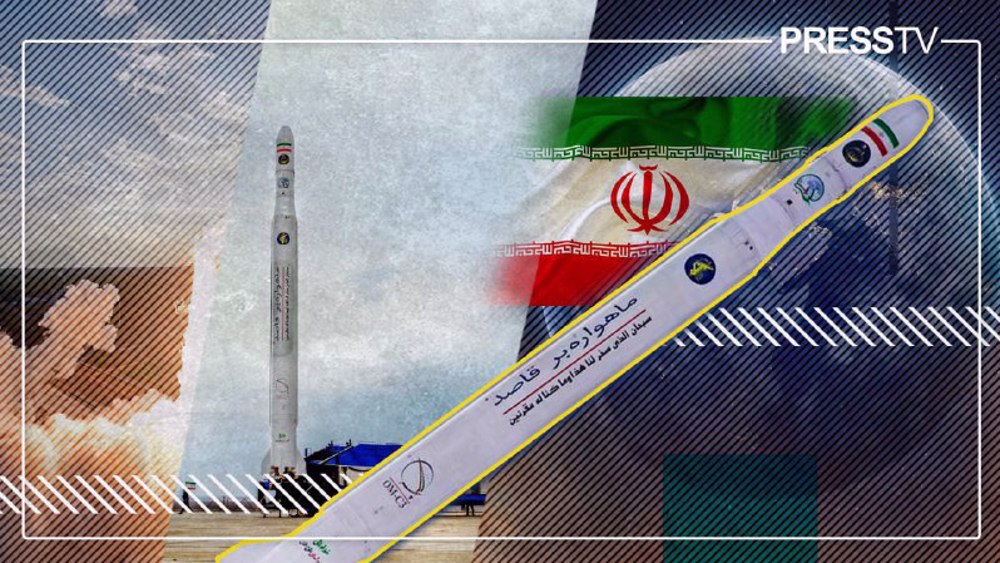
Indigenous rockets such as Qa’em and Simorgh remain prioritized for other state-led missions, making Russian launch services a pragmatic option for private-sector and select civilian projects.
The cooperation is mutually advantageous and unfolds within a broader geopolitical framework. For Russia, it strengthens a technological alliance with a key regional partner and reinforces collaboration in advanced aerospace domains. For Iran, it enables continued progress in satellite deployment while navigating the limitations imposed by international sanctions.
The launch contract for the current mission was reportedly signed with the Russian firm Glavkosmos as early as 2020, reflecting long-term strategic planning.
The successful integration of the Iranian satellites into the Soyuz separation module, completed in late December 2025, demonstrates a high degree of technical interoperability and institutional trust between the two sides.
Together, these developments provide Iran with immediate operational capacity in space, even as it continues to build toward a fully independent, end-to-end space launch and satellite infrastructure in the years ahead.
✍️Feature - Iran poised for landmark year in space with Kowsar, Zafar, and Paya satellite launches
— Press TV 🔻 (@PressTV) September 11, 2025
By @kesic_ivan https://t.co/RMxqONrvXG pic.twitter.com/xWREPWjscV
Envisioning an Iranian satellite constellation
The launch of Kowsar 1.5 is not an endpoint but a critical milestone within a far more ambitious roadmap. For Omid Faza and Iran’s space planners, the ultimate objective is the deployment of a full-scale satellite constellation, tentatively referred to as “Donma.”
This vision is driven by the operational demands of the very applications Kowsar 1.5 is designed to support. Effective monitoring of agriculture, drought, and natural disasters requires high temporal resolution – that is, frequent revisits over the same geographic areas.
A single satellite in low Earth orbit may pass over a specific region only once every few weeks, a cadence insufficient for tracking rapidly evolving phenomena such as crop stress, water depletion, or wildfire outbreaks.
According to company executives, achieving revisit intervals of less than a week – or even daily coverage across Iran’s territory – would require a constellation of roughly 200 satellites. In this context, Kowsar 1.5 functions as a crucial technology demonstrator, validating its imaging payload, satellite bus architecture, and operational procedures in a real orbital environment.
Each subsequent launch is conceived as an incremental step toward full system readiness. Progress is measured not as a single success or failure, but through the cumulative validation of technologies, refinement of performance, and expansion of operational experience from one mission to the next.
The data generated by Kowsar 1.5 will serve immediate agricultural and environmental needs while simultaneously informing the design, deployment, and optimization of future satellites – building, layer by layer, toward a resilient, responsive, and sovereign Earth-observation network.
Sovereignty, strategy, and sustainable development
The upcoming and much-awaited launch of Kowsar 1.5, alongside its companion satellites, encapsulates a multifaceted achievement for Iran and its space program.
From a technological standpoint, it demonstrates concrete progress in remote sensing capability, satellite endurance, and systems integration.
Programmatically, it reflects a mature development model that integrates private-sector innovation with national strategic objectives, while pragmatically leveraging international partnerships in parallel with a sustained push for indigenous capacity.
Crucially, the mission’s emphasis on precision agriculture and environmental monitoring directly connects space technology to sustainable development on Earth, addressing pressing challenges such as water scarcity, food security, land management, and disaster response.
This launch marks a clear transition in Iran’s space program – from early-stage satellite demonstrations to the deployment of operational systems with measurable civilian and economic value.
Cooperation with Russia provides a dependable route to orbit, allowing this progression to continue without interruption.
As the Soyuz rocket lifts off from the Vostochny Cosmodrome, it will carry the outcome of years of focused research, institutional learning, and strategic planning.
The successful operation of Kowsar 1.5 will furnish Iran with a powerful new instrument for managing its natural resources, reinforcing scientific and technological sovereignty, and consolidating its status as an emerging spacefaring nation with distinct, homegrown capabilities.

Iranian academic and entrepreneur wins top prize at BRICS women’s startup contest
Iran unveils two locally-made strategic catalysts for oil, gas and petchem industries amid sanctions
Iranian knowledge-based company develops nanofilters to reduce power plant energy consumption



VIDEO | Press TV's news headlines
Jordan: the Kingdom of compromise - Part 2
University of Tehran scientists develop bio-scaffolds for bone repair
Handala hacker group publishes selfie images of 700 Israeli ‘security’ personnel
Iran Judiciary issues indictments against US, Israeli officials over assassinations
VIDEO | Intl. Nuclear Medicine Congress wraps up in Tabriz
Man convicted of spying for Israel, providing information on missile sites executed in Iran
ICRC: Palestinians in Gaza experience ‘death, destruction’ on daily basis




 PressTV NEWSLETTER
now
PressTV NEWSLETTER
now
 This makes it easy to access the Press TV website
