Iran's cyber prowess: a strategic pillar of national defense and asymmetric power
By Ivan Kesic
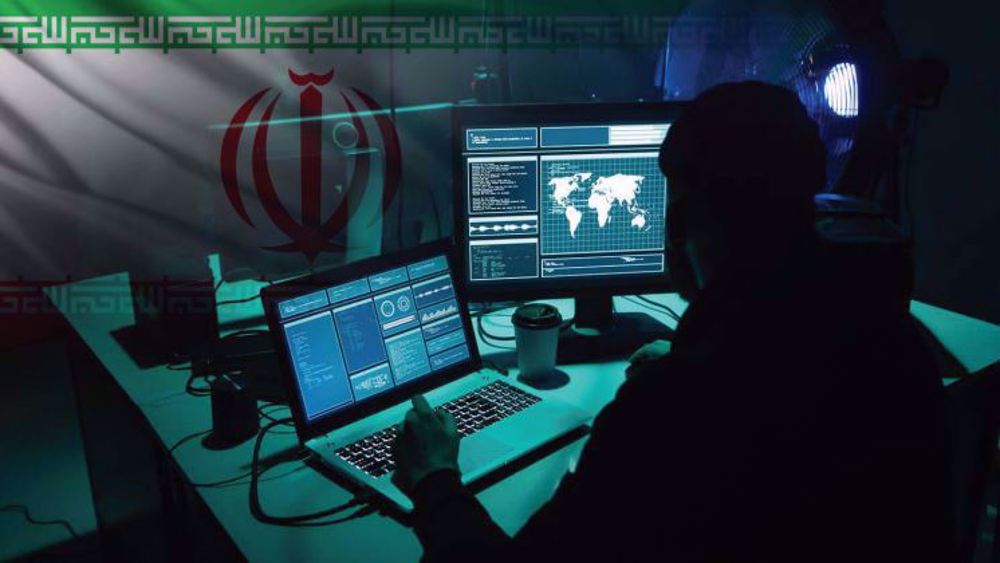
Iran has developed a sophisticated and formidable cyber warfare capability, now recognized as a cornerstone of its national security and a key instrument of asymmetric power projection.
In the shifting landscape of geopolitics, Iran has emerged as a leading cyber power – a status validated by international assessments and the serious concerns voiced by its adversaries.
Through a highly structured ecosystem involving state agencies, military commands, and agile networks across the region, Iran has crafted a comprehensive cyber doctrine focused on intelligence gathering, sophisticated operations, and psychological warfare.
The unprecedented warnings from Israel’s Cyber Directorate recently highlighted the rapid and ongoing evolution of these capabilities, which now represent a strategic-level threat capable of imposing a “digital siege.”
It’s important to explore the architecture, documented operations, and strategic objectives of Iran’s cyber forces, emphasizing their integration within a broader hybrid warfare framework and their significant role in shaping regional dynamics.
From high-profile breaches targeting senior Israeli regime officials to sustained campaigns against critical infrastructure, Iran’s cyber operations showcase a sophisticated and effective approach to modern statecraft and deterrence.
Israeli recognition of Iranian cyber superiority
The potency and development of Iran’s cyber strategy were confirmed in earlier this month by Israel.
At the Cyber Week conference in Tel Aviv, Brigadier General (Res.) Yossi Karadi, head of the Israeli Cyber Directorate, delivered an unprecedented public warning.
He revealed a harsh reality: Iran has moved beyond traditional warfare to employ a doctrine of cyber warfare aimed at crippling the critical infrastructure of the Israeli regime.
General Karadi introduced the concept of a “digital siege” — a scenario in which an entity could be subdued entirely through cyberspace, with power plants disabled, communications severed, and water supplies contaminated.
He directly attributed this threat to “the attack and influence methods Iran has deployed against Israel over the past six months,” confirming that Iranian cyber groups have decisively shifted from intelligence gathering to disruptive and destructive operations.
His disclosure that Israel, despite its small settler population, is at the receiving end of roughly 3.5 percent of all global cyber attacks and ranks as the world’s third most targeted place powerfully underscores the scale and persistence of the Iranian cyber warfare.
The pro-Palestinian hacking group Handala successfully breached the mobile phone of former Israeli Prime Minister Naftali Bennett.
— Press TV 🔻 (@PressTV) December 18, 2025
Follow: https://t.co/B3zXG74hnU pic.twitter.com/bxNguTKpSo
Architectural sophistication: the structure of a cyber power
Iran’s cyber capabilities are anchored in a mature, multi-layered organizational framework that balances coordinated strategic control with operational flexibility and plausible deniability.
At the pinnacle is the Supreme Council of Cyberspace (SCC), responsible for setting national cyber doctrine under the guidance of the Leader of the Islamic Revolution, Ayatollah Seyyed Ali Khamenei.
Operational command is executed by specialized military and intelligence units. The Islamic Revolution Guards Corps (IRGC) leads offensive cyber operations through its Cyber Defense Command and Electronic Warfare Organization.
This effort is supported by the Cyber Defense Command of the regular army and the Ministry of Intelligence and Security (MOIS), which spearheads intelligence and influence operations.
This integrated architecture enables Iran to blend centralized state strategy with decentralized, persistent cyber operations, forging a robust and resilient cyber warfare ecosystem.
Recent months have showcased a series of high-profile operations that highlight both technical capability and psychological ingenuity.
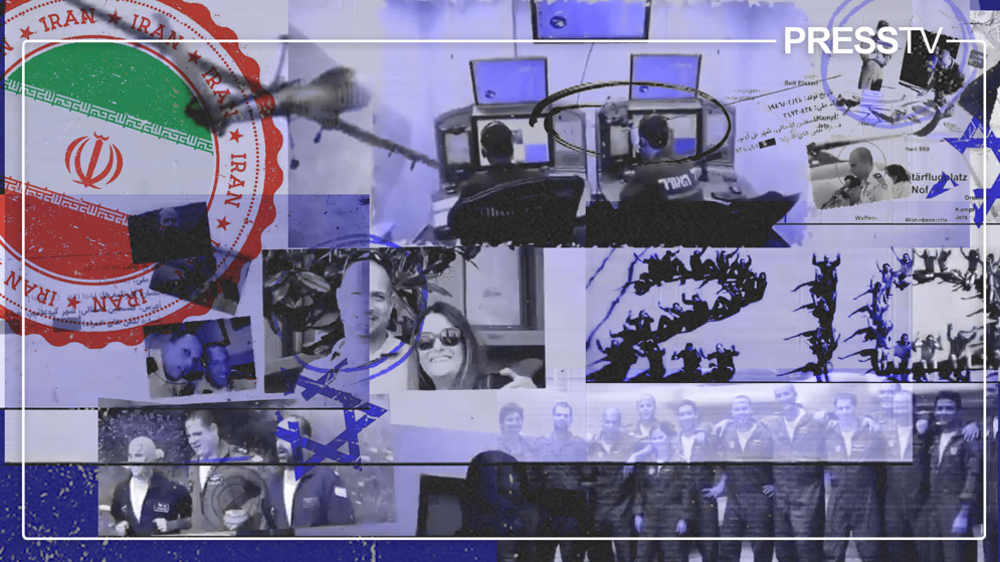
Furthermore, operations have successfully exposed the identity and sensitive research of Israeli nuclear scientists, leaking facility photographs and project details.
These actions, which extend to publishing the personal details of military industry engineers, demonstrate a powerful capability to blend digital intrusion with psychological warfare.
✍️ Explainer: How Iran’s intelligence breached Israel’s nuclear fortress – and why it matters
— Press TV 🔻 (@PressTV) June 8, 2025
By Ivan Kesic https://t.co/XkELqOLxPB
Documented capabilities and evolving tactical playbook
Iranian cyber units demonstrate a wide and adaptive range of capabilities, moving fluidly between espionage, disruption, and influence.
A core strength lies in sustained intelligence gathering, with specialized units expertly targeting military, intelligence, and technology sectors to build comprehensive intel pictures using sophisticated malicious software.
In the realm of disruptive attacks, Iran has repeatedly employed destructive malware designed to erase data and has leveraged ransomware for sabotage rather than financial profit.
The continuous innovation in tools for maintaining covert access underscores an evolving tactical playbook.
Furthermore, Iran has mastered cyber-enabled psychological operations, as confirmed by General Karadi. During a single two-week period, hackers conducted 1,200 distinct influence campaigns, a scale that indicates a highly organized approach to shaping public perception.
Integration and innovation: the hybrid warfare model
A key factor in Iran's cyber effectiveness is its successful integration of digital operations with kinetic and psychological warfare, creating a powerful multidomain pressure strategy.
This "blended playbook" was exemplified in an incident described by General Karadi involving a missile strike on the Weizmann Institute during the 12-day war imposed on Iran.
The physical attack was synchronized with a cyber operation to infiltrate the institute's security cameras, capturing the impact for publicity dissemination, while simultaneous phishing emails containing threats and leaked personal data were sent to staff.
This fusion of physical destruction, cyber intrusion, and psychological intimidation magnifies the overall impact and demonstrates a high degree of operational coordination across Iran's military and cyber commands.
This model also extends to the strategic use of criminal tactics as covers for state-sponsored action, such as deploying ransomware to obscure state involvement, thereby blurring lines of attribution and complicating defensive responses for targeted nations.
The hackers say to have:
— Press TV 🔻 (@PressTV) October 10, 2025
🔺 Gained full control of Delek's internal systems
🔺 Accessed sensitive databases containing 650,000 customer records, military contracts, and the identities of Israeli agents (names, phone numbers, emails, and unique IDs) pic.twitter.com/QiyYJhQZUR
Strategic objectives: imposing cost and shaping the battlefield
Iran's cyber activities are not random but serve clear, long-term strategic objectives central to the country's national defense posture.
Primarily, they function as a powerful tool for asymmetric deterrence and retaliation, providing a deniable and cost-effective means to respond to perceived kinetic actions by adversaries, thereby maintaining constant strategic pressure below the threshold of open warfare.
Concurrently, these operations aim at imposing cumulative cost and insecurity, targeting the Israeli regime's essential utilities, transportation, and services to drain the regime's economic resources and overload military-intelligence agencies.
Furthermore, persistent cyber espionage constitutes a critical intelligence preparation of the battlefield, meticulously mapping critical networks and vulnerabilities within adversarial infrastructure to enable future precision operations.
Collectively, these efforts contribute to Iranian resilience, capability, and reach, both domestically and across the region, thereby enhancing the country's strategic stature.
Historical context and accelerated development
Iran's ascent as a global cyber power is deeply rooted in its experience as a target, which galvanized a determined and well-resourced national cyber security program.
The 2010 Stuxnet attack, a sophisticated cyber-physical assault on its nuclear program, was a pivotal moment that catalyzed Iran's strategic investment in cyber warfare as a domain of vital national interest.
Since then, Iranian cyber experts have demonstrated both the capability and willingness to deploy cyber weapons for strategic effect.
The timeline of incidents illustrates how cyber operations are used in tandem with geopolitical tensions, with a notable surge in activity and sophistication following the Al-Aqsa Flood operation.
In June 2025, the announcement of a successful intelligence operation that secured millions of sensitive Israeli military, intelligence and nuclear documents further underscores its confidence in these capabilities and their integral role in the broader intelligence contest.
This trajectory from a determined responder to an innovative and persistent offensive actor marks a significant evolution in Iran's defense and foreign policy toolkit.
WATCH: How Israeli regime is trying to censor Internet after massive hack of sensitive data pic.twitter.com/NcfOwniZAb
— Press TV 🔻 (@PressTV) September 3, 2024
Defining feature of modern conflict
Iran's comprehensive and continually evolving cyber warfare capabilities represent a cornerstone of its modern defense and foreign policy.
The maturity of its command architecture, the diversity and adaptability of its tactical playbook, and its proven success in integrating cyber effects into a hybrid warfare model demonstrate a sophisticated and highly effective approach.
Assessments from leading cybersecurity entities, combined with grave warnings from the highest levels of the enemy's cyber operations establishment, confirm Iran's status as a potent tier-one cyber actor.
While previous Iranian military assessments have placed its cyber capabilities as the world's fourth strongest, and various foreign analyses consistently rank it within the global top ten, these evaluations precede the recent, demonstrable surge in sophisticated operations.
This positions Iran within an elite stratum of cyber powers, where its demonstrable operational sophistication and strategic impact are paralleled only by the established digital superpowers: the United States, Russia, and China.
In the evolving landscape of international security, where the concept of a "digital siege" is becoming a tangible strategic reality, Iran has firmly established itself as a pioneering and formidable force, capable of shaping conflicts, deterring rivals, and asserting its influence decisively from within the digital domain.
Iran’s heroic defense, assertive diplomacy source of pride for allies: Lebanese MP
Supporting US economic war is an 'act of war': Iran’s top security official warns
Iran’s military chief honors medical personnel for sacrifices in recent wars



IRGC: Economic war main battlefield in confrontation with enemies
Iran’s parliament slams Trump for distorting Qalibaf’s remarks to conceal military defeat
IRGC: Iran’s missile capability remains intact, production continues
VIDEO | US economic war on Iran
Zaidi: Iraq will declare full restoration of national sovereignty on September 30
‘Make America hungry again’: Qalibaf mocks Trump’s claim of victory over Iran
VIDEO | Israeli army refuses to investigate its crimes against aid workers in Gaza
Iranians ready to fight for next 20 generations to defend homeland: Army chief warns enemies




 PressTV NEWSLETTER
now
PressTV NEWSLETTER
now
 This makes it easy to access the Press TV website
