Fearing risks in using Russian assets, EU agrees €90bn Ukraine war loan
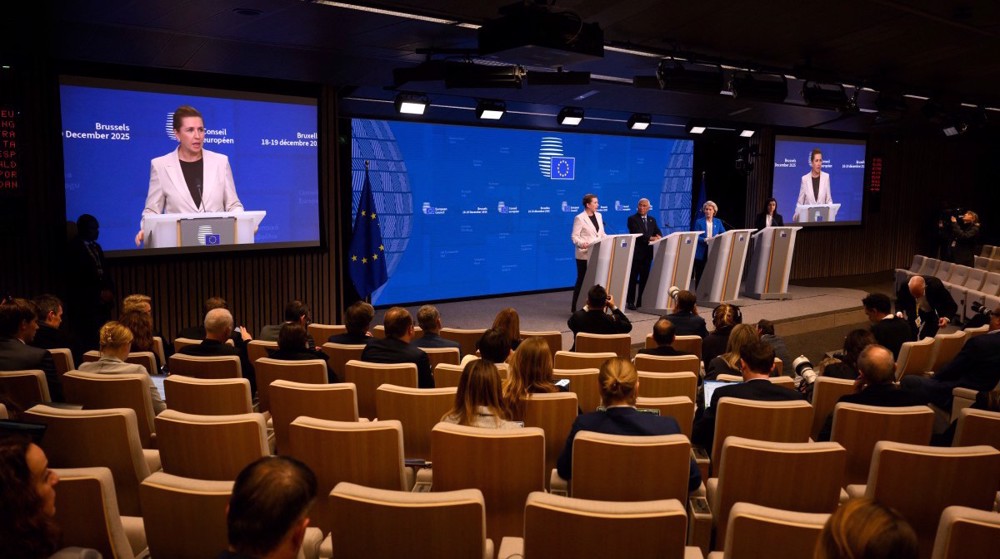
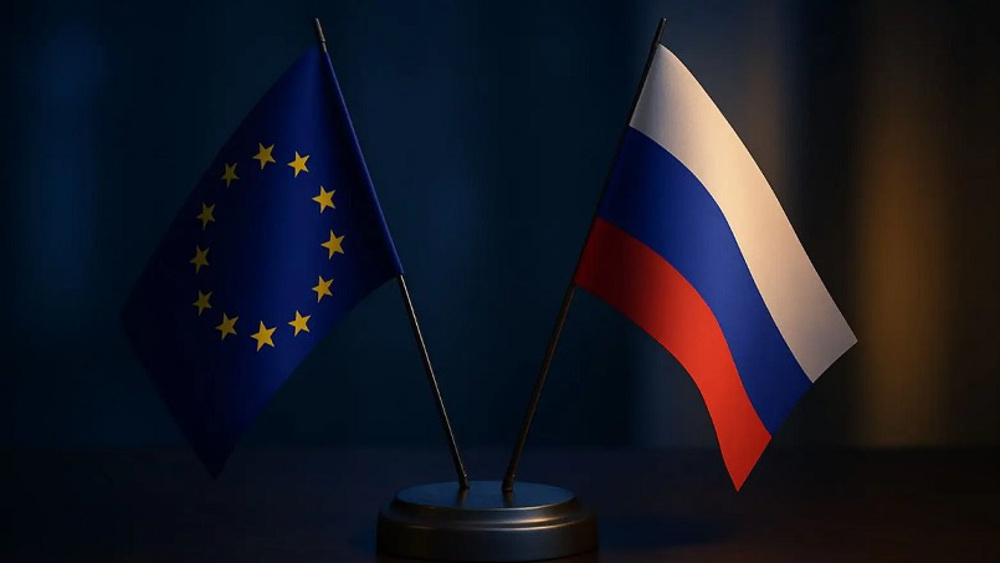
EU leaders have agreed to provide Ukraine with a €90 billion ($98 billion) loan backed by the bloc’s common budget, while shelving plans to use frozen Russian state assets amid legal and financial concerns and repeated warnings from Moscow.
The agreement was reached early on Friday after overnight talks at a summit in Brussels, as the EU sought to secure funding to continue the war in Ukraine over the next two years.
Under the deal, the EU will raise funds through loans guaranteed by its shared budget, abandoning proposals backed by some member states to leverage around €200 billion in Russian central bank assets frozen in the bloc.
The plan failed to win consensus, largely due to objections from Belgium, where most of the assets are held. Belgian officials warned of legal risks and the potential for retaliatory measures that would disproportionately affect the country.
Belgian Prime Minister Bart De Wever welcomed the outcome, saying it avoided significant legal and financial exposure.
“This was extremely risky and raised many unanswered questions,” De Wever told reporters. “Rationality has prevailed.”
Russia has repeatedly warned the EU against using its frozen assets, calling any such move illegal.
On Thursday, Russia’s central bank said it would seek compensation through a Russian arbitration court over the freezing and potential use of its assets held in EU financial institutions, including claims for lost profits.
“In connection with ongoing attempts by EU authorities to seize and illegally use the assets of the Bank of Russia, we declare that compensation will be sought,” the central bank said in a statement, adding that damages of up to $230 billion would be claimed from Euroclear, where most of the assets are held.
EU member states have agreed to maintain an indefinite freeze on Russian central bank assets imposed after the outbreak of the Ukraine war in 2022.
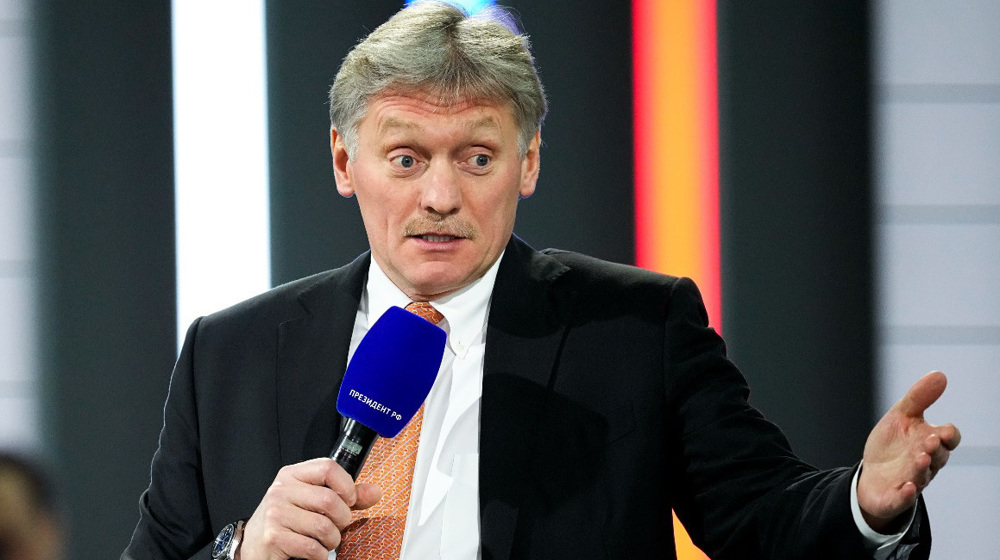
Kremlin spokesman Dmitry Peskov said on Friday that any expropriation of Russian assets would not go unanswered.
“All possible legal mechanisms will be used,” he was quoted by state news agency Tass as saying.
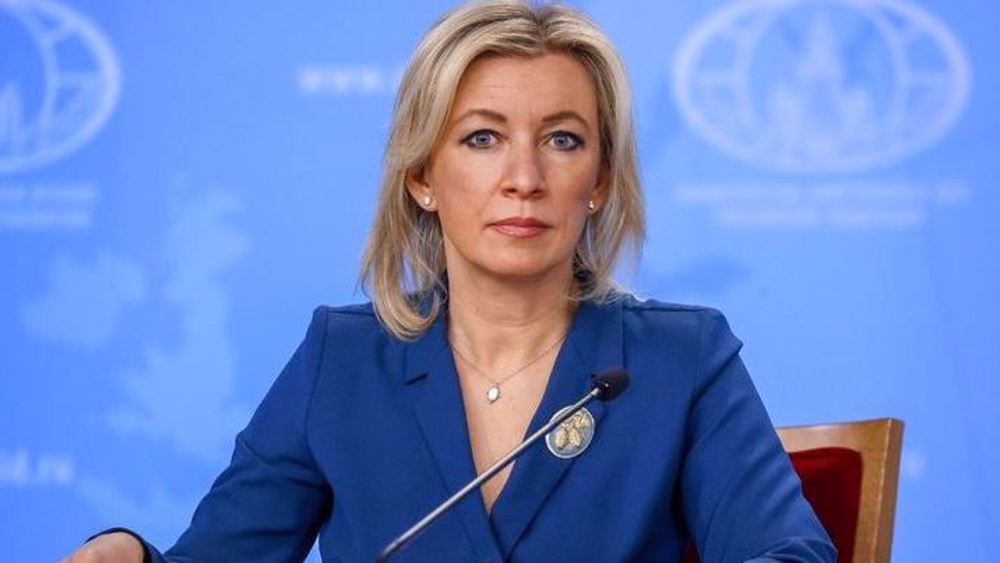
Separately, Russia warned against any deployment of European troops to Ukraine, saying such forces would be considered “legitimate targets.”
In a statement, Russia’s foreign ministry accused the EU of planning to “occupy” Ukraine rather than seeking a settlement.
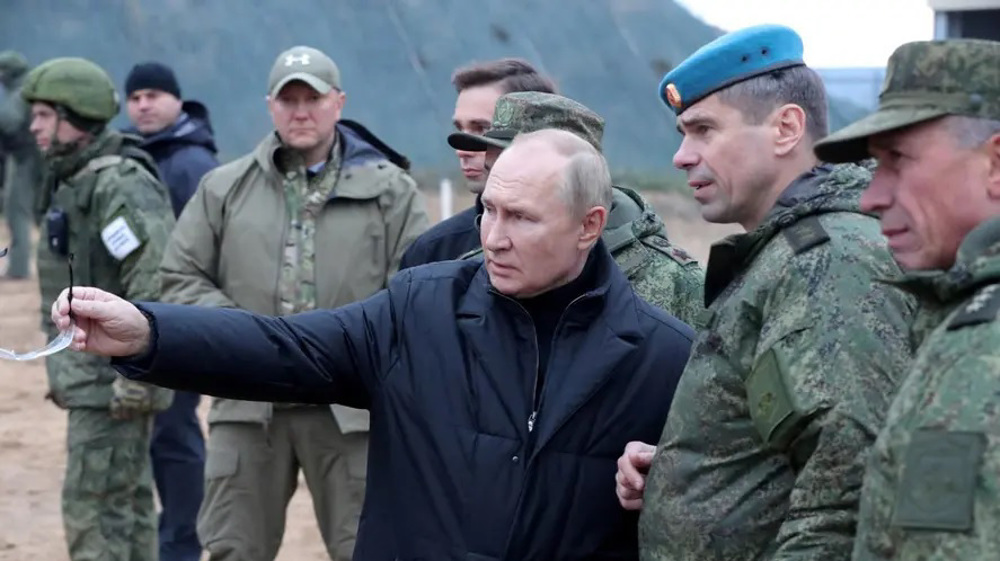
Russian President Vladimir Putin has previously said foreign troops sent to Ukraine would be treated as legitimate military targets.
The developments come amid divisions within the EU over the war and its role in possible peace talks. French President Emmanuel Macron said Europe should engage directly with Moscow.
“It is in our interest as Europeans and Ukrainians to re-engage discussions,” Macron said, adding talks should begin “in the coming weeks.”
Ukrainian President Volodymyr Zelensky said Ukrainian and US delegations were due to hold further talks in Washington on Friday and Saturday, while US President Donald Trump urged Kiev to move quickly towards a deal.
The Kremlin said it was preparing contacts with Washington on a revised peace proposal.
Earlier talks in Berlin involving US, Ukrainian and European officials ended without a breakthrough, with Russia opposing NATO membership for Ukraine and Kiev rejecting territorial concessions.
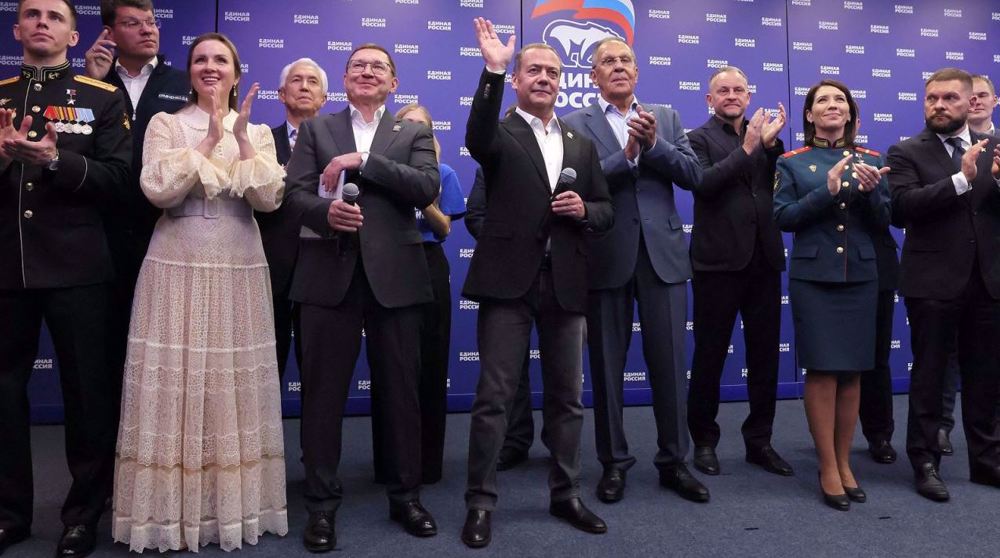
Putin’s United Russia leads wartime parliamentary elections
Moscow intercepts massive Ukrainian drone strike amid elections; civilian casualties reported
Russia, China veto US backed anti-Iran resolution at UN Security Council



Leader’s advisor: Any foreign forces attempting to land in Iran ‘will certainly be destroyed’
VIDEO | Press TV's news headlines
VIDEO | Priests rally in Rome to honor Palestinian, Lebanese children murdered by Israel
Iran’s military warns of ‘unpredictable blows’ in response to US threats
VIDEO | US economic war on Iran
Iran FM meets with US envoy on UN meeting’s sidelines at American side’s insistence: Report
UN chief warns Israeli violence in West Bank raises ‘specter of ethnic cleansing’
VIDEO | ‘Korea gets nothing, loses everything, with Hormuz deployment’


 PressTV NEWSLETTER
now
PressTV NEWSLETTER
now
 This makes it easy to access the Press TV website
