CIA whistleblower: Democrats, Republicans united in Epstein cover-up to protect powerful ‘perverts’
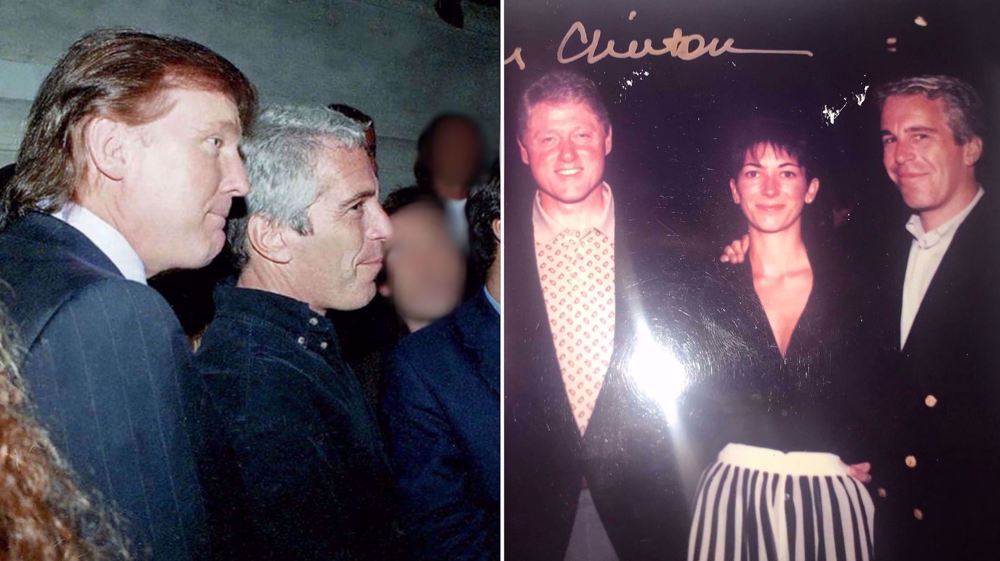
A CIA whistleblower says powerful figures in both major US parties are blocking the release of the unredacted Jeffrey Epstein files, as it would jeopardize entrenched interests.
Speaking on the latest episode of British journalist Afshin Rattansi’s Going Underground broadcast that was released on Monday, John Kiriakou said that the long-promised disclosure of the files related to the disgraced human trafficker and financier, who died in 2019, has stalled because it threatens individuals across the political spectrum.
He rejected the idea that the issue was partisan, saying sexual abuse and corruption stretched across both the Republican and Democratic strands of American politics.
According to Kiriakou, President Donald Trump has pledged to release the unredacted files, but has since hesitated, a reversal he linked to the scale of potential fallout.
He said there were “Democratic perverts, just like there are Republican perverts,” many of whom hold significant power, and that these figures had a shared interest in preventing the information from becoming public.
Kiriakou said he was pessimistic that the files would ever be fully released, citing bipartisan efforts to “kill this information” and make it disappear.
While acknowledging pressure from parts of Trump’s so-called “Make America Great Again (MAGA)” political base to honor the pledge, he argued that Trump appeared to believe he could withstand that pressure and outlast the controversy.
✍️ Feature - Epstein’s Pandora’s box: The high-profile names alongside Trump in the ‘hall of shame’
— Press TV 🔻 (@PressTV) November 21, 2025
By Maryam Qarehgozlou
Read More: https://t.co/3i5eP6Iw47 pic.twitter.com/zPlXWgQ3R6
‘CIA running systematic propaganda operation through Hollywood’
In the same interview, Kiriakou stressed that the CIA was maintaining a dedicated operation to shape public perception through film and television, calling Hollywood a central pillar of US intelligence “soft power.”
He said the agency operated a unit within its Office of Public Affairs, whose sole task was to collaborate with major studios, ensuring that CIA-related productions delivered a positive portrayal of the agency.
While the American law supposedly prohibits the CIA from “propagandizing” the American public, Kiriakou said this restriction was routinely circumvented through entertainment media.
As an example, he cited Zero Dark Thirty – a 2012 movie purporting to portray a drawn-out manhunt for former al-Qaeda chief Osama bin Laden –saying the filmmakers had received classified briefings from CIA officials, arrangements he described as illegal and propagandistic. Rather than being punished, however, the film was celebrated within the agency, he added.
Kiriakou added that this media influence extended beyond cinema into the broader corporate news ecosystem, which he described as concentrated in the hands of a small number of conglomerates.
This, he said, leaves most Americans exposed to what he called a steady diet of intelligence-aligned narratives rather than independent journalism.
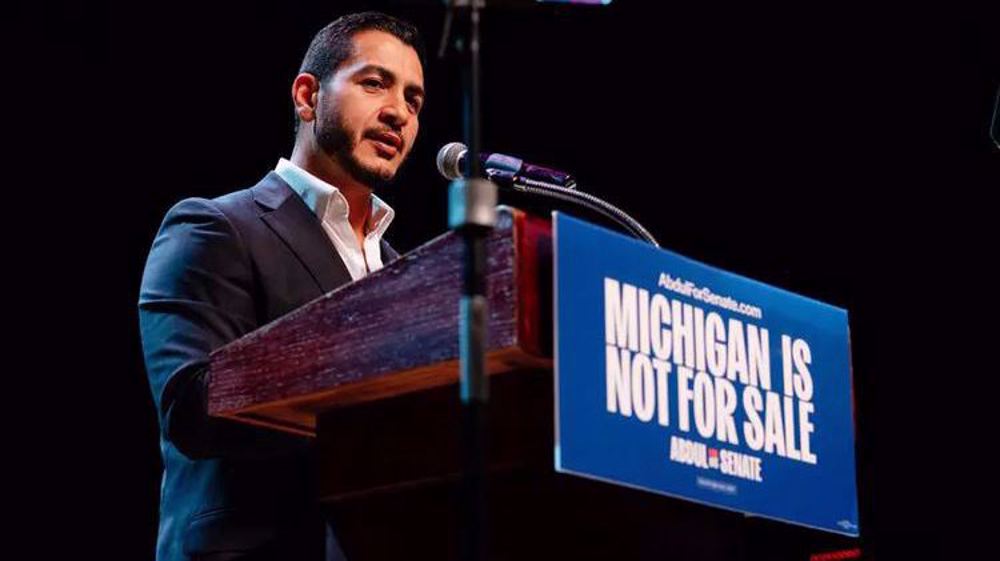
AIPAC eyes another push against El-Sayed after $32 million defeat in Michigan primary
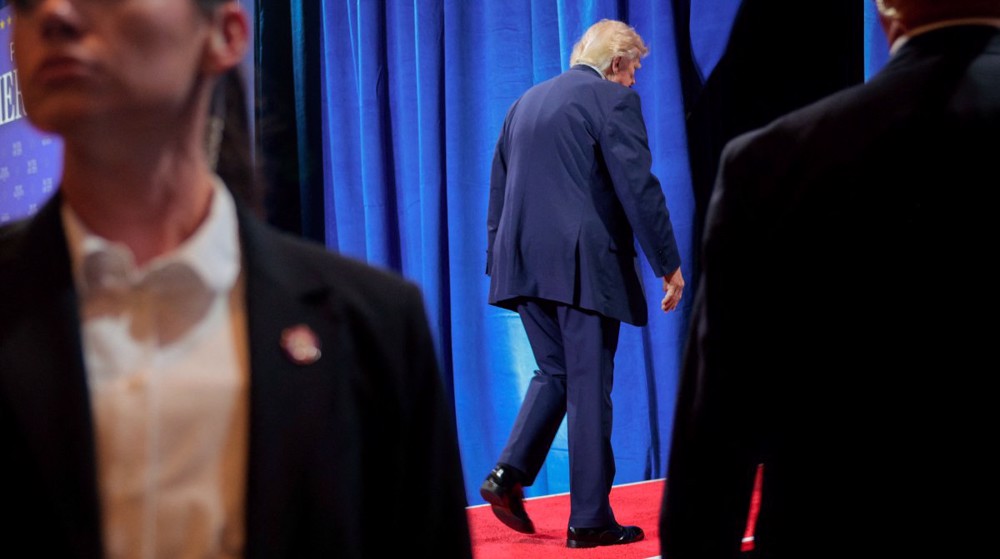
US judge halts order requiring Trump to hand financial records to BBC
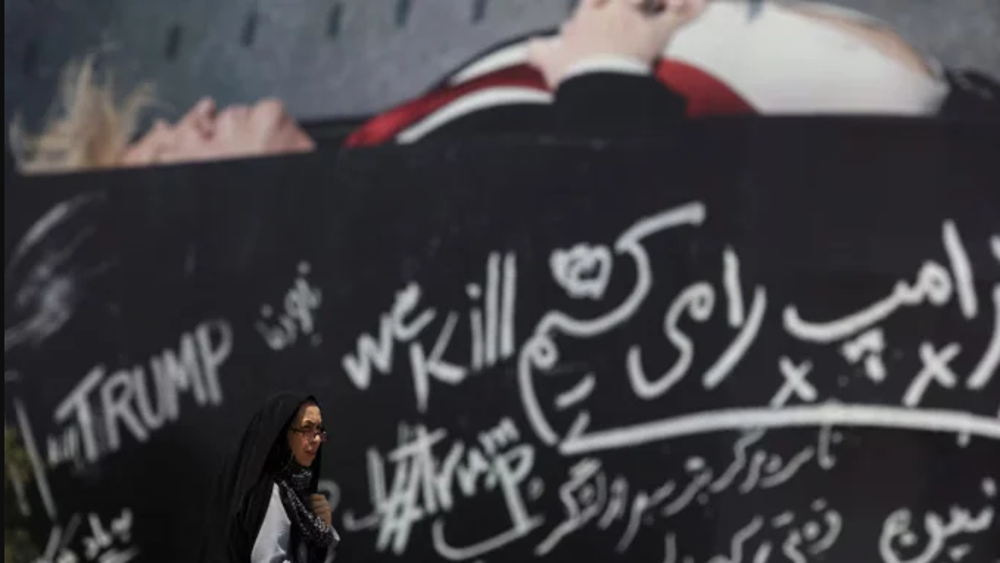
Poll: Most Americans expect greater chaos from US war on Iran



US immigration arrests hit record monthly high as Trump administration expands enforcement campaign
US, Israel have no answers for repeated failures: IRGC’s Tehran commander
VIDEO | Analyst: Iran’s push for strait control challenges US regional role
VIDEO | London Arbaeen procession highlights message against Islamophobia
VIDEO | Saudi blockade on Yemen continues amid rising humanitarian toll
Israel nearly doubles number of Palestinian children held without charge: Report
VIDEO | Conditions for reopening Strait of Hormuz
VIDEO | UNICEF says 300 Gaza children killed since ceasefire came into effect in October 2025


 PressTV NEWSLETTER
now
PressTV NEWSLETTER
now
 This makes it easy to access the Press TV website
