
Iraq has withdrawn a controversial decision to label Lebanon’s Hezbollah and Yemen’s Ansarullah resistance movements as terrorist organizations, a move widely viewed as the product of US pressure and part of Washington and Tel Aviv’s broader campaign to weaken the regional Axis of Resistance.
Iraq’s political arena erupted after the Official Gazette published Resolution No. 61 - issued by the Committee for Freezing Terrorist Funds - listing twenty-four entities as “terrorist,” including Hezbollah and Ansarullah.
Iraqi media soon revealed that the list appeared in Issue No. 4848 of the gazette, dated 17 November, even though it had supposedly not completed its final revision.
According to the gazette, the move was based on a “confidential” report submitted by Iraq’s Anti-Money Laundering and Counter-Terrorism Financing Office.
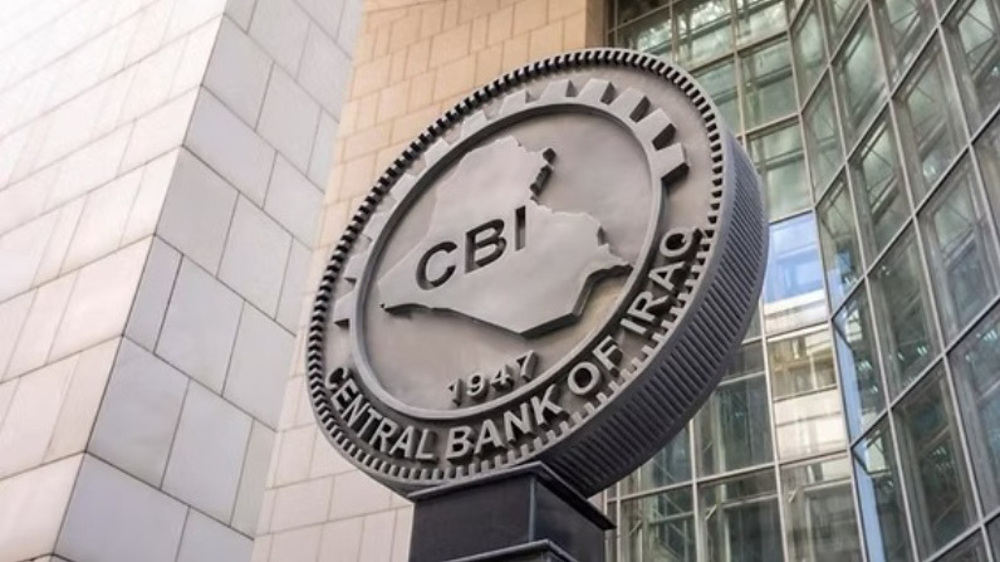
In a statement, the Iraqi Central Bank’s Committee for Freezing Terrorist Funds noted that the said resolution was based on a request from Malaysia and on a UN Security Council resolution related to freezing assets linked to Daesh or al-Qaeda Takfiri terrorist groups.
According to the listing, the movable and immovable assets of both Hezbollah and Ansarullah inside Iraq would be frozen, allegedly for “participation in a terrorist attack.”
The publication triggered immediate outrage because both groups are central to the regional resistance and have no connection whatsoever to Daesh or al-Qaeda.
The backlash from lawmakers, political parties, and the public was swift, with Iraqi legislators such as Muqdad Khafaji, Hussein Munes, and Mustafa Sanad condemning the move as shameful, illegal, and unprecedented, stressing that even Arab regimes hostile to the resistance had not taken such a step.
“Iraq now classifies the Houthis [Ansarullah] and Hezbollah as terrorist organizations while Trump is being nominated for a Nobel Peace Prize. It is a shame. Many Arab states have avoided such a step. The prime minister’s speech at the Arab summit two years ago now appears meaningless,” Sanad said.
The Iraqi Central Bank also admitted in its statement that it had included Hezbollah and Ansarullah “mistakenly” and that they “have no terrorist links to either organization.”
It stressed that the document had been released before it was fully revised, noting that the Official Gazette would be amended to remove the unrelated listing.
A letter signed by Deputy Governor of the Central Bank of Iraq Ammar Hamad Khalaf was also issued regarding the cancellation of Resolution No. 61 by the Committee for Freezing Assets.
The media office of the Iraqi prime minister said in a statement announcing that Prime Minister Mohammed Shia al-Sudani had issued an immediate order to conduct an urgent investigation into the matter and take legal action against those responsible for the decision.
Despite these official explanations, informed Iraqi sources were reported as saying that the committee operating under the Central Bank had acted under directives from the US Treasury’s Office of Foreign Assets Control (OFAC).
The structure of the committee itself, consisting of senior officials from multiple ministries as well as military and intelligence officers, highlighted the seriousness of the attempted infiltration and the scale of US influence reaching into Iraq’s financial and regulatory bodies.
US officials, including Secretary of State Marco Rubio and special envoy Tom Barrack, have delivered “tough messages” to Baghdad, warning of impending Israeli aggression against Hezbollah and threatening harsh retaliation if Iraqi resistance factions intervened.
The blacklisting debacle in Baghdad mirrors a wider US-Israeli campaign stretching from Iraq to Lebanon and Yemen.
 This makes it easy to access the Press TV website