BBC leadership crisis: Board member Shumeet Banerji resigns over governance failures
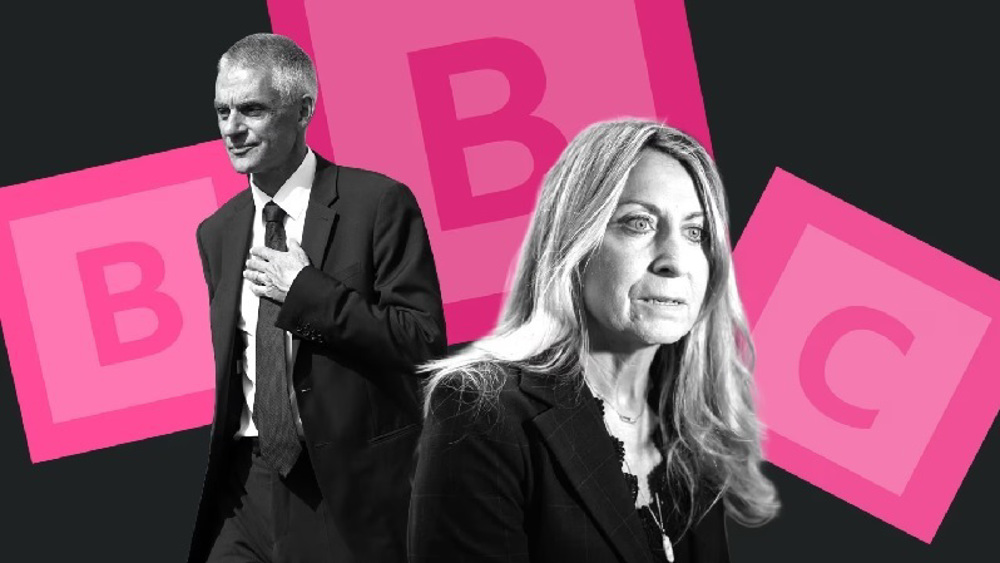
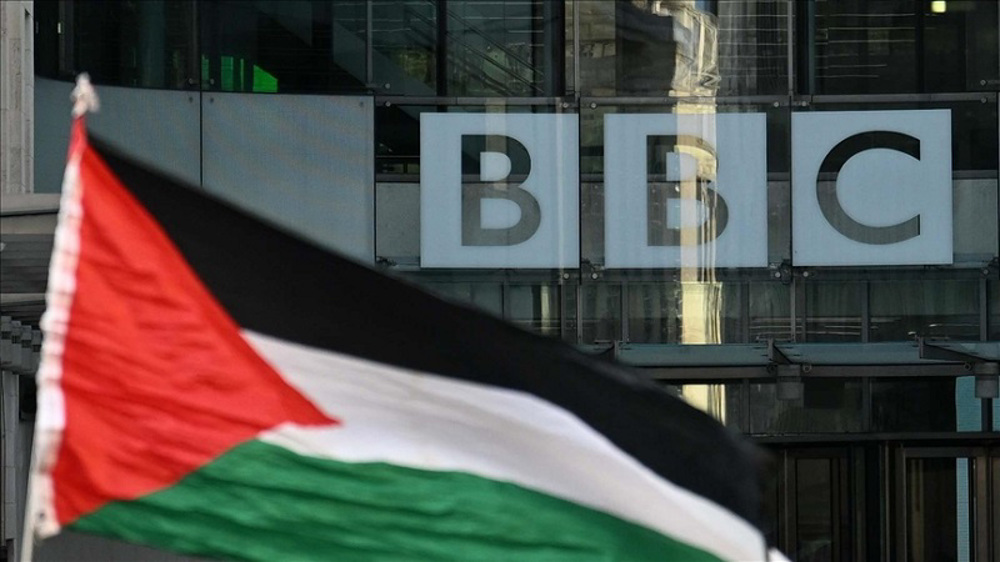
Under mounting external political pressure over its coverage of global conflicts, Shumeet Banerji has quit the BBC board, denouncing governance failures and deepening the broadcaster’s leadership crisis.
He said in his resignation letter that he had not been consulted about key developments surrounding the abrupt exits of Director-General Tim Davie and BBC News Chief Executive Deborah Turness, BBC News reported.
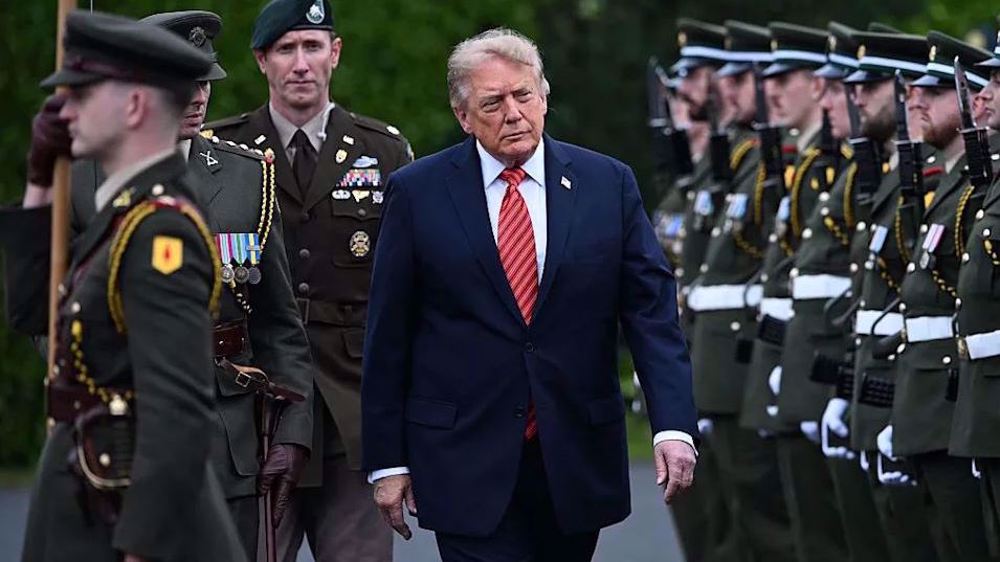
Davie and Turness stepped down earlier this month after The Telegraph published an exclusive report, saying it had seen an internal BBC memo proving that its flagship Panorama spliced together two parts of a speech by US President Donald Trump with the intent to show him explicitly encouraging the storming of the US Capitol.
The dispute focuses on Panorama’s documentary, Trump: A Second Chance?
Trump and his allies claim the sequence was misleading and stripped away crucial context from the speech.
The BBC then issued an apology for how its investigative program Panorama edited the program, but insisted there was “no legal basis” to sue for defamation.
Media lawyer Jonathan Coad said that the one-billion-dollar lawsuit against the news network “will be as damaging as it possibly can be” and that “the cost of them going to a trial is something they cannot bear.”
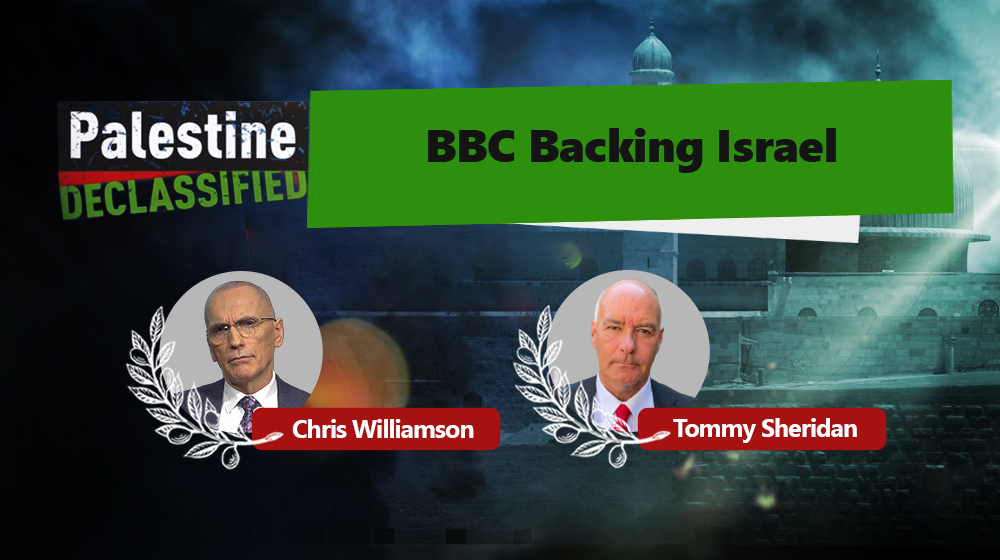
To media analysts, these resignations are not merely about Trump, but a powerful influence from the US and the Israeli lobby on the country.
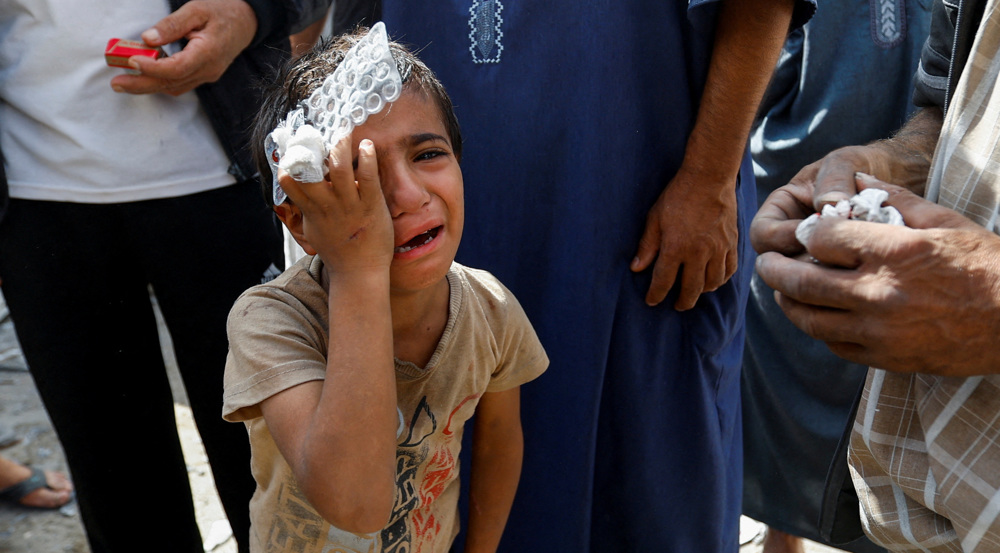
Journalist and media expert Ammar Kazmi asserts that the issuance of a statement by the Israeli embassy showing contentment about the resignations in the BBC illuminates that the British outlet is heavily compromised, and its “so-called journalism is vetted by the Zionist regime in and of itself.”
This was particularly evident when the BBC faced significant criticism after removing the documentary “Gaza: How To Survive A Warzone” from its iPlayer platform earlier this year.
The BBC’s decision to pull the documentary followed mounting pressure from pro-Israeli advocates, including the Israeli ambassador to the UK, and statements from British government officials, including Culture Secretary Lisa Nandy, who had indicated she would be engaging in discussions with the BBC over the matter.
“Whenever it dares to publish anything vaguely critical of the Zionist entity, they are heavily lobbied, and they are pressured by Zionist lobby groups here in Britain, and they almost always cave (in) to that pressure,” says Ammar Kazmi.
Last year, more than 230 members of the media industry, including 101 anonymous BBC staff, sent a letter to then-Director-General Tim Davie, urging the British network to “recommit to fairness, accuracy, and impartiality” in its reporting on Israeli atrocities in Gaza.
Irish, Scottish and Welsh leaders to meet to discuss UK break-up

UK chancellor sounds alarm over economic fallout from war on Iran
UK to adopt 'comprehensive' measures against Israel over West Bank settlements



Yemeni scholars call Saudi Mecca claim a ‘pure fabrication'
VIDEO | Israeli siege forces Gaza hospitals to cut services
Grand Ayatollah Shobeiri Zanjani passes away at age of 98
Yemen pledges to escalate campaign to break Saudi blockade
VIDEO | Iran's warning to US, regional allies
Gaza health system nears collapse amid shortages and fuel crisis
Saudi Arabia bombs Yemen 760 times since escalating aggression
VIDEO | Press TV's news headlines


 PressTV NEWSLETTER
now
PressTV NEWSLETTER
now
 This makes it easy to access the Press TV website
