
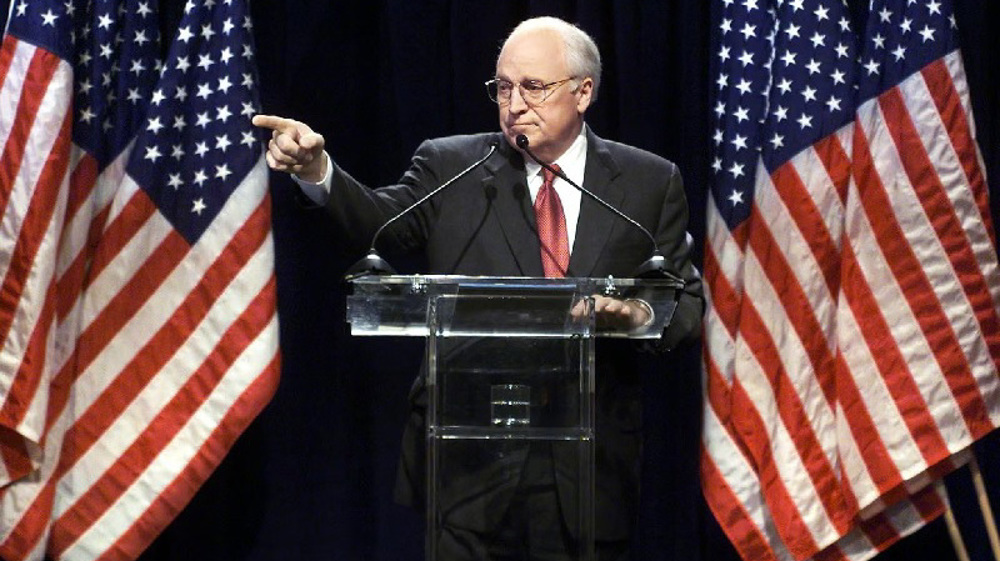
On November 4, former US Vice President, Dick Cheney died at the age of 84 following complications from pneumonia and long standing cardiovascular disease.
Cheney’s health, like his politics, was defined by persistent challenges.
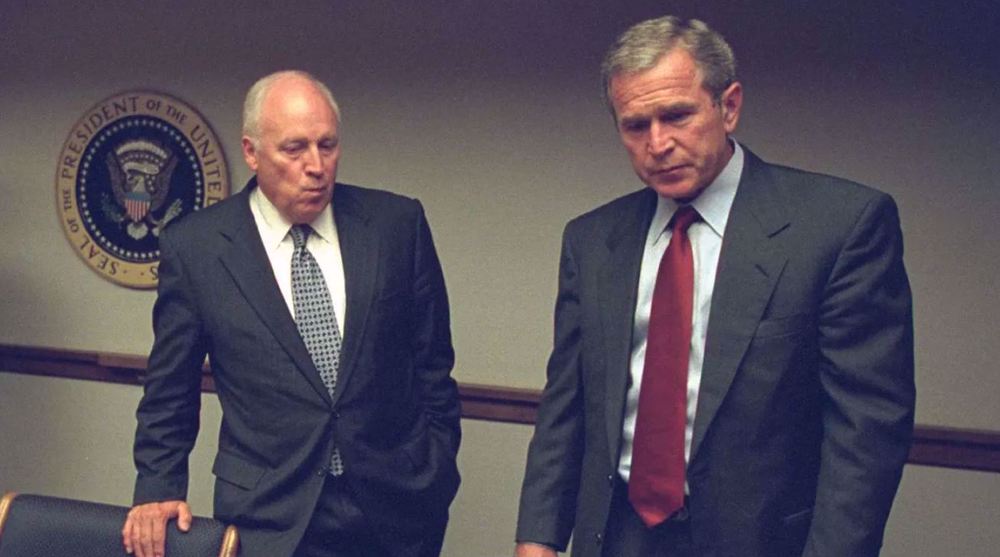
For eight years, Dick stood by my side and always did what was right for our nation - could not have asked for a better Vice President than Dick Cheney.
Former US President, George W Bush
Even a heart transplant in 2012 couldn't soften the image many held of him, a man seen by some as a patriot, and by many others, as the cold architect of an era of endless bloody war.
When I think of Dick Cheney I, of course, think of the Iraq war and the war in Afghanistan, how many US lives were lost, and others and you know the failure of those efforts, I think Dick Cheney's legacy will be a reevaluation of American global dominance and the effort to impose hegemony across the world and police the world in a way that's probably not sustainable.
Member of Public

Few American leaders have left such a divided legacy. Cheney was not merely a vice president. He redefined the office, transforming it from a ceremonial seat into a command post for America's war on terror.
Behind the Scenes of the George W Bush administration, Cheney pulled the levers of power that would lead the US into the invasion of Iraq, a war built on the phantom menace of weapons of mass destruction.
Organizations like al Qaeda, and those who hold, or are proliferating knowledge about weapons of mass destruction, so the concern is very real, it's very great, and we need to find ways as we go forward, to make certain that the terrorist never acquires that capability and that it can never be used against the United States or the United Kingdom or allies.
Dick Cheney, Former US Vice President
None were ever found, yet Cheney maintained, until his death, that the war was justified.
His influence stretched back decades as Defense Secretary under President George H.W. Bush, 1989 to 1993; Cheney oversaw US victories in Panama and the Persian Gulf, even as he began scaling down military spending after the Soviet collapse.
On my orders, the United States military has begun strikes against al Qaeda terrorist training camps and military installations of the Taliban regime in Afghanistan.
Former US President, George W Bush
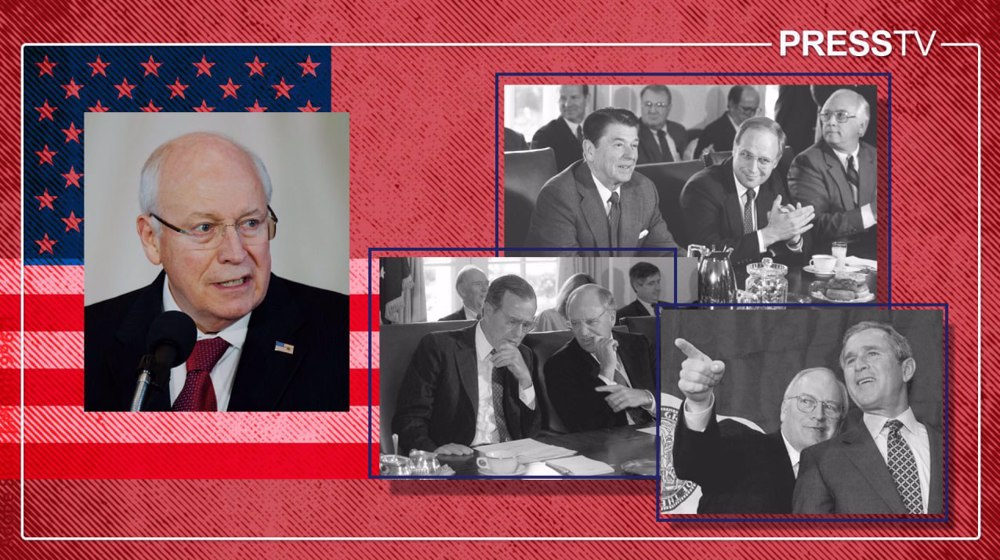
Yet, when he returned to public life under Bush's son in 2001, it was with a very different mission: to expand American power abroad and at home.
Between those two eras, Cheney led Halliburton, the oil and engineering giant that would later profit immensely from the very wars he helped to wage.
Under his leadership, Halliburton became a symbol of the privatized military industrial complex, a world where war and profit were intertwined.
Cheney was a key figure in the early history of the privatized military industry.
It now encompasses hundreds of firms, thousands of employees and billions of dollars in revenue.
Peter Singer, Author
Back in Washington, Cheney pursued a long-held conviction that the presidency had been weakened since the Watergate scandal.
His solution was to reclaim power for the executive branch using the post 9/11 fear and chaos to expand surveillance, secrecy, and the state authority to unprecedented levels.
The Patriot Act, which he championed, gave the US government sweeping new powers of spying and detention; powers often turned against Muslim Americans under the guise of national security.
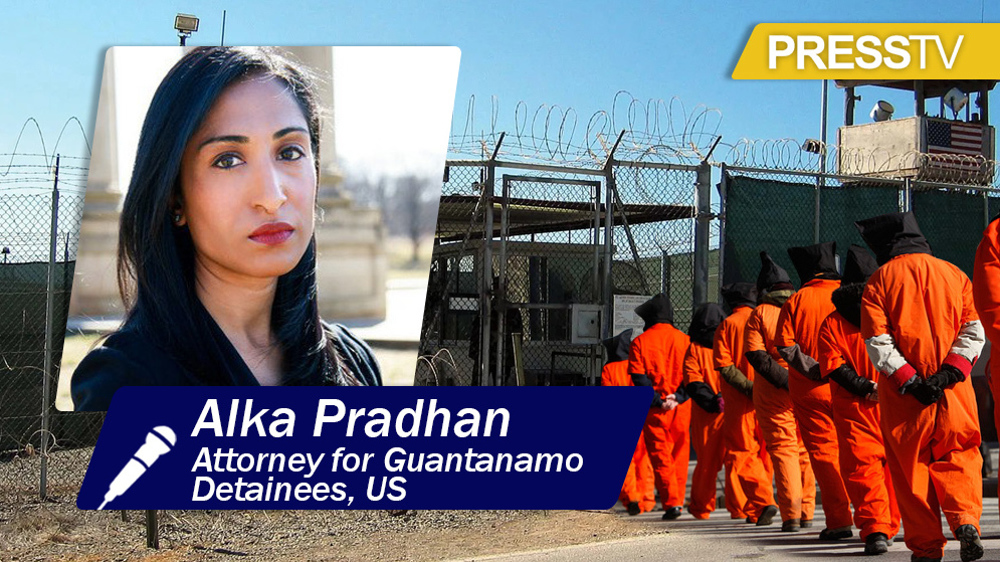
Meanwhile, Cheney's War on Terror overseas metastasized into torture, black sites and indefinite detentions.
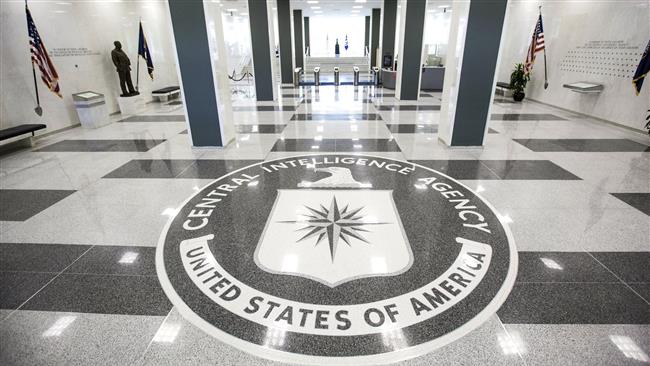
Under his watch, the US employed so-called enhanced interrogation techniques at Guantanamo Bay and CIA facilities worldwide, practices that violated international law and left a lasting stain on America's reputation.
Many of those detained were never charged with a crime.
My sort of overwhelming view is that the enhanced interrogation techniques were absolutely essential in saving thousands of American lives, in preventing further attacks against the United States and giving us the intelligence we needed to go find al Qaeda, to find their camps, to find out how they were being financed.
Dick Cheney, Former US Vice President
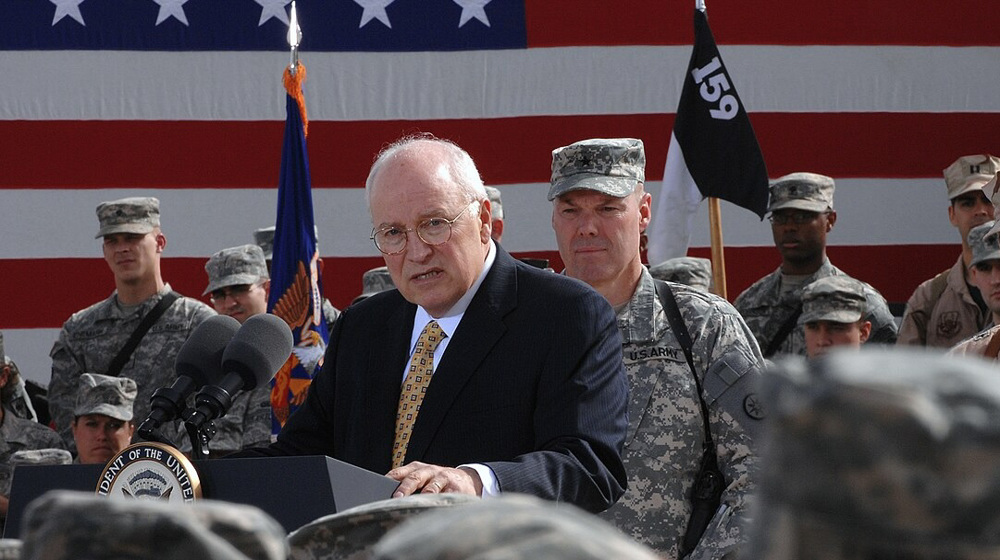
The consequences of Cheney's policies remain staggering.
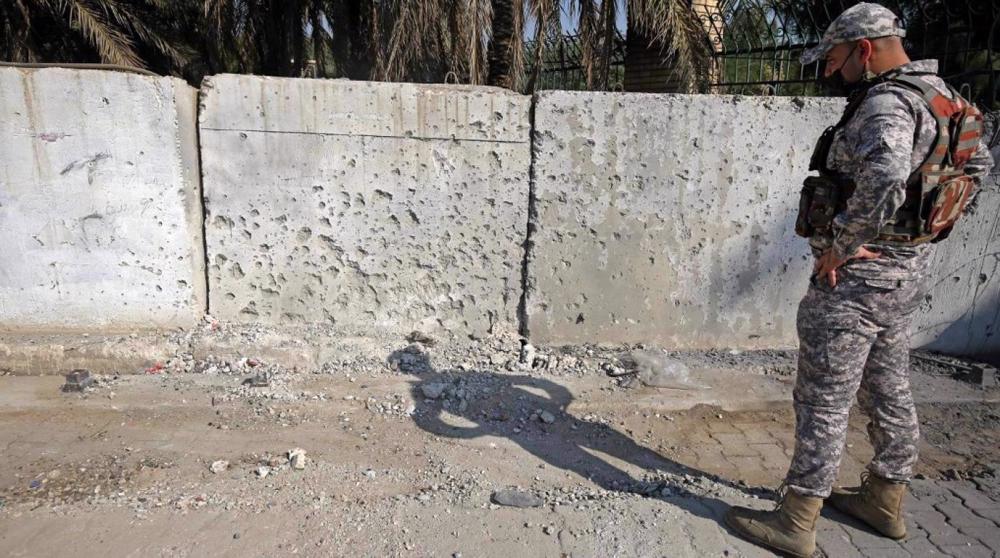
The Iraq war, waged on false pretenses, cost trillions of dollars and hundreds of thousands, perhaps millions, of lives.
It destabilized West Asia, fueled the rise of extremist groups like Daesh, and left behind a generation of veterans scarred in body and mind.
Domestically, the financial and moral capital spent in the war hollowed out the very foundations of the society Cheney claimed to defend.
Saudi Arabia is making raids and arrests.
Libya is dismantling its weapons programs.
The army of a free Iraq is fighting for freedom, and more than three quarters of Al Qaeda’s key members and associates have been detained or killed.
George W Bush, Former US President
In Cheney's worldview, the US could, and should, strike first against any possible threat.
This became known as the 1% doctrine: if there was even a 1% chance of danger, America must act as if it were certain.
That logic reshaped foreign policy, turning preemption into a permanent posture and suspicion into strategy.
The Cheneys are die hard globalists and warmongers who have been plunging us into new conflicts for decades, spilling American blood and spending American treasure all over the world.
Donald J Trump, US President
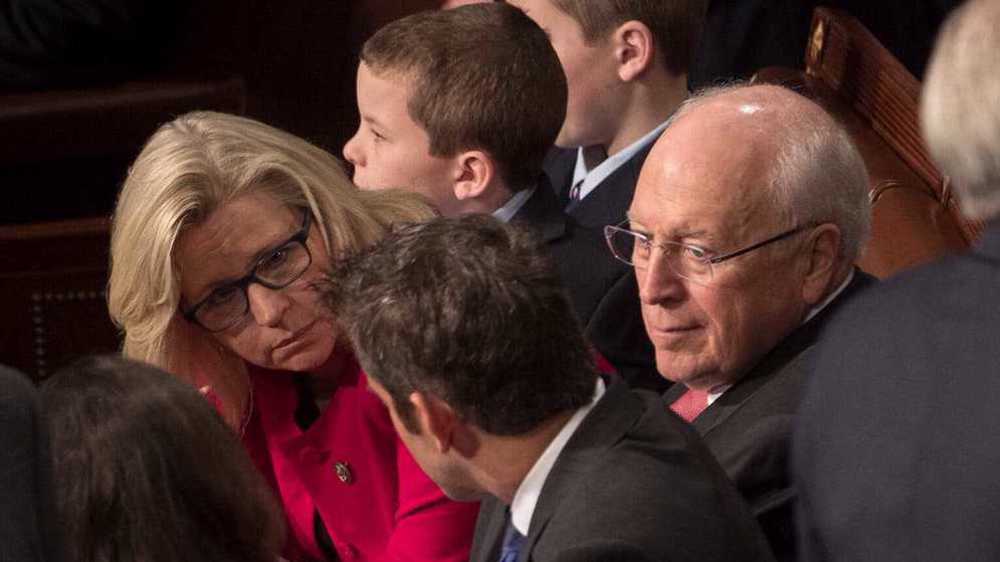
To his critics, Cheney embodied the dark heart of American power, a man who saw the world in absolutes and acted without remorse.
To his admirers, he was a realist who understood that strength, not sentiment, secured the nation's safety.
But as time passes, it is the costs of his choices, not the intentions, that define his legacy,
Because he was very much a proponent of some of the more controversial policies of the George W Bush administration, whether you're thinking about sort of enhanced interrogations or torture, essentially, if you're thinking about sort of surveillance, the Patriot Act or surveillance, also domestic spying on Americans, and, of course, his most hawkish line on the war in Iraq, and being largely unapologetic about it.
I think many of those issues played into the perception of Dick Cheney not being the most sympathetic character to his opponents.
Professor Garret Martin, American University School of International Service
From the oil fields of Halliburton to the war rooms of Washington, Cheney's career charted the rise of a new kind of empire, one driven by fear, technology, and private profit.
The surveillance state, the normalization of torture, and the unchecked growth of private military contractors can all trace their roots to his years in power.
Even the politics of resentment and fear that later fueled Donald Trump's rise bear Cheney's fingerprints.
Dick Cheney lived much of his life with a damaged heart.
In 2012, medical science gave him a new one. But in much of the world, especially across West Asia, many believed he never had one at all.
 This makes it easy to access the Press TV website