Tribute: Mohammad Kasebi, pioneering Iranian actor and champion of revolutionary art
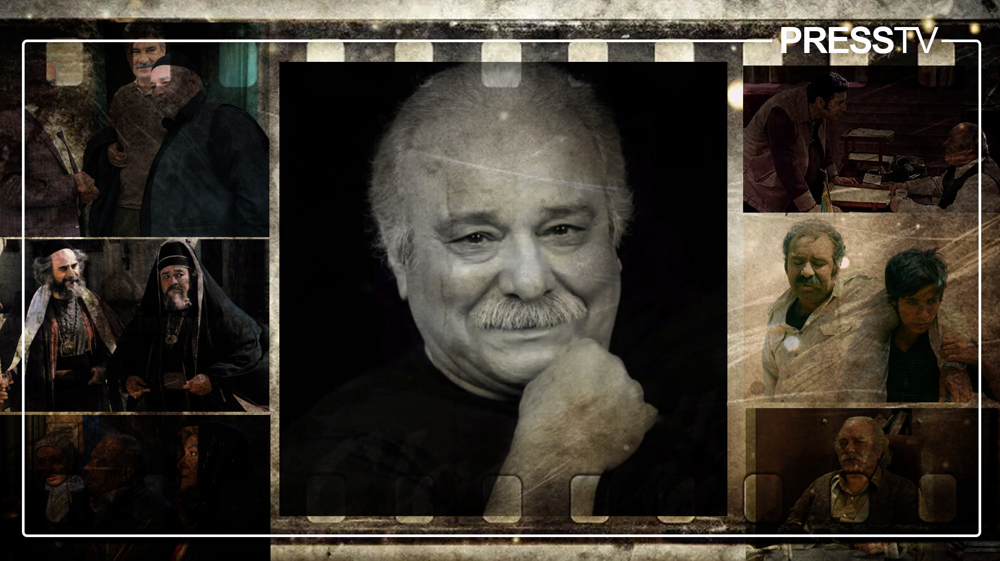
By Humaira Ahad
“I’m in love with the enchanting eyes of Martyr Soleimani… his gaze was like an ocean of affection.”
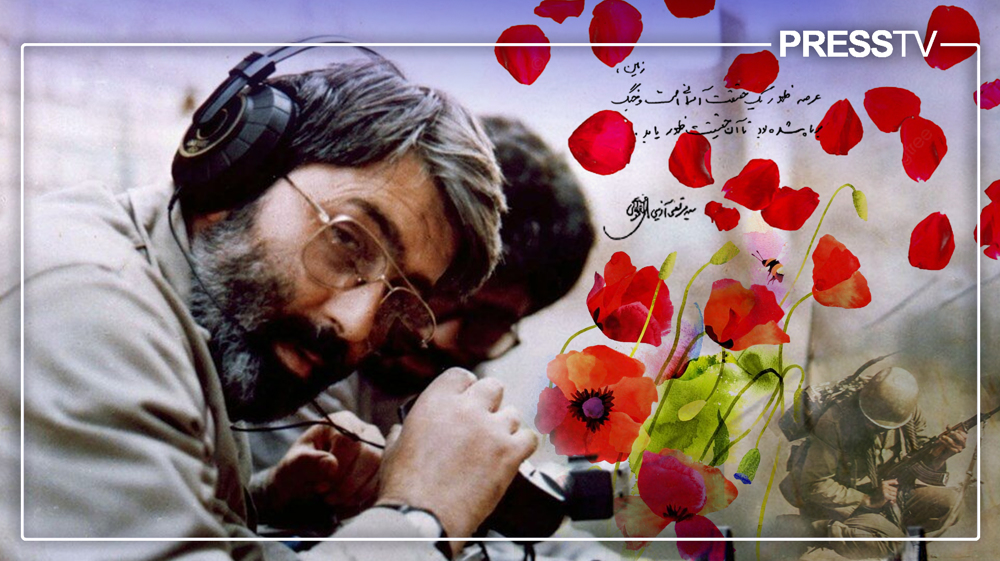
A viral video shows Mohammad Kasebi appearing in a television program and expressing his admiration for the martyred top anti-terror commander General Qassem Soleimani.
Kasebi, born on May 25, 1951, in Tehran, was a veteran actor, director, and cultural organiser whose work spanned theatre, television, cinema, and cultural institutions.
His heartfelt remarks about General Soleimani reflected a worldview shaped by ethical devotion and loyalty to the principles of the Islamic Revolution.
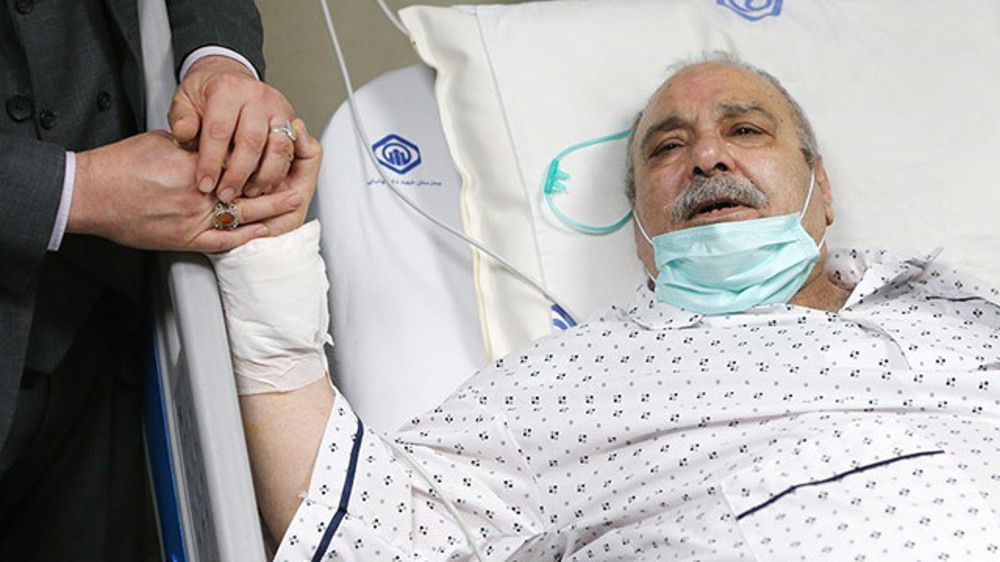
He passed away on Saturday after a brief spell of illness at the age of 74.
Early life and education
Kasebi’s engagement with the arts began at 13, performing at Tehran’s youth palace. He later joined the Tehran Theatre Department after completing military service, and entered the College of Dramatic Arts in 1974, majoring in acting and directing.
Initially admitted to study medicine, Kasebi abandoned the field to pursue his artistic calling, a decision that would ultimately align with his dedication to cultural work as a service to society and moral development.
During his student years, Kasebi immersed himself in both classical and contemporary works like A Long Performance, Medea, Moonlight for the Deprived, Sing in the Fog, and The Best Father in the World.
His voice, rich and expressive, also found its way into the world of dubbing.

Islamic Revolution and Sacred Defence
Kasebi belonged to a generation that straddled two eras: the cultural erosion during the Western-backed Pahlavi regime and the disciplined faith that shaped the years after 1979.
He once described this transformation as “the story of an entire generation,” adding that it stemmed from Imam Khomeini’s extraordinary foresight.
Kasebi experienced the transformative period after the 1979 Islamic Revolution. Following the revolution, Kasebi’s artistic journey took on a new, spiritual dimension. His social and religious outlook on art transformed his creative vision.
He served as head of the Radio Drama Department for two years, where his productions began to reflect the moral and humanistic spirit of the Islamic Revolution.
Kasebi’s devotion to the ideals of Imam Khomeini was deeply spiritual.
“The transformation of our generation,” he once said, “has its roots in the foresight of Imam Khomeini. When he appointed Mr. Bazargan as prime minister, it was to show the world that the Revolution was not about exclusion or monopoly.”
He often remembered the humility of martyred Iranian president Mohammad-Ali Rajai, who would come to the radio station by taxi.
“He once told me, ‘I fear being a minister if my work is flawed.’ That sentence had a profound effect on me,” Kasebi recalled. “Today, few people possess such piety.”
Such encounters influenced Kasebi’s moral outlook, reinforcing a commitment to integrity, devotion, and service, values he carried into his work in theatre, television, and cultural administration.
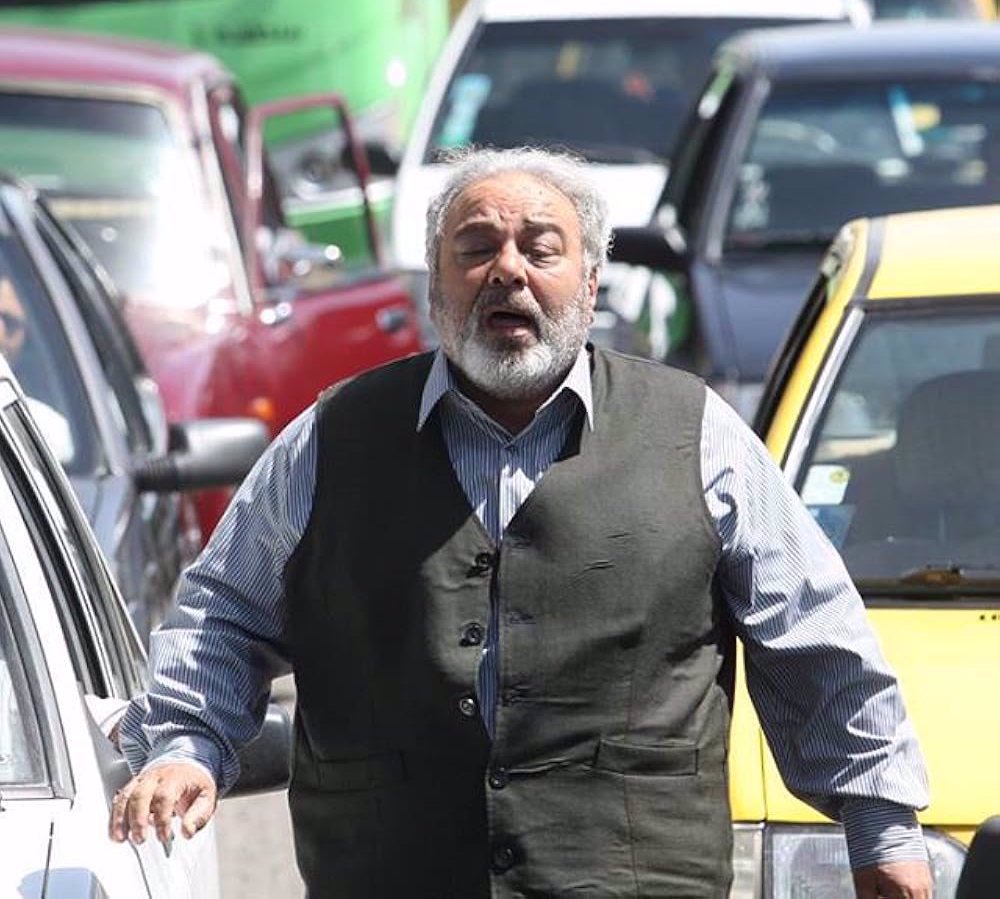
Post-Revolution career and cultural leadership
He co-founded the Islamic Thought and Art Centre (Hozeh Honari) and later assisted in establishing the Performing Arts Centre under the Ministry of Culture and Islamic Guidance. Kasebi also served as a radio announcer for two years.
The first film produced by Hozeh Honari, Tawba-ye Nasuh (The Repentance of Nasuh), involved his active participation, reflecting a new era of art rooted in ethical storytelling aligned with the Islamic Revolution’s ideals.
Kasebi’s television works include Khosh Rekab (Good Rider), Khosh Gheyrat (Virtuous), Saheb delan (Men of Heart), Ranaa (Graceful), Se Dong Se Dong, Bache Mohandes (The Engineer’s Child), etc., all of which carry messages of humanity, moral responsibility, and social consciousness.
Kasebi also wrote plays such as Leech and The Archive. His screenwriting and directorial work include Swimming in Winter, The Messenger, The Aphids, The Secret of Sohrab, and The House.
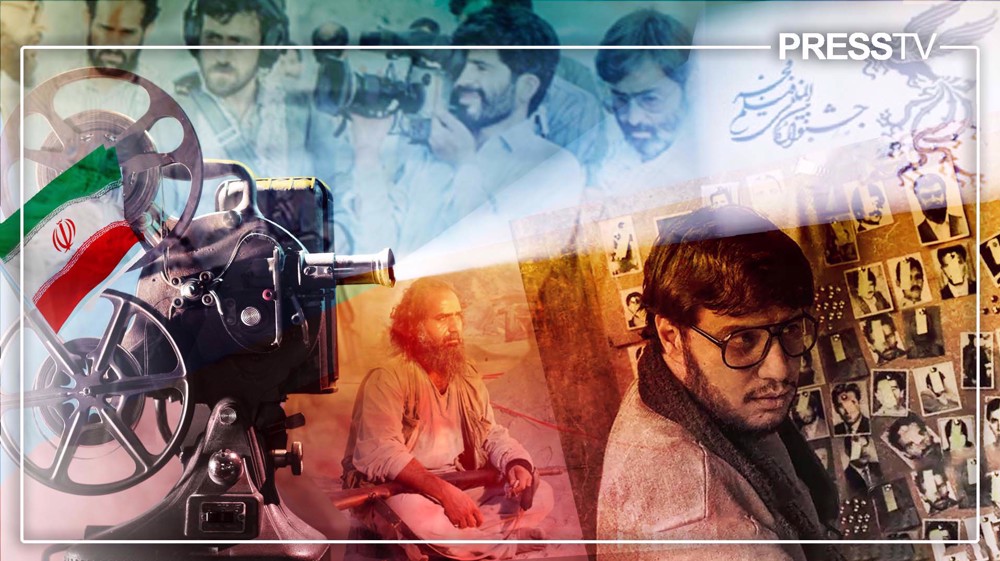
His film performances earned him nominations for the Fajr Film Festival with Bodouq (1991) and The Wall (2007), and he won the Fajr Award for The Father (1995).
Other notable films include Maryam-e Muqadis (Maryam the Blessed), Nofuzi (The Infiltrator), Asman-e Hashtom (The Eighth Heaven), and Hamleh be H3 (Attack on H3).
When asked years later whether Iranian television could revive the spirit of its early Revolution work, Kasebi’s answer was straightforward.
“No. Because those works were created by people who had lived the Revolution, the Sacred Defence, not merely portrayed it.”
He described how, in the early 1980s, artists at Hozeh Honari worked even without salaries.
“The money we received came from shrine donations. I once told the accountant, ‘Six thousand tomans is too much, two thousand is enough.’”
It was, he said, an era driven by submission to faith, to duty, to Imam Khomeini’s vision.
Back then,” Kasebi noted, “our hearts were devoted to the Imam. Today, unfortunately, many, whether conservative or reformist, have their hearts tied to the material world.”
Legacy of moral artistry
The intersection of art, ethics, and revolutionary values defined Kasebi’s life. He consistently argued that art must reflect truth, morality, and humanity.
Once summarising his philosophy, the veteran artist said, “Art without ethics is like prayer without presence.”
Through his work in theatre, television, and cinema, as well as his leadership in cultural institutions, Kasebi ensured that Iranian art remained grounded in humanistic messages and moral reflection.
His death marks the end of an era in Iran’s cinematic and cultural life; yet, his influence continues to guide the next generation of artists, who work to merge creativity with conscience, always mindful of the principles of the Islamic Revolution.
Perhaps when he spoke of the martyred commander General Soleimani’s eyes, he was seeing a reflection of his own life, one lived with faith, humility and unwavering conviction.
200 nights, one resilient nation: Iranian people’s epic in defense of homeland and Revolution
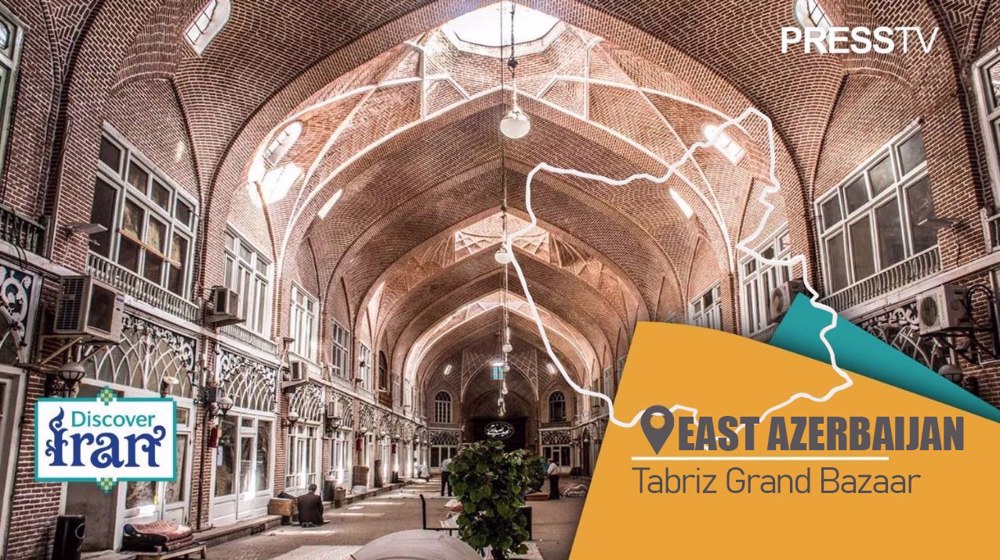
Discover Iran: Tabriz Grand Bazaar, where centuries of trade, culture and craftsmanship still thrive
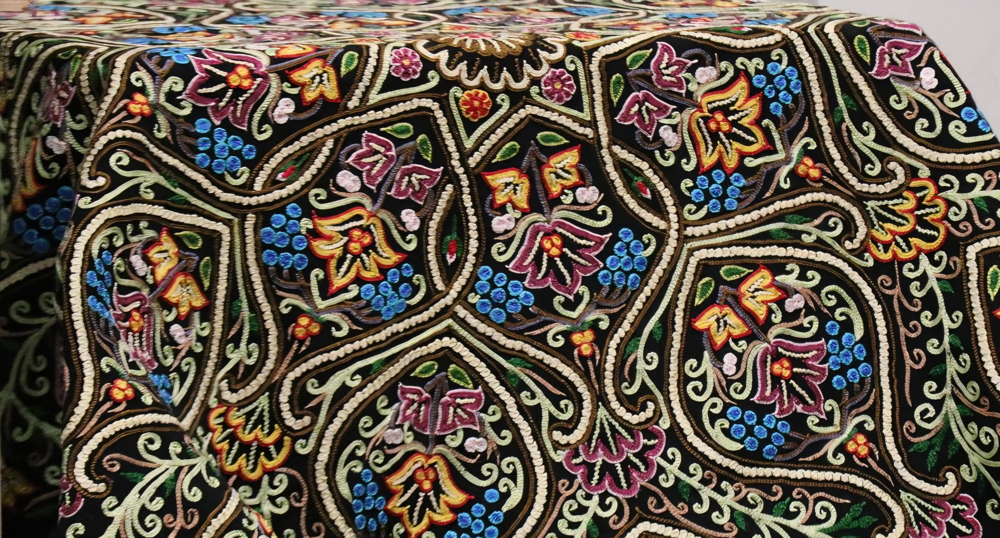
Rashti embroidery showcases Iranian heritage at BRICS summit



IRGC Navy strikes Togo-flagged tanker after illegal attempt to transit Strait of Hormuz
VIDEO | We salute the Palestinian woman
US lawmaker slams Trump’s $5 billion weapons sale to Saudi Arabia
VIDEO | Iran changing US war equations
Russia, China veto US backed anti-Iran resolution at UN Security Council
Araghchi welcomes Xi’s initiatives, hails China-Iran strategic partnership
VIDEO | Gaza transport crisis deepens as 70% of vehicles remain out of service
VIDEO | Press TV's news headlines



 PressTV NEWSLETTER
now
PressTV NEWSLETTER
now
 This makes it easy to access the Press TV website
