US–China trade war: Trump threatens to impose additional 100 percent tariff on China
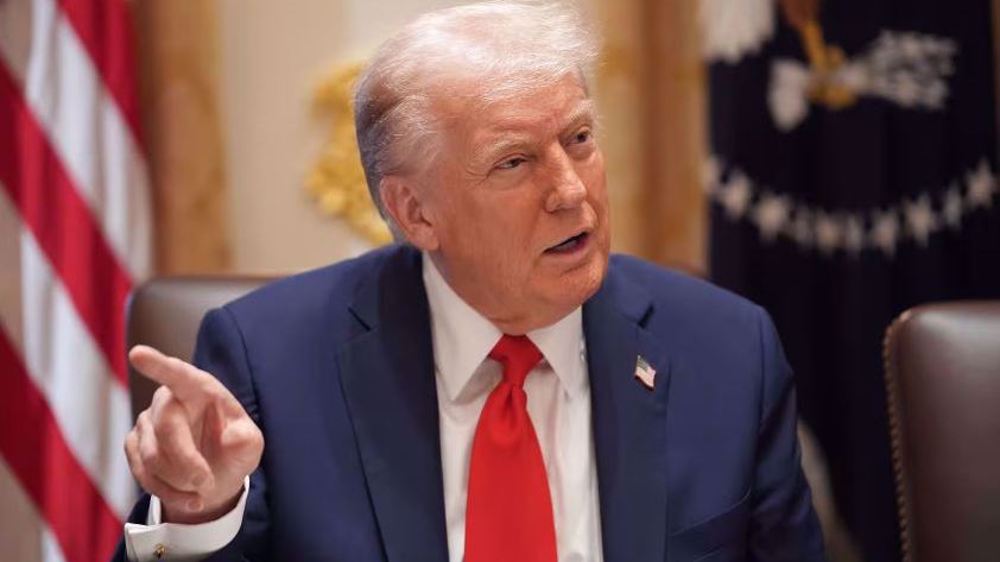
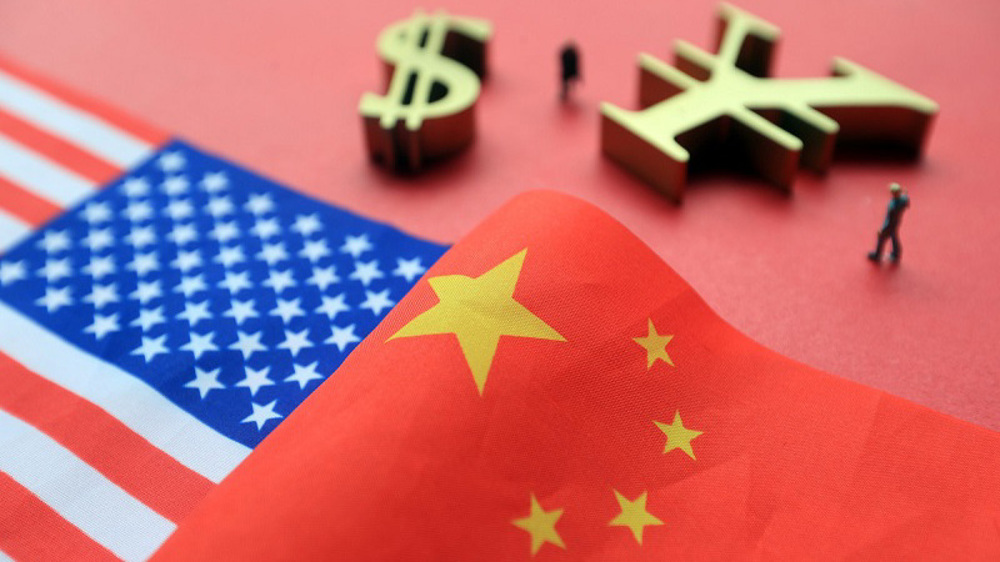
US President Donald Trump has threatened to impose additional 100 percent tariffs on Chinese goods, escalating the trade war to “way over and above” the current level.
In a post on social media on Friday, Trump said he would slap an additional 100 percent tariff on goods imported from China from next month. He also threatened to put export controls on critical software.
Trump criticized Beijing for tightening its regulations for its exports of rare earths in an earlier post on social media on Friday. “Some very strange things are happening in China!” Trump wrote. “They are becoming very hostile.”
The US president then threatened to cancel his scheduled meeting with China’s President Xi Jinping.
He later said he had not cancelled it, but that he did not know “that we’re going to have it,” adding, “I’m going to be there regardless.”
Meantime, Chinese manufacturers wield control over the global production of rare earths and certain other key materials, which are essential components in manufacturing cars, smartphones and many other items.
The previous time China tightened its export regulations after Trump raised tariffs on Chinese goods early this year, it led to a sudden outburst from many US companies that depended on Chinese factories to supply their materials. US automaker Ford even had to cease production temporarily because of a material shortage.
In addition to tightening rules for rare earth exports, Beijing says it will also charge extra port fees from ships with ties to the US, including those owned or operated by American firms.
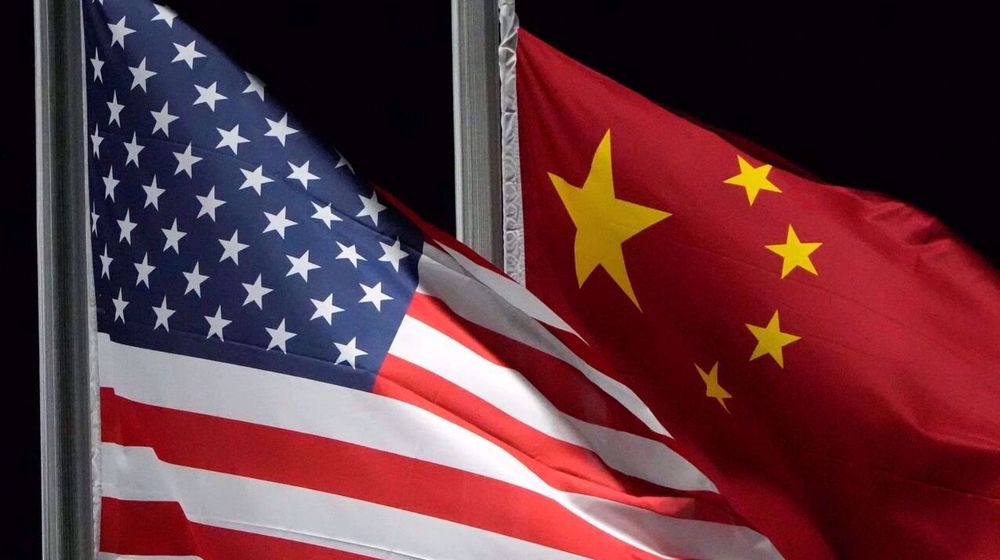
Since May, the US and China have been attempting to maintain a fragile trade detente between the two countries. Back then, the two sides agreed to drop the triple-digit tariffs on each other’s goods that had nearly stopped trade between the world’s biggest economies.
US tariffs on Chinese goods added a 30 percent levy compared with the start of the year, while US goods entering China face a new 10 percent tariff.
Since then, the two sides have held a series of trade talks on issues including TikTok, agricultural purchases, and the trade of rare earths and advanced technology like semiconductors. Representatives from the two countries are expected to meet again at a summit in South Korea this month.
Trump’s peace rhetoric stems from fear of Iran’s power: Ansarullah official
President: MoU will be the ‘center of gravity’ of Iran’s future foreign relations
Iranian precision drones cripple US Patriot shield in Erbil, forcing a hasty American pullout



Iran's Royan Institute preserves fertility of two girls with cancer through advanced surgery
VIDEO | Palestine convoy arrives in Ankara, voices solidarity with Gaza
North Korea says US-led ‘cyber warnings’ aim to tarnish its image
VIDEO | Arbaeen pilgrimage preparations
VIDEO | Press TV's news headslines
VIDEO | Arbaeen in Karbala: Millions renewing Imam Hussain’s call for unity, justice
VIDEO | Pakistan's Arbaeen commemorations echo calls to resist oppression
Iran FM discusses regional developments in phone talks with Pakistani, Omani counterparts


 PressTV NEWSLETTER
now
PressTV NEWSLETTER
now
 This makes it easy to access the Press TV website
