Today in History: Ali Landi, 15-year-old Iranian boy who turned sacrifice into lasting legacy
By Humaira Ahad
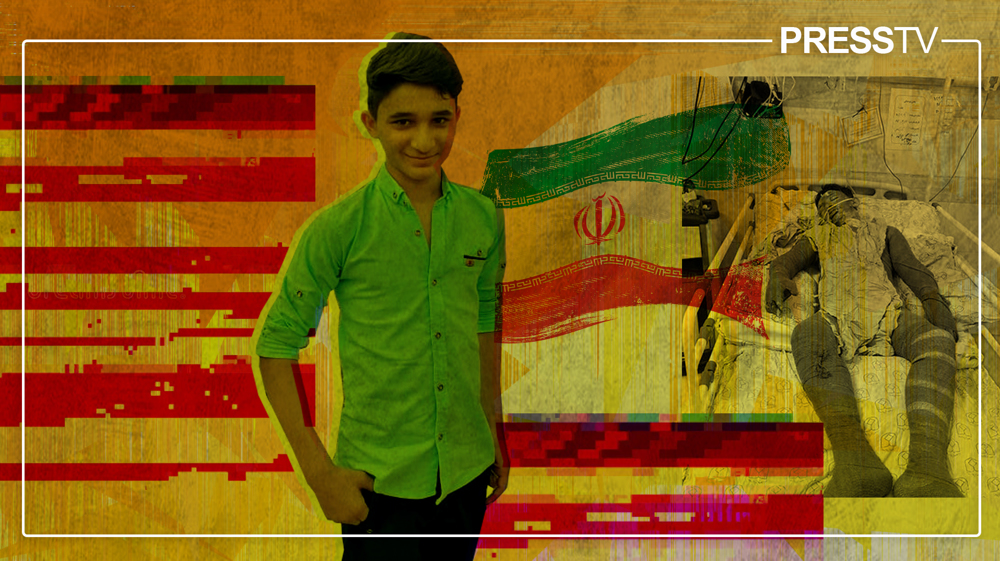
On Tuesday, as the new academic year began in Iran and students across the country returned to classrooms after the summer break, one story continued to resonate in school corridors: the story of Ali Landi, the 15-year-old boy from Izeh in Khuzestan province whose extraordinary courage turned him into a national symbol of selflessness and sacrifice.
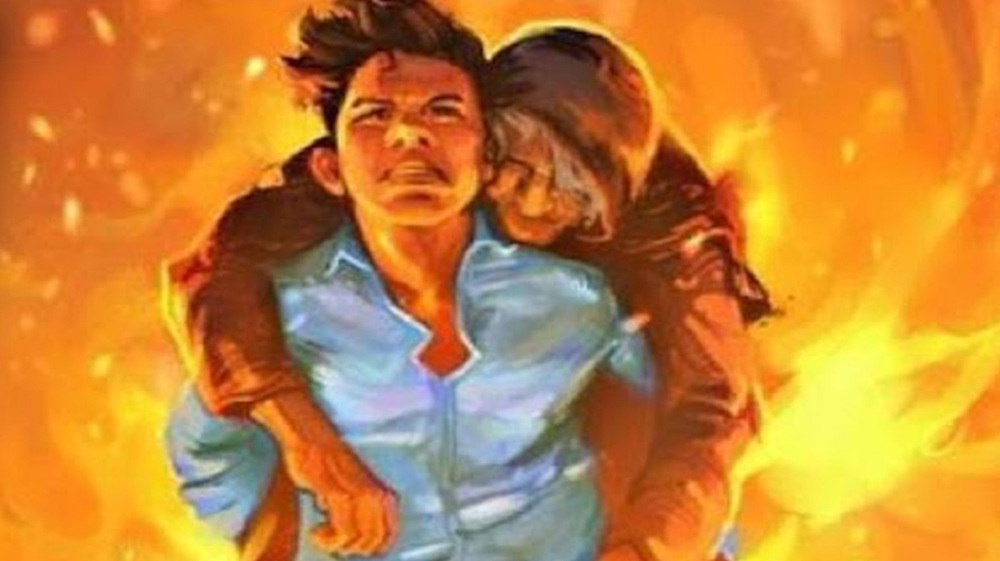
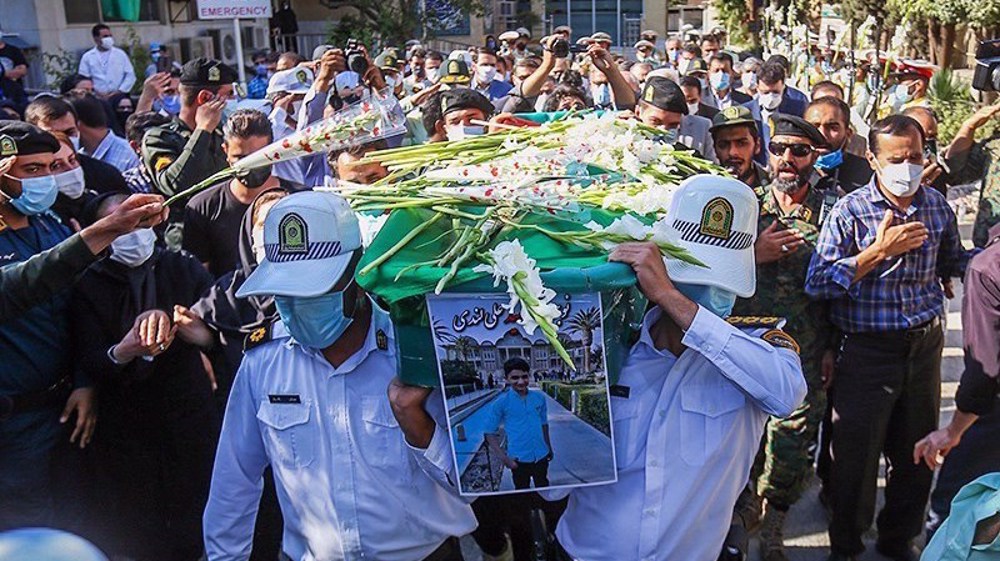
Four years ago, on September 9, 2021, Landi heard the desperate cries of two elderly women trapped in a neighbour’s burning home. Without hesitation, the ninth-grade student rushed into the flames, covering one woman with a blanket and trying to move a gas cylinder to prevent an explosion.
The fire engulfed him, leaving him with burns covering more than 90 per cent of his body.
The young boy was first hospitalised at Taleghani Burn Hospital in Ahvaz and later transferred to Imam Musa Kazim Burn Centre in Isfahan. For two weeks, doctors battled to save his life.
Social media became a hub for prayers and messages of support for the young warrior, with Iranians across the country and even outside following updates on his condition.
His uncle recalled that Landi, in his hospital bed, said, “Anyone else in my place would have done the same. If this happens again, I would do it again.”
On September 24, 2021, the teenager eventually passed away due to complications from severe burns, respiratory failure, and subsequent blood infection.
Leader of the Islamic Revolution, Ayatollah Sayyed Ali Khamenei, approved the request of the Foundation of Martyrs and Veterans Affairs to declare him a martyr and personally conveyed condolences to the family, reflecting the deep national significance of the teenager’s courage.
Then-Iranian president Ebrahim Raeisi described Landi as a “national hero.”
“The name of this dear teenager, who courageously and like a moth threw himself into the fire to save two human lives, will be recorded among the national heroes of this land, in the line of Hossein Fahmideh and Behnam Mohammadi (two Iranian youths remembered for their selflessness). His story of sacrifice must be preserved in art and literature to inspire future generations,” he said at the time.
Young hero sacrifices life to save trapped women
— Press TV 🔻 (@PressTV) September 24, 2021
15 y/o Iranian teenager Ali Landi risked his life to save two neighboring women trapped in a burning house. However, after days of intensive care in hospital, the brave boy didn't make it and died of severe burns he had sustained. pic.twitter.com/oYk0tba3NW
Social media and public tributes
In the days following his hospitalisation and subsequent death, Landi’s story captured national and international attention.
Social media users lauded him as a “national hero” and a “role model,” with his name trending across platforms. Some highlighted the symbolic resonance of his death coinciding with the anniversary of Saddam Hussein’s invasion of Iran in 1980, drawing parallels between the young boy and many teenage Iranians who defended the nation during the eight-year-long war.
Iranians embraced Landi as a symbol of courage and selflessness. He was commemorated in speeches and public initiatives designed to ensure that his story would endure.
The Iranian teenager was acknowledged with numerous posthumous awards. In September 2021, Iran’s Civil Defence Organisation announced that the Medal of Supreme Civil Defence had been awarded to his family.
The Supreme Council of Military Decorations of the Iranian Army posthumously awarded the Land Forces Sacrifice Medal. The Ministry of Education presented the International Medal of Sacrifice and Bravery to his family.
However, his legacy extends beyond medals. Schools, sports halls, fire stations, streets, and boulevards in cities such as Izeh, Karaj, Shahr-e Kord, and Khuzestan have been named in his honour.
Books chronicling his life, including The Butterfly in the Fire and My Hero: Ali Landi, have been published, ensuring that children learn from his story.
Iranian filmmaker Javad Yousefi has announced plans to produce a feature film about Landi, extending the reach of his inspiring life to cinema.
A poetry project, “The Phoenix’s Flight,” was launched to collect elegiac poems in his honor.
Governors of Izeh, Khuzestan, Isfahan, and Tehran, as well as military commanders, university officials, and cultural leaders, also expressed admiration and sorrow, ensuring that the young boy’s heroism received acknowledgement at every stratum of society.
Legacy that endures
Landi was born in 2006 in Izeh, Khuzestan. Though his life lasted only 15 years, his courage and selflessness have left an indelible mark on Iran.
His legacy has been enshrined in Iranian culture through medals, memorials, books and films.
Streets, schools, and sports venues bearing his name will remind generations to come of the boy who ran towards danger to save others.
As the new academic year begins, Landi’s story is now a permanent part of the curriculum, referenced in classes on ethics, civic responsibility, and empathy.
As his desk remains empty, his actions continue to resonate nationally, the legacy of the teenager who risked his life to save two neighbours endures as a tangible lesson in bravery and public service.

AI was used for missile projects, spying: Anthropic

Iranian cardiologist wins gold medal at Swiss international invention competition
US-sanctioned ICC President warns of ‘demise of international rule of law’



Iranian lawmakers push for NPT withdrawal, submit bill to Parliament's Presiding Board
Persian Gulf markets plunge as Yemeni forces strike Riyadh
VIDEO | Iran war will break America
Iran Open RoboCup brings together 700 teams and around 2,000 young robotics innovators
VIDEO | News Review: Trump’s move to ban several media outlets from WH draws condemnation
VIDEO | US uses threat of drug cartels to justify Venezuela invasion: Commentator
VIDEO | Police clash with far-right protesters in The Hague
How Iran turned US military and economic aggression into strategic leverage to dictate terms


 PressTV NEWSLETTER
now
PressTV NEWSLETTER
now
 This makes it easy to access the Press TV website
