Charlie Kirk shooter still at large amid rising political violence in US
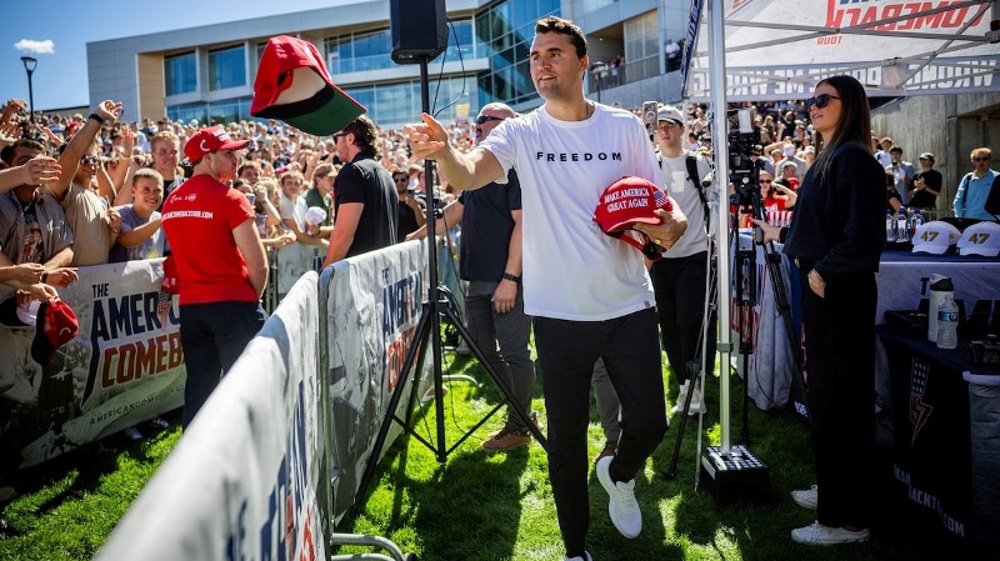
US authorities continue the search for the suspect who fatally shot conservative activist Charlie Kirk at Utah Valley University, as experts warn the assassination could intensify the United States’ escalating political violence.
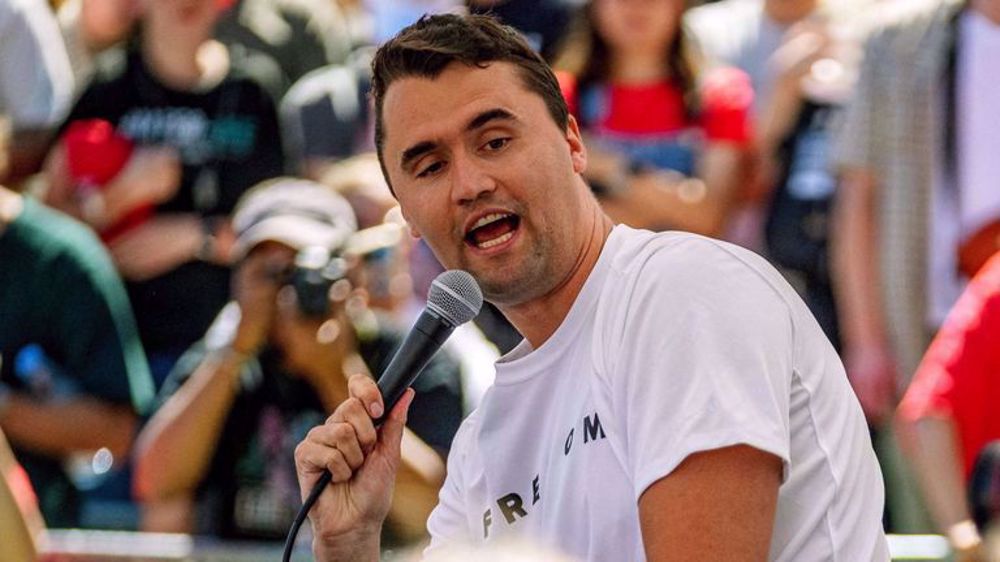
Charlie Kirk, the 31-year-old conservative activist and co-founder of Turning Point USA, was shot and killed Wednesday at Utah Valley University during an outdoor “Prove Me Wrong” debate attended by roughly 3,000 people.
The “Prove Me Wrong” debate, a signature event of Kirk’s Turning Point USA - a conservative group targeting young audiences - featured political debates in which he typically engaged with largely left-leaning participants.
The Gaza genocide denier was struck in the neck by a single bullet while addressing the crowd, and authorities have described the attack as a targeted assassination.
The suspect, described by Utah Public Safety Commissioner Beau Mason as a college-age male who “blended in” with the campus community, remains at large.
Officials say they have recovered a high-powered bolt-action rifle believed to be the weapon used, along with a footwear impression, palm print, and forearm imprints that are currently being analyzed.
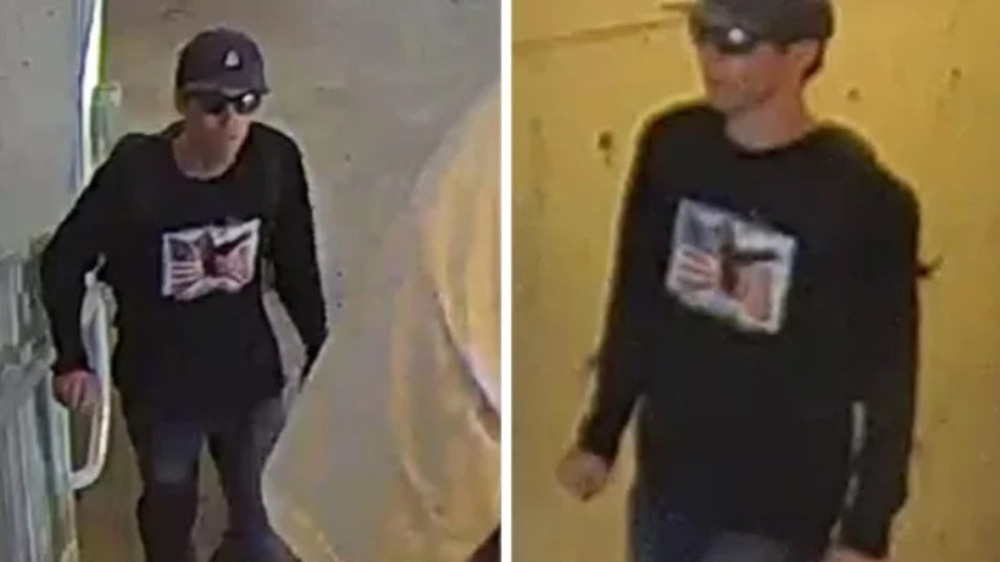
Authorities also have video footage of a “person of interest” and have requested the public’s help in identifying the individual.
Investigators reported that the shooter arrived on campus at 11:52 a.m., moved through stairwells to the roof of a building near Kirk’s event, fired a single shot, and then fled into a nearby neighborhood, while law enforcement canvassed homeowners with security cameras and interviewed witnesses to develop leads.
Two individuals were released after being cleared of involvement, while the FBI and Utah authorities launched a tip system and dedicated full resources to the investigation, emphasizing no broader public threat.
The assassination has heightened concerns about political violence in the United States, with experts warning of a potential “vicious spiral” of retaliation and unrest.
Mike Jensen, a researcher at the University of Maryland, noted that the country has already experienced about 150 politically motivated attacks—nearly twice as many as during the same period last year—and that such incidents could inspire further unrest.
“I think we are in a very, very dangerous spot right now that could quite easily escalate into more widespread civil unrest if we don't get a hold of it. This could absolutely serve as a kind of flashpoint that inspires more of it,” he said.
“This event is horrifying, alarming, but not necessarily surprising,” Jensen stressed.
Experts point to a mix of economic uncertainty, worries over demographic changes, heated political rhetoric, social media, conspiracy theories, and personal grudges as driving the increase in extremist acts, while other high-profile attacks this year by both right-wing and Takfiri perpetrators highlight the rising frequency of politically motivated violence.
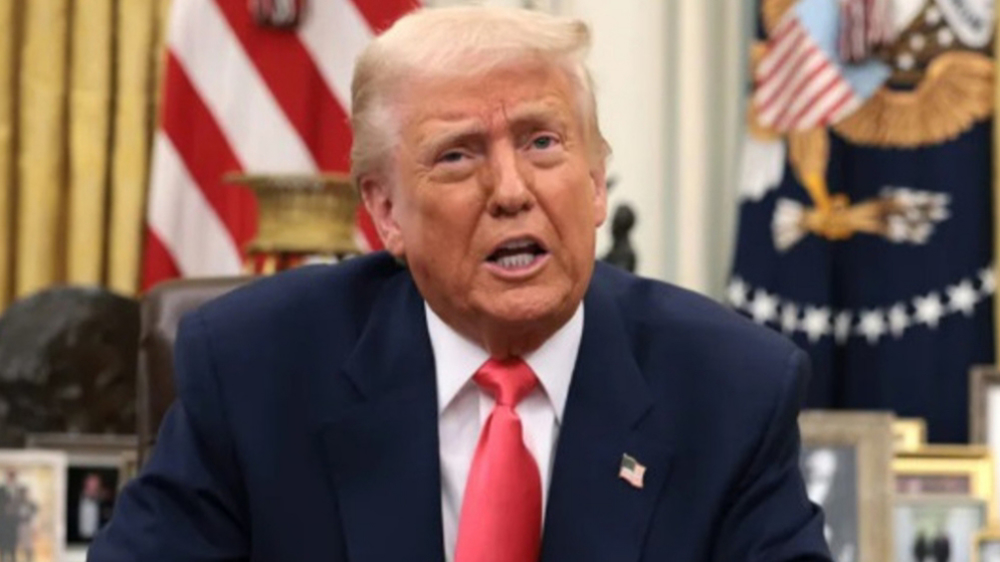
Public reactions have been swift and polarized, with Utah Governor Spencer Cox calling the killing a “political assassination” and President Donald Trump labeling it “radical left political violence” in a Truth Social post while pledging to identify those responsible.
Kirk, a close Trump ally credited with mobilizing younger voters and expanding the conservative base, prompted Republican lawmakers to call for stronger security measures following his assassination.
According to Reuters, there were at least 300 incidents of political violence in the US between the January 6, 2021, Capitol attack and the 2024 presidential election, representing the largest and most sustained increase in such violence since the 1970s.
“Extreme political violence is increasingly becoming the norm in our country, and the shooting of Charlie Kirk is indicative of a far greater and more pervasive issue: acts of violence are becoming more common, even without any clear ideology or motive,” said Jon Lewis, a research fellow at the Program on Extremism at George Washington University.
“There's really a concern about what the blowback to something like this will look like,” he emphasized.
Experts warn that the assassination could deepen political divisions and spark retaliatory attacks, further straining an already tense political environment and raising fears of growing civil unrest.
Trump’s approval turns negative in 11 states he won by double digits: Poll
US moral decline: Study finds profanity has become norm in White House
Albanians continue protesting real estate project linked to Trump family



VIDEO | Kashmir marks Arbaeen with massive mourning processions
VIDEO | Trump stuck in war quagmire
Saudi airport knocked out of operation after Yemeni strike hits its main radar: Report
US finds a new way to ‘undercount’ casualties from Iranian retaliation: Report
VIDEO | Gaza buries 112 Palestinians killed by Israel, bodies recovered after nearly three years
VIDEO | Gaza hospitals struggle to treat burn victims amid Israeli attacks, aid restrictions
VIDEO | 'The US cannot teach us about sovereignty': Palestinian political analyst
US-led ‘Board of Peace’ violates terms for Israeli withdrawal from Gaza


 PressTV NEWSLETTER
now
PressTV NEWSLETTER
now
 This makes it easy to access the Press TV website
