New research on slavery reveals British ruler profited from slaves
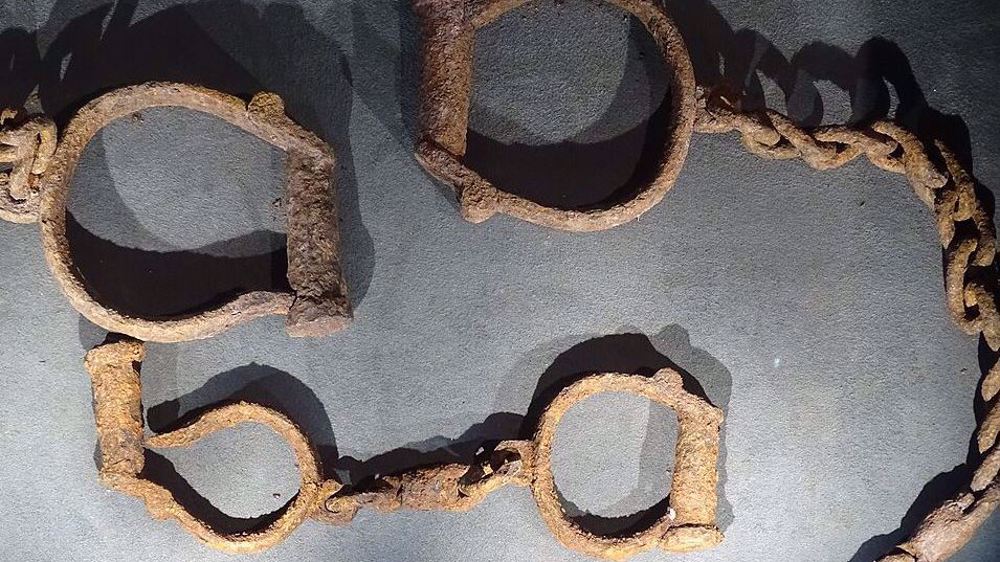
A new study has exposed how Britain’s King George IV personally profited from slave labor on Caribbean plantations, adding fresh weight to calls for the monarchy to confront its dark colonial past.
The research shows that Britain's King George IV, who ruled for a decade until 1830, personally profited from the forced labor of slaves at Grenadian plantations, a finding that analysts say heightens pressure on the monarchy to confront its historical links to slavery.
An old document kept at the National Archives in London related to 1823-24 and studied by Desiree Baptiste showed King George IV had personally received 1,000 pounds, equivalent to around 103,132 pounds ($138,499) today, from two Crown-owned estates in Grenada where enslaved laborers were forced to do the work.
Baptiste, who is a scholar specializing in 19th-century transatlantic slavery and colonialism, said the payment was transferred to King George's private coffers and spent on the extravagant monarch’s "lavish lifestyle."
The independent researcher, who is originally from Grenada, an island country of the West Indies in the eastern Caribbean Sea, shared the verified results of her study titled, Slaves the Property of His Majesty: George IV and Grenada, with Reuters.
Baptiste said the British monarchy has never publicly acknowledged that the Crown once owned and profited from enslaved labor in the Caribbean.
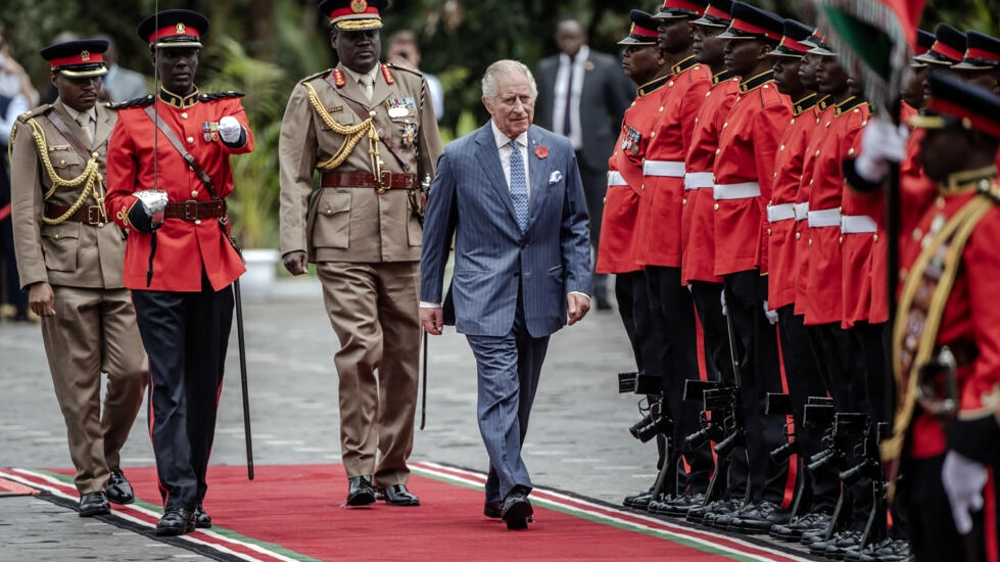
The present monarch has expressed regret over the Crown's past role in the slave-related businesses.
At a speech addressing indigenous leaders at a Commonwealth gathering in 2022, King Charles apologized, saying on behalf of the British monarchy, he was sorry for allowing slavery in the past.
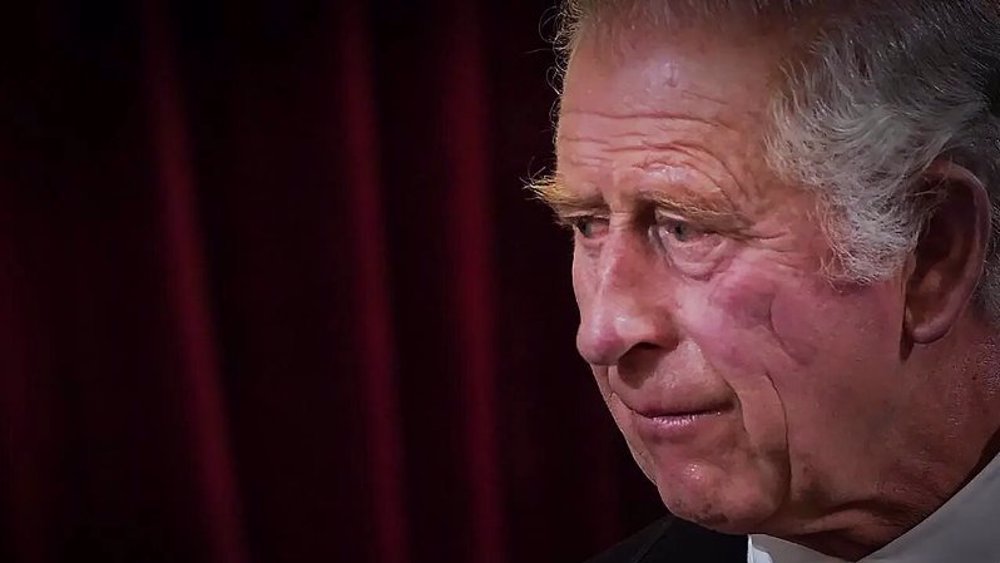
However, Buckingham Palace did not immediately respond to Reuters' request for comments about the results unveiled in the recent research.
The recent research was conducted after a 2023 report revealed that in 1689, King William III had received 1,000 pounds in shares in the Royal African Company, which was involved in the slave trade and trafficked thousands of enslaved Blacks from West Africa to the Americas for forced labor.
Baptiste's research was verified by University of Manchester professor Edmond Smith and Dr. Nick Draper, founder of University College London's Legacies of British Slave-ownership project.
Smith, who is supervising a PhD study on the royal family's role in slavery, said the payment to King George "might well just be the tip of the iceberg," suggesting that further studies of old documents may uncover more about the monarchy's profits from slavery.
"This evidence fits with long-term patterns of colonial exploitation by the British royal family, including repeated efforts to find novel income streams from colonies in the Caribbean," Smith said.
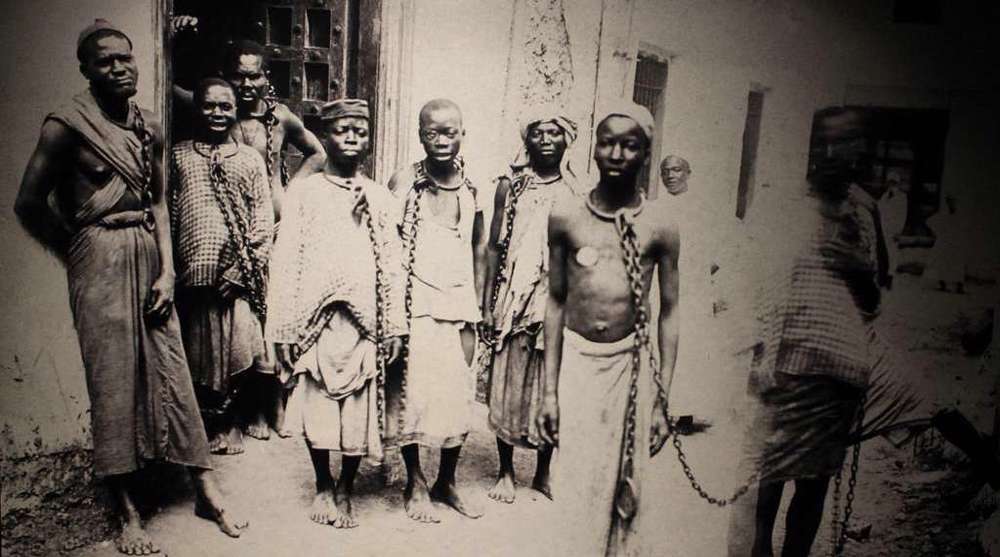
Head of the Grenada Reparations Commission, Arley Gill, said, “We always knew that the Royal Family directly profited from the Atlantic slave trade and slavery, but now that we know that the Royal Family directly profited from the state of Grenada, we renew our call, even stronger now, for the royal family to apologies and to pay reparations.”
According to Gill, the people of Grenada want King Charles to go further than vague expressions of sorrow and make a full apology “because blood is on the hands of the British royal family”.
“He is still the head of state of Grenada. And it will not be worthy of him to be the head of state of a country that he profited from in slavery and [for which he] failed to apologize and failed to make reparations. He will not be a worthy king,” Gill said.
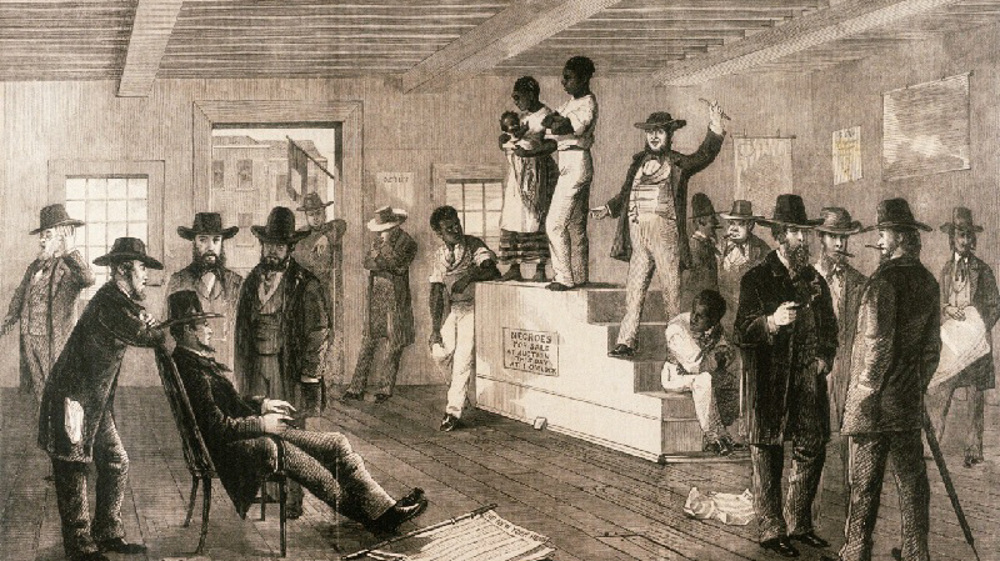
During the transatlantic slave trade, which spanned several centuries, more than 12.5 million Africans were forcibly taken from their homelands and transported to the Americas, where they were sold into slavery.
In July, Caribbean leaders supported a petition from Jamaica to King Charles, urging him to seek legal advice from the London-based Privy Council—the final court of appeal for UK overseas territories and several Commonwealth nations. The petition asked the council to examine whether the forced transportation of Africans to Jamaica was lawful, whether it constituted a crime against humanity, and whether the UK is legally obligated to provide reparations for slavery and its lasting impacts.
The British government, under Prime Minister Keir Starmer, has so far avoided engagement on the issue. “We do not pay reparations,” a government spokesperson said last year.
Irish, Scottish and Welsh leaders to meet to discuss UK break-up
UK chancellor sounds alarm over economic fallout from war on Iran
UK to adopt 'comprehensive' measures against Israel over West Bank settlements



‘The American age is over’; Iran war exposes limits of US global military power: US magazine
Ansarullah: Yemenis are the true defenders of holy sites
VIDEO | Gaza journalists battle Israeli attacks, health crisis while documenting war
Israel blockade leaves 70% of Gaza hospital generators out of service: Health ministry
VIDEO | Press TV's news headlines
Pezeshkian hails 200 nights of rallies, reaffirms support for Iranian armed forces
Pezeshkian: Iran ready to resolve issues with neighbors through diplomacy
US narrative of pilot rescue ‘just fictional’: IRGC spokesman



 PressTV NEWSLETTER
now
PressTV NEWSLETTER
now
 This makes it easy to access the Press TV website
