Explainer: Why uranium enrichment is Iran’s inalienable right and key to energy sovereignty
By Ivan Kesic
In a speech on June 4, marking the 36th anniversary of the passing of Imam Khomeini, Leader of the Islamic Revolution, Ayatollah Seyyed Ali Khamenei, declared that uranium enrichment is a vital technology and an inalienable right of the Islamic Republic of Iran, one it will never relinquish.
He reaffirmed Iran’s nuclear sovereignty, asserting that the pursuit of enrichment embodies the same spirit of independence and resistance championed by the architect of the Islamic Revolution.
His statements echoed Iran’s long-standing official position, also reiterated in a recent tweet by Foreign Minister Abbas Araghchi, that: “No enrichment, no deal. No nuclear weapons, we have a deal.”
Leader of the Islamic Revolution’s remarks underscored broader defiance toward US bullying, including threats of military action from President Donald Trump and his military officials should negotiations fail.
Trump has repeatedly resorted to war-mongering rhetoric against Iran since coming back to power, warning of a military strike if the deal is not reached. The top US general overseeing American forces in West Asia also repeated the same rhetoric on Tuesday.
In response, Iran’s Defense Minister Brigadier General Aziz Nasirzadeh on Wednesday warned that any act of aggression against the Islamic Republic would result in heavy losses for American forces in the region and leave them with no choice but to leave the region.
What did Ayatollah Khamenei say?
Ayatollah Khamenei strongly rejected the idea of halting uranium enrichment, unequivocally declaring that abandoning the peaceful process would be “100% against Iran’s interests.”
His remarks were a direct rebuke to a key US demand in ongoing indirect nuclear negotiations with the US, which are being mediated by Oman.
He dismissed the American proposal – offering sanctions relief in exchange for limits on enrichment – as “nonsense” and “100% against the spirit of ‘We can,’” a slogan that reflects Iran’s commitment to self-reliance and national determination in the face of bullying by hegemonic powers.
Expanding on the concept of national independence, Ayatollah Khamenei said it means that Iran and its people “should stand on their own feet, make decisions based on their own discernment, act accordingly, and not wait for approval from the US or others.”
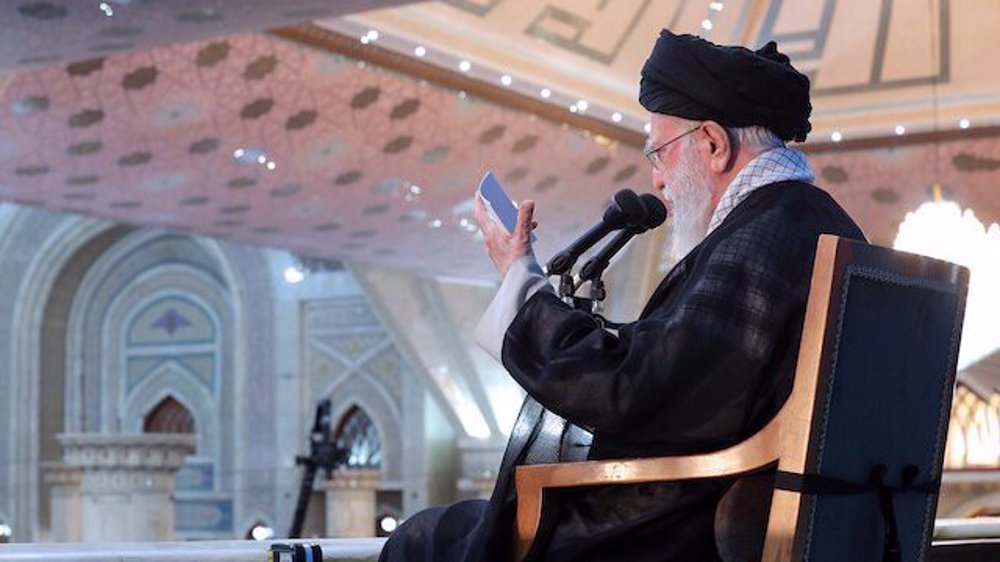
He emphasized that uranium enrichment is the foundation of Iran’s nuclear industry, noting that without it, the entire program would be “useless.”
Without the ability to enrich uranium domestically, he warned, Iran would remain dependent on foreign fuel sources for its nuclear facilities, such as the Bushehr Nuclear Power Plant, undermining the country’s energy security and sovereignty.
"Without enrichment and the ability to produce nuclear fuel, even having 100 nuclear power plants would be useless—because to acquire fuel, we would have to be dependent on the US, and they could set dozens of conditions," the Leader asserted.
"This scenario was already experienced in the 2000s when we needed 20% enriched fuel," referring to the time when two countries mediated at the request of the then US president for the transfer of a portion of Iran’s 3.5% enriched uranium in exchange for receiving 20% fuel to meet domestic needs.
Ayatollah Khamenei stated that the nuclear industry is a main industry, on which numerous other scientific fields important to Iran depend, while strongly defending Iran’s nuclear program and underscoring its significance not only as a strategic asset but also as a driver of scientific and technological advancement.
The Leader praised Iran’s success in mastering the complete nuclear fuel cycle, crediting the achievement to the dedication and expertise of the nation’s youth and scientists. This accomplishment, he added, places Iran among a select group of countries with advanced nuclear capabilities.
He also warned that halting enrichment would demoralize thousands of trained nuclear scientists and researchers, implying that the continuation of the program serves a national and human investment.
What is the significance of nuclear energy for Iran?
Ayatollah Khamenei’s statements reaffirm Iran’s official position that its nuclear program is exclusively for peaceful purposes, primarily aimed at generating electricity and producing medical isotopes.
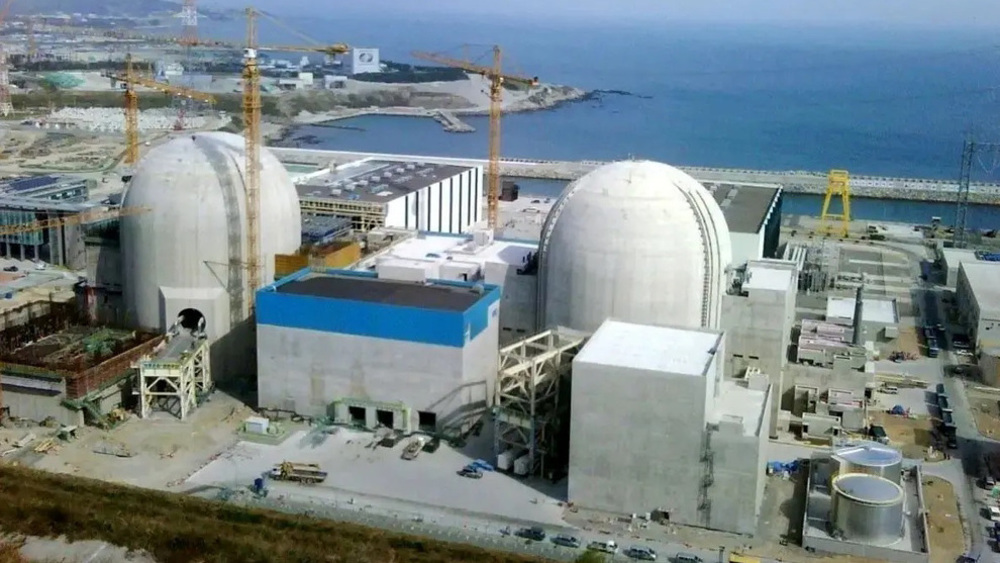
Low-enriched uranium (3-5% U-235) is used to fuel nuclear power plants such as the Bushehr reactor, which has been operational since 2011. This plant significantly reduces Iran’s domestic consumption of oil and gas, allowing greater quantities to be exported.
Currently, the Bushehr Nuclear Power Plant (NPP) generates 7–8 terawatt-hours (TWh) of electricity annually, saving Iran approximately 11–12 million barrels of oil or 1.5–1.7 billion cubic meters of natural gas each year. These fuel savings translate into export revenues estimated at $700–750 million annually.
These figures are expected to triple by the late 2020s, following the completion of two additional units currently under construction at Bushehr, which will join the existing operational reactor.
Iran is expanding its Bushehr nuclear power plant by building the second and third units of the facility.
— Press TV 🔻 (@PressTV) June 9, 2025
The reactor is designed in accordance with the standards of the International Atomic Energy Agency.
Follow: https://t.co/mLGcUTSA3Q pic.twitter.com/7vi9v0rNvA
Beyond the expansion of Bushehr with Russian technological support and the construction of the smaller Darkhovin NPP on the Karun River, Iran has also begun independently building the $15–20 billion Hormoz Nuclear Power Plant in the southern coastal province of Hormozgan.
Hormoz NPP is planned to include four reactors, each with a capacity of 1,250 MW, totaling 5,000 MW of electricity generation. This development will substantially increase Iran’s nuclear capacity beyond the eventual triple-unit Bushehr plant, which will have a combined capacity of around 3,000 MW.
In total, with the Bushehr and Hormoz plants, Iran aims to reach an installed nuclear capacity of 8,000 MW. Furthermore, the country plans to construct additional nuclear power plants, comprising at least ten reactor units by 2041, targeting a total nuclear generation capacity of 20,000 MW.
The ability to independently construct nuclear power plants and produce nuclear fuel is of immense strategic importance to Iran’s energy sector, industrial development, and overall economy. This independence is not only vital for energy security but also highly lucrative.
Once all planned nuclear plants become operational, they are expected to supply 15% of Iran’s total installed power generation capacity. This will generate approximately $6 billion annually in domestic profits (excluding export revenues) at current prices, while saving the equivalent of $15 billion in fossil fuels, which can then be sold abroad.
Hostile Western regimes and the propaganda media outlets they fund and control have long sought to distort the reality of Iran’s nuclear program for political purposes, often downplaying or outright denying the vital role of nuclear technology, particularly uranium enrichment, for Iran.
One of the most common unfounded arguments they promote is that Iran does not require nuclear energy due to its abundant fossil fuel reserves – a claim recently echoed by high-ranking American politicians.
They also frequently dismiss the significance of the Bushehr power plant within Iran’s overall electricity production, alleging that it generates financial losses and relies on imported Russian uranium, thereby suggesting that Iran has no real need for indigenous uranium enrichment.
They argue that uranium for civilian energy and medical purposes can be purchased on the international market, and accuse Iran of pursuing enrichment for “dual-use” purposes, implying military ambitions.
According to this narrative, Iran’s nuclear activities allegedly encourage other countries in the region to pursue similar paths, escalating regional tensions.

Experts emphasize that the criticisms leveled against Iran’s nuclear program lack substance and are primarily driven by political motives, including attempts to influence public opinion against Iran.
Firstly, nuclear energy offers significant benefits to Iran by diversifying its energy sources, reducing costs through reliance on domestic technology, generating multibillion-dollar revenues, increasing profits from fossil fuel exports, and providing a clean energy alternative.
Notably, other major fossil fuel exporters such as Russia and the United Arab Emirates already operate nuclear power plants, while regional countries like Turkey and Egypt are constructing their first reactors. Saudi Arabia also plans to develop nuclear power capabilities.
Unlike these countries, Iran stands apart as the only regional state capable of extracting domestic uranium deposits, independently enriching uranium, and utilizing it in domestically built nuclear power plants – a level of nuclear competence possessed by only a handful of nations worldwide.
The estimated investment cost for constructing the Hormoz Nuclear Power Plant is two to three times lower than comparable projects in the region, underscoring Iran’s competitive advantage in nuclear infrastructure development.
With nearly 500 new nuclear reactors planned or proposed globally, mostly in Asia, with a combined value of $3–4 trillion, Iran’s expertise positions it to participate in this expanding market and potentially earn tens or even hundreds of billions of dollars.
Even without entering the international market, Iran’s planned nuclear power plants are expected to generate billions of dollars in annual domestic profits, facilitate increased fossil fuel exports of equal or greater value, and contribute to environmental protection by producing minimal greenhouse gas emissions.
Since its commissioning, the Bushehr Nuclear Power Plant has covered its construction costs through profits from domestic electricity sales and saved Iran over $8 billion in oil exports over the past eleven years.
How important is uranium enrichment for Iran?
Independent uranium enrichment is absolutely vital for Iran’s energy security and sovereignty. Without it, Iran would be forced to depend on costly imports from a small group of nuclear powers that maintain a monopoly over enrichment technology, and often use this leverage for political coercion, like the US.
Iran has experienced these risks firsthand. According to Ayatollah Khamenei, the country is determined not to repeat past mistakes.
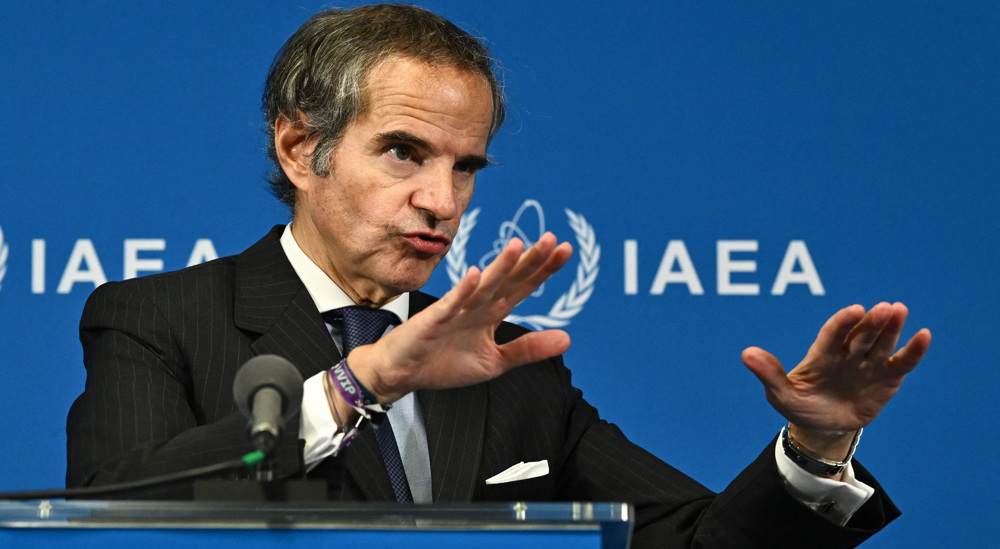
UN nuclear chief Rafael Grossi expresses optimism about the indirect talks between Iran and the US, stating that Iran's nuclear capabilities cannot be destroyed by military action.
— Press TV 🔻 (@PressTV) June 6, 2025
Follow Press TV on Telegram: https://t.co/boCY50qfi9 pic.twitter.com/zZbmaSvTU8
In the 1970s, under the Western-backed Pahlavi regime, Iran lent over $1 billion to France to participate in the Eurodif enrichment facility, which promised to supply Iran with 10 percent of its enriched uranium output.
However, after the 1979 Islamic Revolution, Iran canceled the contract and demanded repayment and delivery of enriched uranium, both of which France refused. The dispute was later settled in Iran’s favor by an Iranian court, resulting in compensation paid by France.
Following the Islamic Revolution, the United States also refused to supply highly enriched uranium fuel for Iran’s Tehran Research Reactor, forcing a temporary shutdown. With Argentine assistance, Iran converted the reactor to use low-enriched uranium fuel instead.
Under American pressure, several other nuclear cooperation agreements with Argentina, Germany (the original builder of the Bushehr plant in the 1970s), and Ukraine (which was to supply turbines in the late 1990s) were terminated or delayed.
Even Russia and China, at the beginning of this century, appeared to succumb to US pressure to break or delay nuclear cooperation with Iran. Chinese firms that initially assisted Iran with uranium mining eventually withdrew under American political pressure.
These repeated experiences underscore why Iran insists on independent uranium enrichment: to avoid political vulnerability, ensure uninterrupted access to nuclear fuel, and safeguard its energy future.
For similar reasons, the completion of the Bushehr power plant was delayed for several years by Russia, which contractually required Iran to import Russian nuclear fuel for ten years, even though Iran already had uranium enrichment capabilities when the plant became operational.
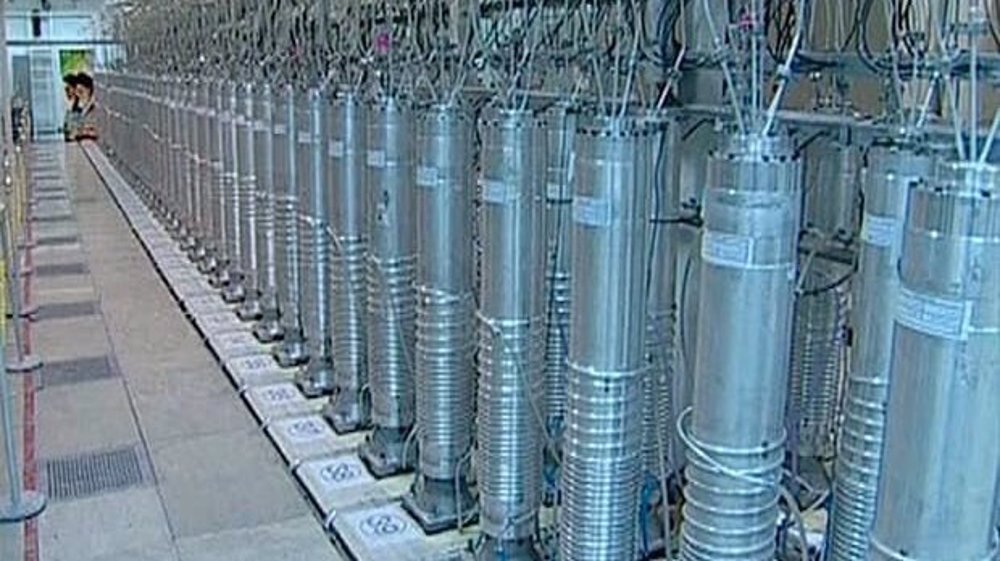
As a result, from 2011 to 2021, Iran primarily relied on imported Russian enriched uranium. Since 2021, however, Iran has been supplying the Bushehr plant with its own 4 percent enriched uranium produced at the Natanz facility, which is equipped with IR-1 and IR-6 centrifuges.
Under the 2015 Joint Comprehensive Plan of Action (JCPOA or BARJAM), an agreement between Tehran and six world powers, Iran agreed to several restrictions in exchange for promised benefits.
These included exporting its stockpile of approximately 7 tons of low-enriched uranium (LEU) and 200 kilograms of medium-enriched uranium (20 percent), limiting its LEU stockpile to 300 kilograms, using only the oldest IR-1 centrifuges, and refraining from expanding enrichment facilities.
In return, Iran was to receive 20 percent enriched uranium fuel for the Tehran Research Reactor from France, specialized storage casks for spent fuel from Spain, and access to various Western nuclear technologies.
None of these commitments were fulfilled, largely due to the unilateral US withdrawal from the multilateral accord in May 2018. Consequently, Iran resumed accumulating enriched uranium in accordance with the terms of the deal and under the supervision of the International Atomic Energy Agency (IAEA), the UN nuclear watchdog.
Iran’s experience echoes the challenges faced by other countries like South Africa, which voluntarily dismantled its military nuclear arsenal and enrichment program but has since suffered repeated political refusals from the US to deliver nuclear fuel for its power plants.
Similarly, Syria, Iraq, and Libya acceded to international demands to shut down their nuclear programs, only to face increased aggression rather than improved relations with the US and its Western allies.
What are the non-energy purposes of enriched uranium?
Since the illegal US withdrawal from the JCPOA, Iran has enriched uranium beyond the 4 percent level and accumulated a uranium stockpile of approximately four tons.
It has also developed and begun producing its latest ninth-generation centrifuges (IR-9), which are 50 times more powerful than the earlier IR-1 models.
Western accusations that Iran’s uranium enrichment “lacks civilian justification” or is “dual-use” are entirely unfounded based on expert assessments and IAEA inspections. Iran employs enriched uranium for a wide range of peaceful applications, most notably in nuclear medicine.
The Tehran Research Reactor plays a crucial role in producing radiopharmaceuticals used to diagnose and treat serious illnesses such as cancer and heart disease.
Annually, Iran manufactures 41 types of radiopharmaceuticals, serving the medical needs of over one million patients. Key isotopes like technetium-99 and iodine-131 are derived from uranium enriched to 20 percent, which is essential for fueling the Tehran reactor.
This reactor requires roughly 120 kilograms of uranium fuel per year. To meet this demand, Iran resumed 20 percent uranium enrichment at its Fordow facility in 2020, utilizing advanced IR-6 centrifuges.
Iran has also begun industrial-scale production of molybdenum-99, an important isotope used in medical diagnostics and research, in collaboration with domestic knowledge-based companies.
In agriculture, Iran has made significant strides in recent years by leveraging nuclear technologies to boost productivity, enhance pest control, and improve product quality.
Iran’s nuclear industry and agricultural transformation https://t.co/2c3Si9uNFB
— Press TV 🔻 (@PressTV) June 7, 2025
Techniques such as irradiation for pest management, genetic improvement of plants and animals to increase resistance to diseases and drought, and the use of isotopes to analyze soil and water nutrients have enabled more efficient and sustainable farming practices.
Gamma irradiation technology, which utilizes radioactive isotopes like cobalt-60, has increased agricultural productivity by approximately 20 percent. This process does not require enriched uranium but instead uses by-products from nuclear reactors.
Last month, Mohammad Eslami, head of the Atomic Energy Organization of Iran (AEOI), highlighted the country’s capacity to irradiate up to 500,000 tons of agricultural products, underscoring Iran’s commitment to applying modern nuclear technologies.
These achievements reflect Iran’s determination and capability to harness advanced nuclear science to improve the quality of life and protect the environment.
By continuing research and expanding these technologies, Iran is positioning itself as a potential global leader in nuclear medicine and agriculture.
Western accusations of “dual-use” are tendentious, as many industries and technologies, ranging from basic steel production to cutting-edge fields like nanotechnology, artificial intelligence, robotics, and drone aviation, areas in which Iran has demonstrated expertise, can serve both civilian and military purposes.
Claims of a potential “regional nuclear race” are also unfounded, given that most countries in the region lack the technological infrastructure and political framework necessary to develop such complex nuclear capabilities.
Moreover, Iran pursues a policy of regional cooperation and has proposed sharing nuclear technology with neighboring countries. This year, Iran suggested establishing a regional uranium enrichment consortium involving Saudi Arabia and the United Arab Emirates.
Iran military: Any US attack on nuclear sites equals ‘expansion of war,’ entails extensive reprisal
Darkhovin: Revisiting US barbarity against an icon of Iran's nuclear renaissance
Iran confirms receiving de-escalation proposals, vows efforts will continue to halt US crimes



Iran-Oman shipping talks unrelated to immediate Hormuz reopening: Report
Yemeni Armed Forces target another Saudi oil tanker in Red Sea
US pressuring African states to abandon ICC or face consequences: Report
UK court protects anti-Zionist beliefs
VIDEO | Palestinians: 112 Gaza bodies reveal scale of Israeli crimes after three years
Iran, Pakistan commit to $10 billion trade goal with new partnership deal
Israel burns over 120 hectares of centuries-old olive groves in south Lebanon
US investigates airspace safety incident involving Trump helicopter



 PressTV NEWSLETTER
now
PressTV NEWSLETTER
now
 This makes it easy to access the Press TV website
