Efforts to increase taxes on wealthy, tech giants fail under Trump: Report
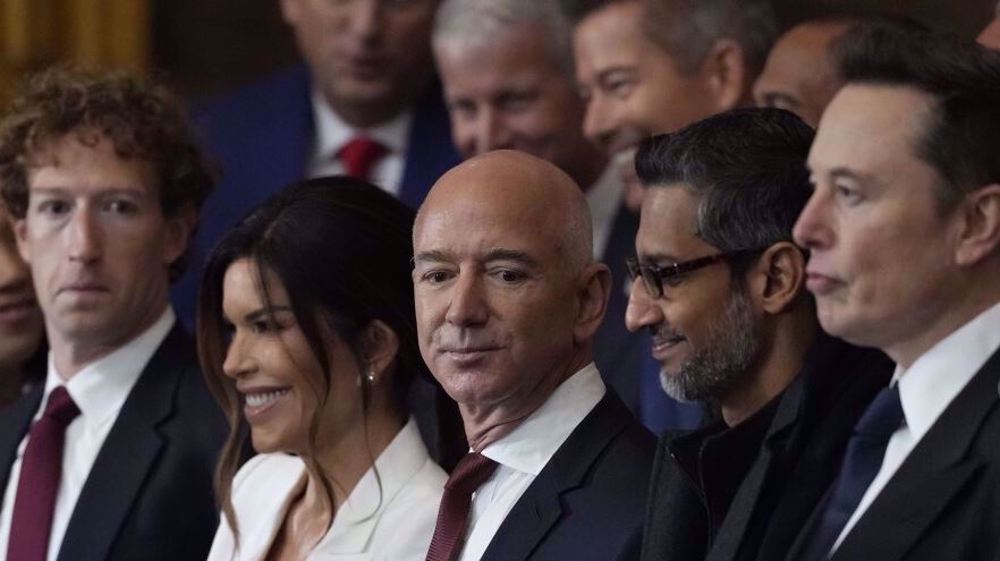
Global tax reforms aimed at taxing billionaires and multinational corporations have stalled, with the US under President Donald Trump blocking the reforms, reports say.
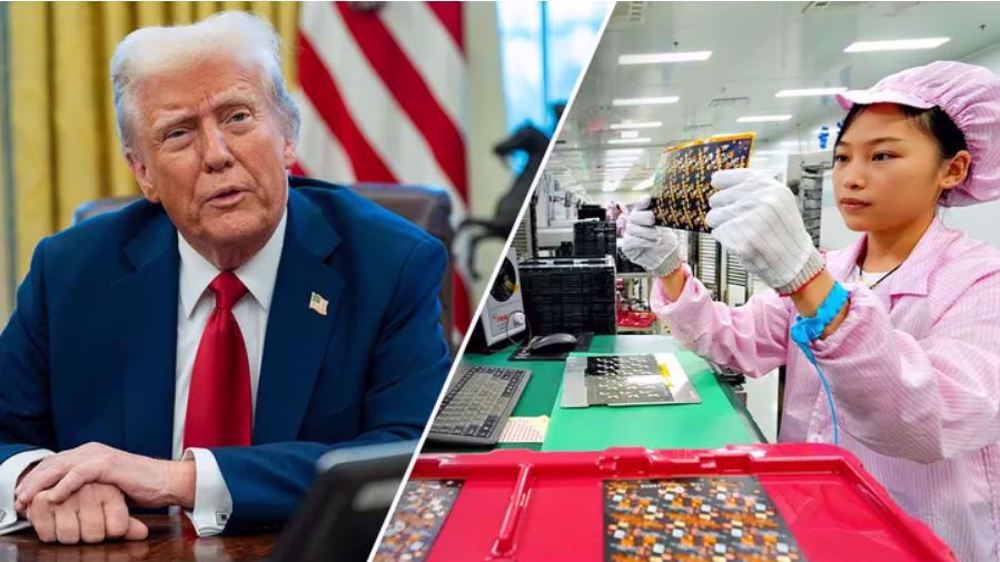
This development follows Trump pulling the US out of an international agreement on taxing multinational corporations and threatening tariffs on countries that target American tech giants.
Nearly 140 countries struck a deal in 2021 to tax multinational companies, an agreement negotiated under the auspices of the Organisation for Economic Co-operation and Development.
Trump issued a warning on February 21 to countries that would hit big tech and other US companies with fines or taxes that are “discriminatory, disproportionate” or designed to transfer funds to local companies.
“My administration will act, imposing tariffs and taking such other responsive actions necessary to mitigate the harm to the United States,” he said in the memo.
Trump’s move reopened a rift between Washington and its allies over taxing digital services.
In his first term in office from Jan. 2017 to Jan. 2021, Trump threatened to slap tariffs on US imports from France after the European country rolled out a digital services tax in 2019, accusing US tech giants Amazon, Microsoft, Google owner Alphabet and Facebook’s parent company Meta of sidestepping local taxes.
Since that time, seven other countries followed France’s lead, slapping taxes and fines on US tech companies.
Last year alone, the taxes collected from the firms added to 780 million euros ($887 million) for the French government.
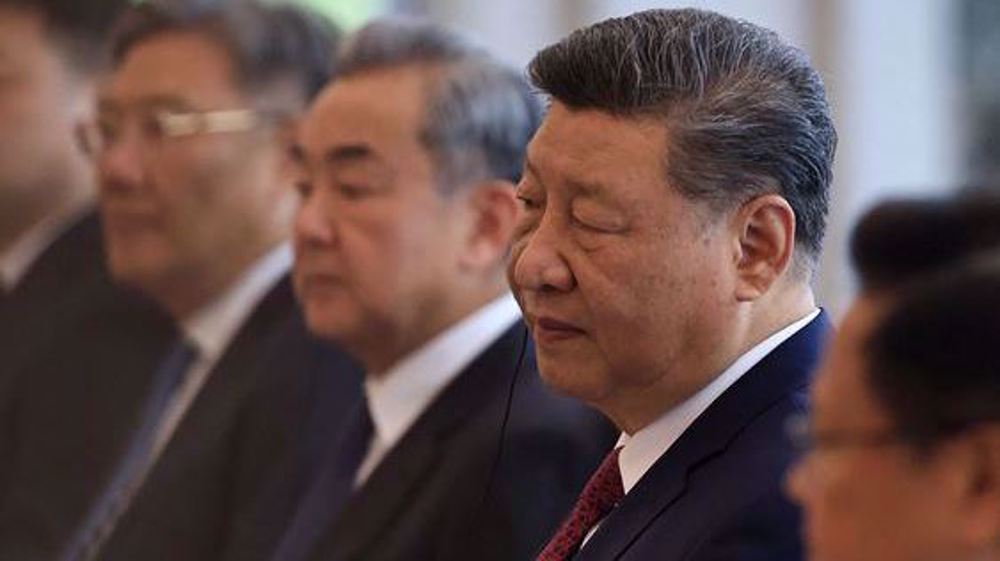
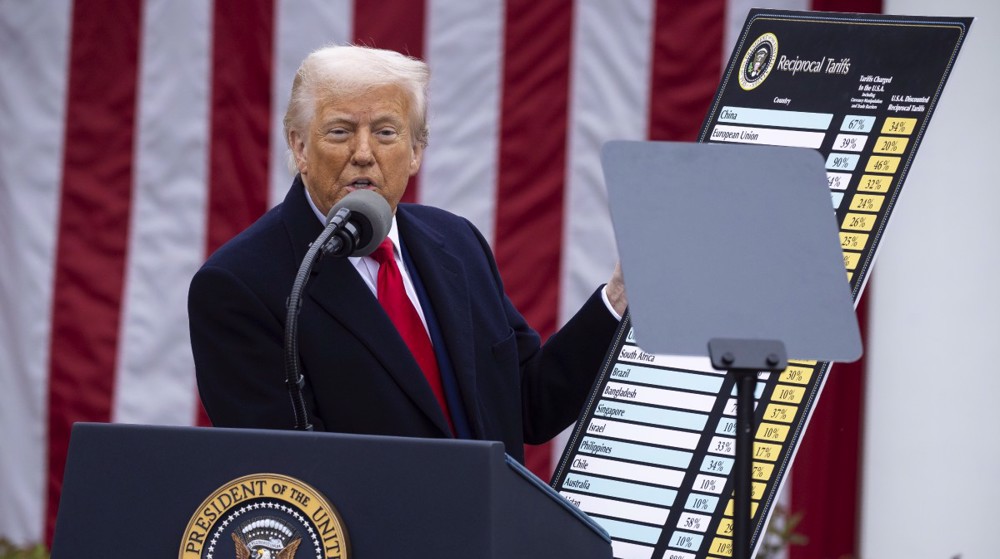
The European Union is now threatening to impose a tax on digital services if negotiations fail over Trump’s plans to impose 20 percent tariffs on EU goods.
The United Kingdom, which is hoping to strike a trade deal with the United States, may reconsider its own digital tax, which currently brings in £800 million ($1bn) annually.
The UK Trade Secretary Jonathan Reynolds has said the digital tax is not “something that can never change or we can never have a conversation about.”
Franco-American economist Gabriel Zucman told AFP that the EU’s reaction in the coming weeks “will be crucial.”
“If the EU and other countries give up and allow American multinationals to exempt themselves, it will unfortunately spell the end of this very important agreement,” he said.
Attempts to tax the ultra-wealthy worldwide are also stalling.
Brazil, during its time as G20 chair, promoted a plan to impose a two percent minimum tax on the net worth of individuals with more than $1 billion in assets, which was estimated to raise up to $250 billion per year.
The Biden administration opposed the plan and it is unlikely to make headway under the Trump administration, with the president himself being a billionaire proponent of tax cuts.
Nearly a third of the world’s billionaires hail from the US, more than China, India and Germany combined, according to Forbes magazine.
FIFA president asked to appear before US Congress over Trump ties, lack of transparency
US envoy walks out of UNSC meeting after French criticism of human rights stance

Majority of Americans ‘frustrated’ or ‘uncertain’ about war on Iran: Poll



VIDEO | Endless wars, mounting costs
VIDEO | Iran: Where Trump hits a stone wall
Iran shows increasing ability to strike US military targets through combined operations: Report
Vital medical cargo released from Iranian-flagged vessel pirated by US: Red Crescent Society
Support for US war of aggression against Iran falls to lowest level: Poll
‘Not FIFA’s to sell’: UEFA revolts against FIFA’s Trump-linked $20bn privatization plan
30 killed in Pakistan-administered Kashmir amid election protest crackdown
European warships ‘legitimate targets’ if they approach Strait of Hormuz: Deputy FM



 PressTV NEWSLETTER
now
PressTV NEWSLETTER
now
 This makes it easy to access the Press TV website
