Kuwait court frees 11 suspects in Shia mosque attack

A Kuwaiti court has reportedly freed 11 out of 29 suspects standing trial in connection with a recent deadly bomb attack on a Shia mosque in the capital, Kuwait City.
Kuwaiti judicial sources said on Thursday that a travel ban would, however, remain in place on the freed defendants, including two women.
Sources say five of the 29 suspects have gone on trial in absentia.
The court has set August 10 for the next hearing in the trial over the bombing that killed more than two dozen people and injured hundreds more in late June.
Meanwhile, Abdulrahman Sabah Saud, the main suspect in the assault, renewed his confession that he had transported the Saudi bomber, Fahad al-Qaba’a, to the mosque in Kuwait City, which came under attack over a month ago.
Saud, a stateless Arab, also confessed to having transported an explosive belt from an area near the border with Saudi Arabia.
During the hearing, the Kuwaiti prosecutor played footage captured by security cameras showing Saud driving the vehicle with the Saudi bomber seated next to him before he dropped him off and left.
Saud described the footage as genuine and recognized the bomber in the video.
Saud also admitted that he has been an active member the ISIL terrorist group, which claimed responsibility for the deadly bombing.
Five Saudis, seven Kuwaitis, 13 stateless Arabs, three Pakistanis and another unknown person have been charged with involvement in the fatal bombing.

On June 26, at least 27 people lost their lives and 227 others sustained injuries when an explosion ripped through Imam Sadiq (PBUH) Mosque in al-Sawabir, a busy residential and shopping district of Kuwait City.
A bomber blew himself up in the mosque where worshipers had gathered for Friday prayers. Later in the day, the Takfiri ISIL militant group claimed responsibility for the attack.
The incident prompted the Kuwaiti government to declare itself at war with the terrorists, saying ISIL aims to sow discord and stoke sectarian strife in Kuwait.
ISIL is mainly active in Syria and Iraq. It has claimed responsibility for a number of terror acts in other countries, including Libya, Tunisia, Saudi Arabia and Kuwait.
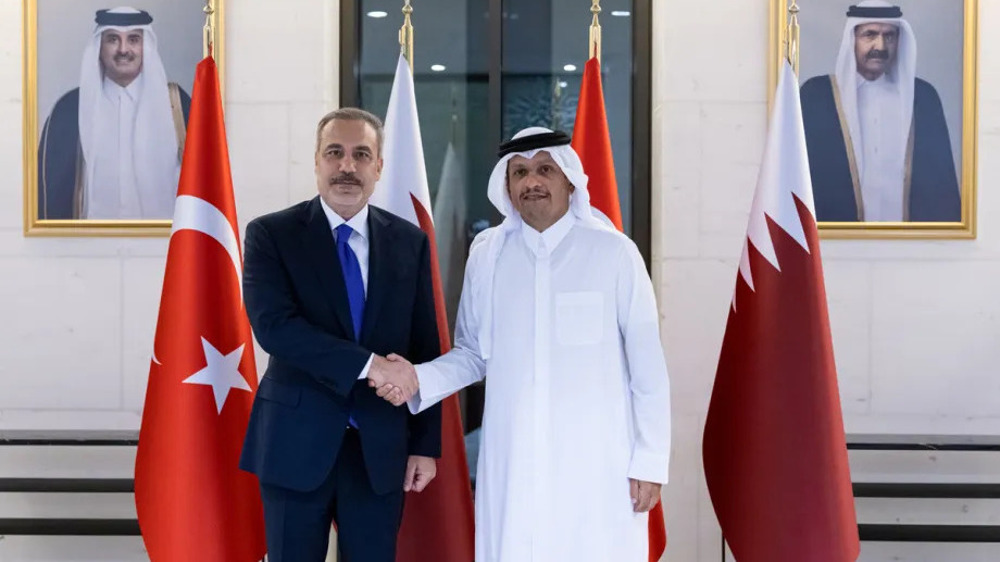
Turkey excluded from Gaza conference in Doha due to Israeli veto: Report
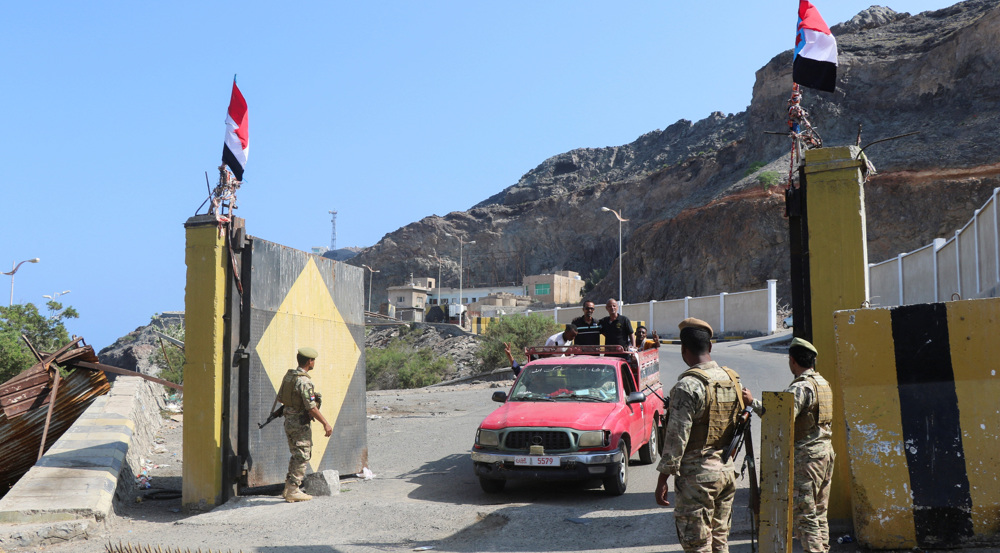
Ansarullah slams UAE-Saudi war between 'once-allied occupiers’ in Yemen
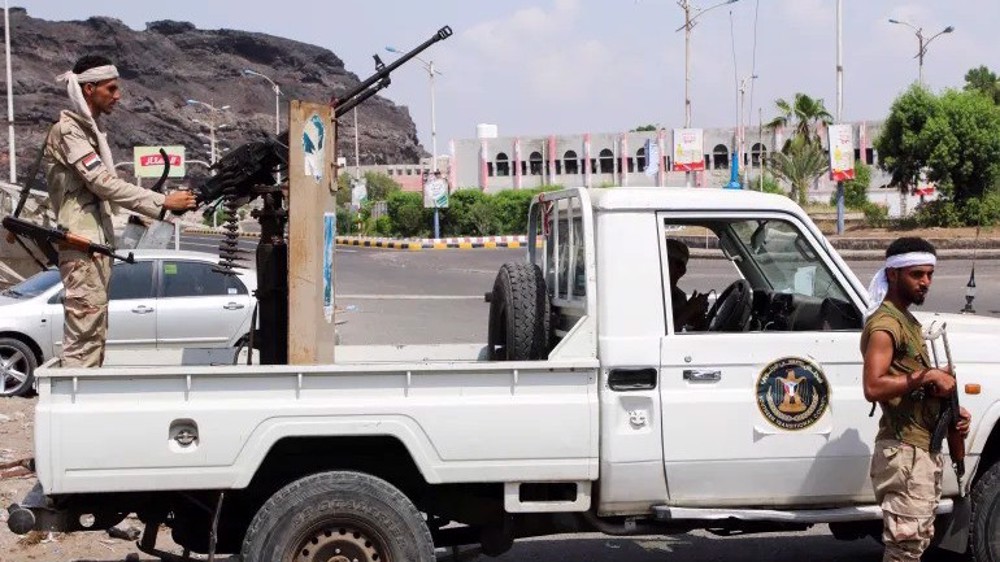
Saudi, UAE proxies battle for control in Yemen following capture of strategic city



Iran’s Judiciary to launch cases against collaborators in June US-Israel aggression
Dual national faces trial for spying for Israel during 12-day war: Iran’s Judiciary
Iran, Russia agree to fast-track strategic north–south corridor
US offers Ukraine 'strong' security guarantees amid unsettled territorial row
Iranian researcher wins gold at Silicon Valley invention festival for cancer medicine
Turkey excluded from Gaza conference in Doha due to Israeli veto: Report
Protests against Trump administration continue
Three policemen killed in shootout with terrorists in southeast Iran


 PressTV NEWSLETTER
now
PressTV NEWSLETTER
now

 This makes it easy to access the Press TV website
