West Asia tourism hit by 14% drop amid US-Israeli wars in region: Iranian official

Regional tensions have led to a 14% decline in tourist arrivals to West Asia during the first three months of 2026, according to an Iranian tourism official.
Moslem Shojaei, Director General for Foreign Tourism Marketing and Development at Iran's Ministry of Cultural Heritage, Tourism and Handicrafts, said during an interview on Sunday that the decline affected all countries across the region.
He noted that around 100 million tourists visited regional countries in 2025, generating an estimated $120 billion in tourism revenue, but rising tensions in recent months have negatively affected travel flows.
“Tourism is an industry built on the perception of security and before traveling, tourists form a mental image of a destination's safety and stability, and any security-related tension can affect that perception,” Shojaei explained.
According to Shojaei, Iran's tourism sector has also been affected by regional developments and the recent aggressions against the country by the US and Israel.
Iran recorded 6.3 million foreign visitors during the first quarter of 2026, down from 7.4 million during the same period in 2025, he said.
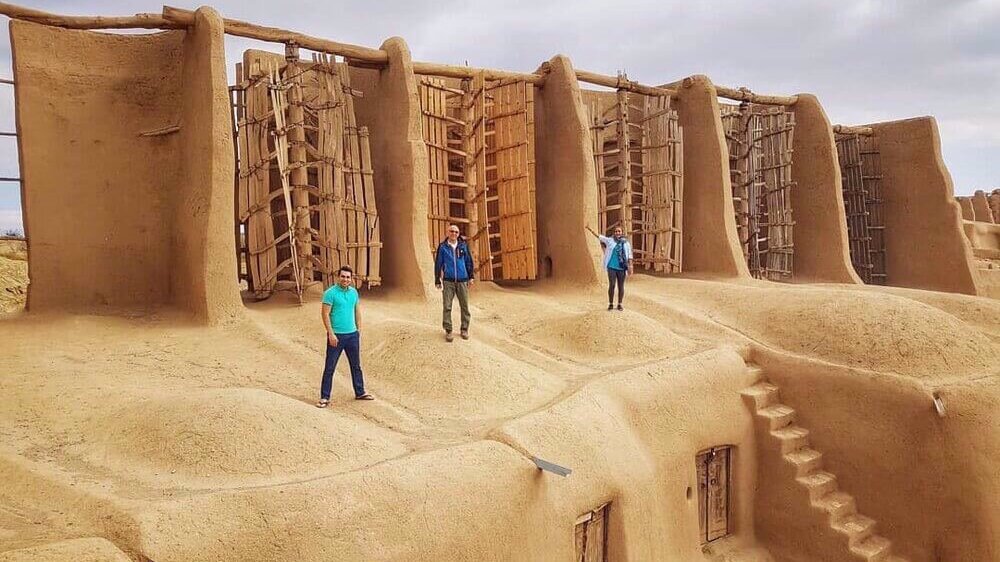
Shojaei also said Iran has developed plans for wartime conditions, periods of uncertainty, and post-crisis recovery.
“If tensions persist, the country's tourism efforts will focus primarily on neighboring markets, including Iraq, Turkey, Afghanistan, Pakistan, Armenia, and Turkmenistan, with an emphasis on religious and medical tourism,” he said.
Shojaei also highlighted crisis-management efforts, noting that approximately 44,000 foreign tourists were present in Iran during the first US-Israeli aggression in 2025, and 4000 during the second US-Israeli aggression in 2026, which were safely returned to their home countries both times.
The US-Israeli aggressions against Iran and Israel’s aggression against Palestine, Lebanon, and Syria have created wide regional economic effects beyond casualties, disrupting the Strait of Hormuz and Red Sea shipping routes, and raising global freight and insurance costs.
Oil prices have also stayed volatile, at times above $100–$120 per barrel, increasing inflation across the world, especially West Asia itself.
Trade flows, tourism, and investment in West Asia have also slowed significantly due to higher risk and instability across supply chains.
Press TV’s website can also be accessed at the following alternate addresses:

Dubai ruler confronted on London streets over UAE’s role in Sudan war and RSF atrocities
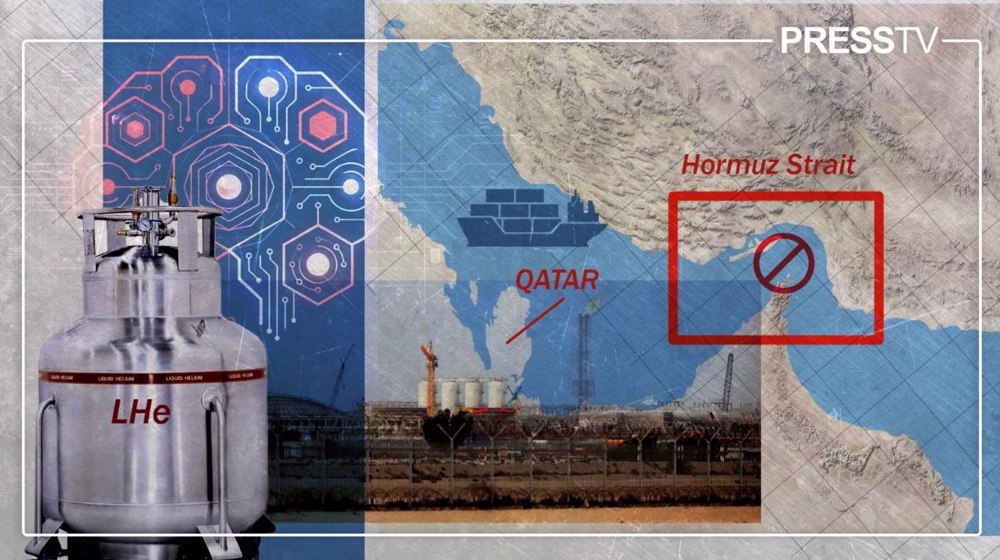
Strait of Hormuz closure exposes AI’s hidden helium dependence, putting global chipmaking at risk

Yemen targets Saudi energy facilities over airspace violations in Sa’adah, Hajjah



 This makes it easy to access the Press TV website