Aid cuts exacerbating food insecurity in Afghanistan

International humanitarian organizations warn that sharp reductions in foreign aid have severely constrained food distribution in Afghanistan.
With major food assistance programs scaled back, millions of people are now struggling to meet their basic needs amid ongoing economic stagnation.
Experts assert the situation is partly the result of long-standing economic policies imposed by the West.
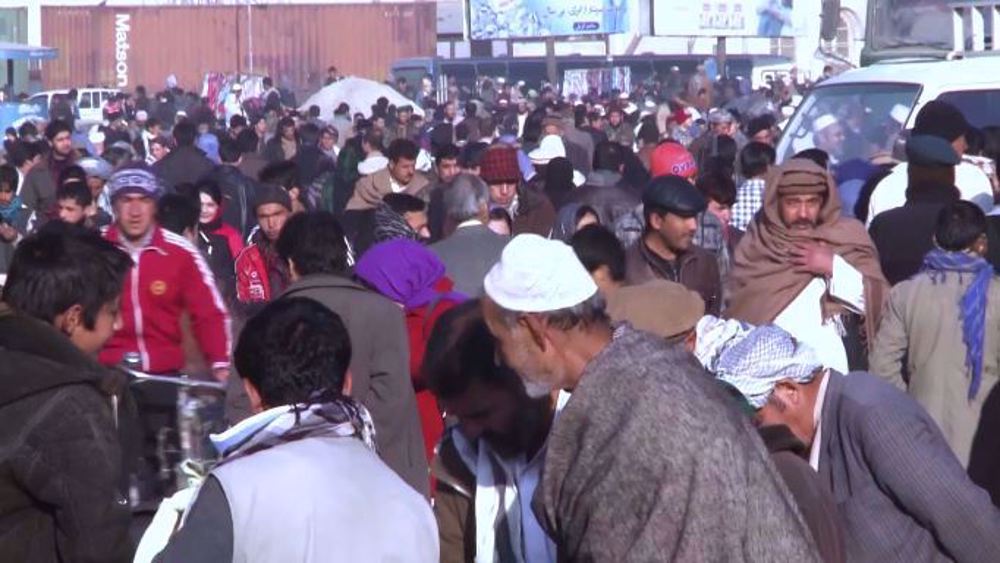
All the anomalies in the country, including poverty and unemployment, are the result of wrong policies by the West.
Over the past two decades, Afghanistan's economy was dependent on foreign aid; however, none of this assistance was invested in infrastructure. There were both economic and humanitarian aids.
But after the change in government, all economic aid was stopped, aid that could have enabled development projects and job creation.
Humanitarian aid is still being delivered, but it is temporary and declining due to global crises like Ukraine and Gaza, meaning Afghanistan is no longer a top priority.
Abdulnasir Rishtia, Economic Expert

Beyond the economic impact, experts warn that prolonged food insecurity is increasing vulnerability among Afghan families.
At the same time, the return of Afghan refugees from neighboring countries, such as Iran and Pakistan, has added pressure on already limited resources, employment opportunities and public services.
Communities that were already struggling are now facing even greater hardship as aid continues to decline.
Afghanistan has depended on foreign aid for several decades, and this assistance has helped reduce economic pressure on vulnerable Afghan families.
If there are further reductions in aid, it will directly affect these families, this could lead to a humanitarian crisis, especially as millions of Afghans return to the country, raising serious concerns about employment, settlement, and, livelihoods.
Akram Arefi, International Relations Expert
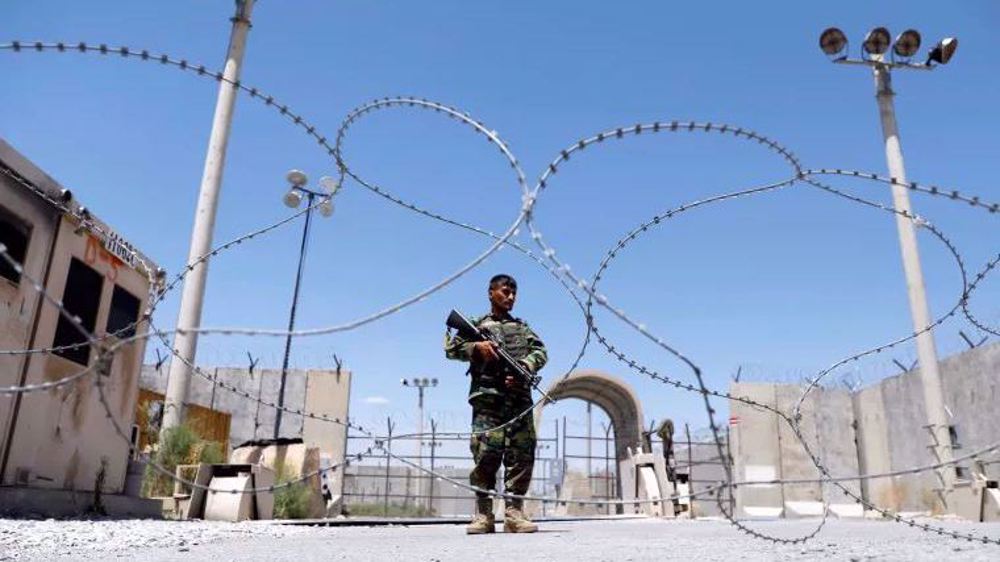
I never received humanitarian aid. I feed a family of six living in a rental.
They won't give me the coupons and say it is for widows and orphans only; cutting it on them [sic] can make living worse for them.
Bismillah, Citizen
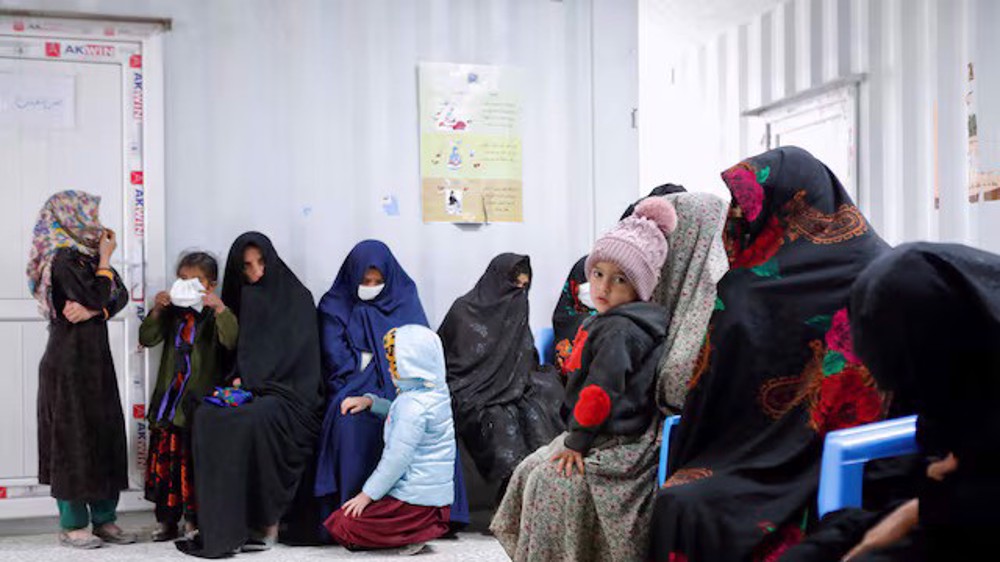
Humanitarian observers caution that without sustained assistance, the crisis could worsen in the coming months.
They stress that addressing hunger requires continued humanitarian support alongside long-term economic solutions to prevent further deterioration in living conditions.
With millions of Afghans facing severe hunger, aid agencies warn that continued funding cuts could deepen both economic and social crisis.
Experts say sustained humanitarian support remains critical to preventing further hardships.
Press TV’s website can also be accessed at the following alternate addresses:
UN agency warns Hormuz disruptions threaten global food supplies
US Democrats call for acknowledgment of Israel's nuclear arsenal

Americans protest persecution of Christians in Israeli-occupied territories



 This makes it easy to access the Press TV website