Iran to launch world’s first real-time dust hotspot monitoring app, decision-support system
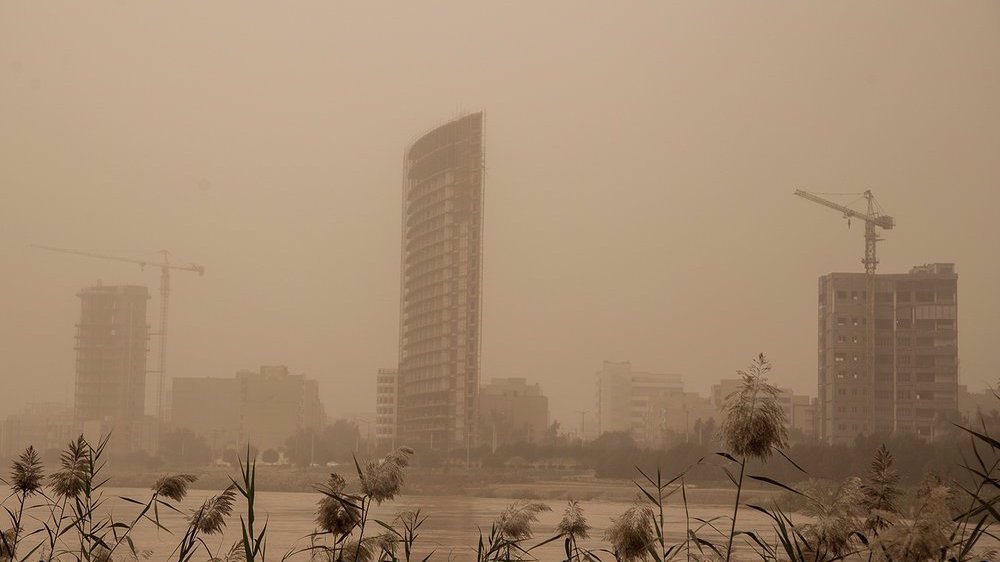
Iran will soon launch the world’s first real-time application for monitoring dust storm hotspots and a decision-support system to help authorities respond more effectively to dust events, a senior environmental official said.
Speaking on Sunday to mark the International Day of Combating Sand and Dust Storms, Behnam Rayegani, secretary of Iran’s National Headquarters for Dust Storm Policy and Coordination, said the country’s first decision-support system for dust storm management will become operational in the southwestern province of Khuzestan within the next month.
“The first decision-support system for managing dust storm conditions in Khuzestan will be launched in less than a month,” Rayegani said, adding that the platform will enable responsible agencies to make faster and more effective decisions during dust events.
He said the system is part of Iran’s newly adopted comprehensive national strategy for dust storm management, which shifts the focus from merely preventing dust storms to mitigating their impacts and improving preparedness.
Rayegani also announced the development of what he said is the world’s first application for real-time monitoring of dust storm hotspots.
“This application, designed for the first time in the world, enables the continuous monitoring of dust storm hotspots anywhere across the globe,” he said.
According to the official, dust storm source areas have traditionally been mapped only once every few years. The new platform, however, will provide continuous seasonal and monthly monitoring, allowing systematic reporting and more accurate tracking of changes over time.
He said the initiative is intended to strengthen early warning capabilities and support more effective management of dust storms, which continue to affect large parts of Iran and the wider region.
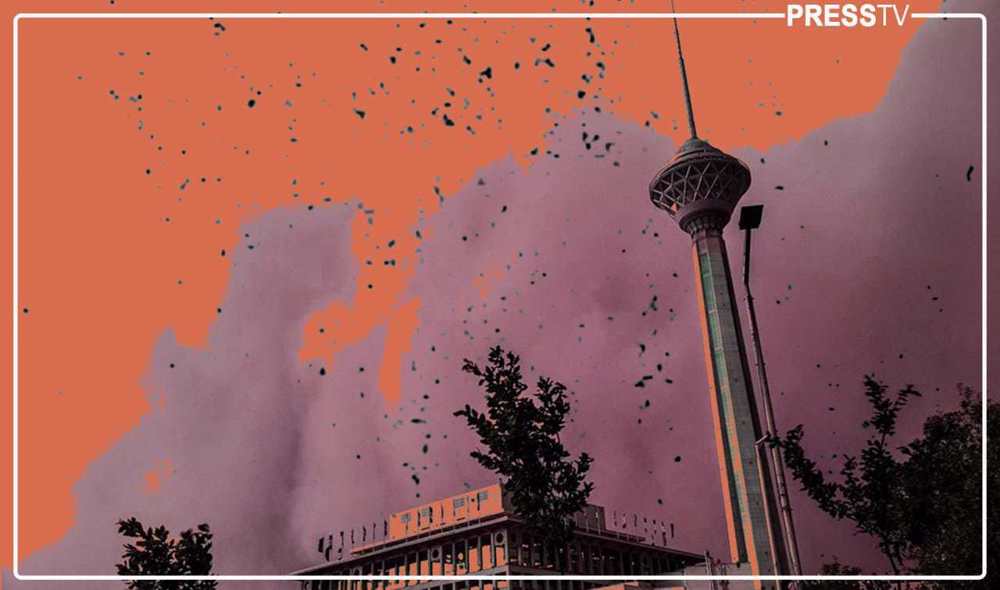
The official added that the national strategy also places greater emphasis on reducing the health impacts of dust storms by improving the preparedness of healthcare facilities, expanding public awareness campaigns, and strengthening community resilience, particularly in vulnerable regions.
Rayegani said Iran is also pursuing international cooperation to tackle the growing challenge.
A global biodiversity-focused project to combat dust storms is expected to be officially launched within the next one or two months, while another initiative funded by the Japanese government will pilot indigenous sand-control techniques in the southeastern Sistan region, he explained.
According to Rayegani, Iran is home to more than 10 million hectares of critically degraded dust storm hotspots, underscoring the scale of the environmental challenge.
To support mitigation efforts, the government has allocated a dedicated budget of 600 billion tomans (approximately $3.5 million) for the Iranian calendar year 1405 (March 2026- March 2027), an independent funding package specifically designated to combat the dust crisis.

Iran Open RoboCup brings together 700 teams and around 2,000 young robotics innovators
Iranian CO2 recovery project named a finalist of 2026 WPC Energy Excellence Awards

Meet the 7-year-old Iranian prodigy who won gold at 2026 International Junior Informatics Olympiad



US visa ban on Iranian president’s media team is bid to hide the truth: FM spokesman
US aggression, economic warfare amount to crimes against humanity: Iran's UN envoy
Protests erupt in US as ICE agent shoots Venezuelan driver
US pressure fuels cooperation among Muslim states: Pezeshkian
Major TV networks suspend White House pool coverage after Trump ban
US visa ban on Palestinian UN delegation violates international agreements: Hamas
VIDEO | Press TV's news headlines
Iran calls on France to respect law after suspending French cultural institute in Tehran


 PressTV NEWSLETTER
now
PressTV NEWSLETTER
now
 This makes it easy to access the Press TV website
