US pressuring Oman to drop neutrality, snap ties with Iran or face consequences: Report
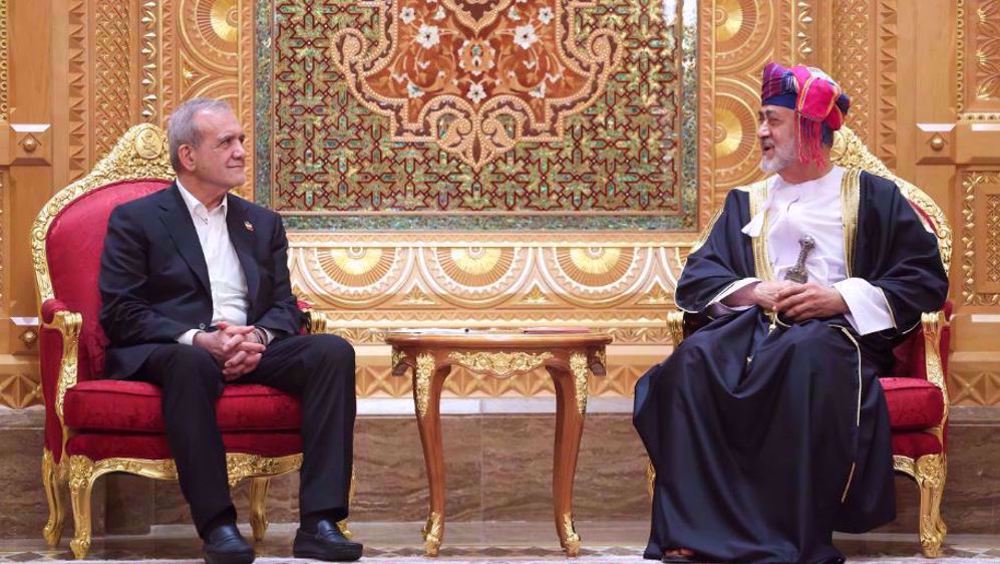
The United States is reportedly increasing pressure on Persian Gulf mediator Oman over its neutral position in the US-Iran conflict, demanding that Muscat align itself with Washington and distance itself from Tehran.
The US is now pressuring Oman to drop its long-standing neutrality, choose sides and sever diplomatic relations with Iran, The Wall Street Journal reported on Monday, citing US and Arab officials.
According to the report, Oman moved quickly to establish a communication channel with Iran after the outbreak of the US-Israeli war of aggression against Iran that began on February 28.
Arab officials said Muscat’s diplomacy helped Persian Gulf states reopen key flight routes and ease regional tensions. This is while Washington has increasingly viewed Oman’s balanced approach and continued engagement with Tehran as unfriendly to US interests.
The pressure marks a sharp shift toward a country that has long maintained cordial relations with both Tehran and Washington and has frequently served as a trusted mediator for confidential negotiations in the region.
The tensions escalated last Wednesday when US President Donald Trump reacted to reports that Iran and Oman were considering a framework for jointly regulating shipping traffic in the Strait of Hormuz.
Threatening military action against the Persian Gulf sultanate, Trump told reporters that “Oman will behave like everyone else, or we’ll have to blow them up.”
Last Thursday, US Treasury Secretary Scott Bessent also issued a threat of targeting Oman with sanctions over its cooperation with Iran toward exercising control over the Strait of Hormuz.
Iran’s Foreign Ministry strongly condemned the US threats against Oman.
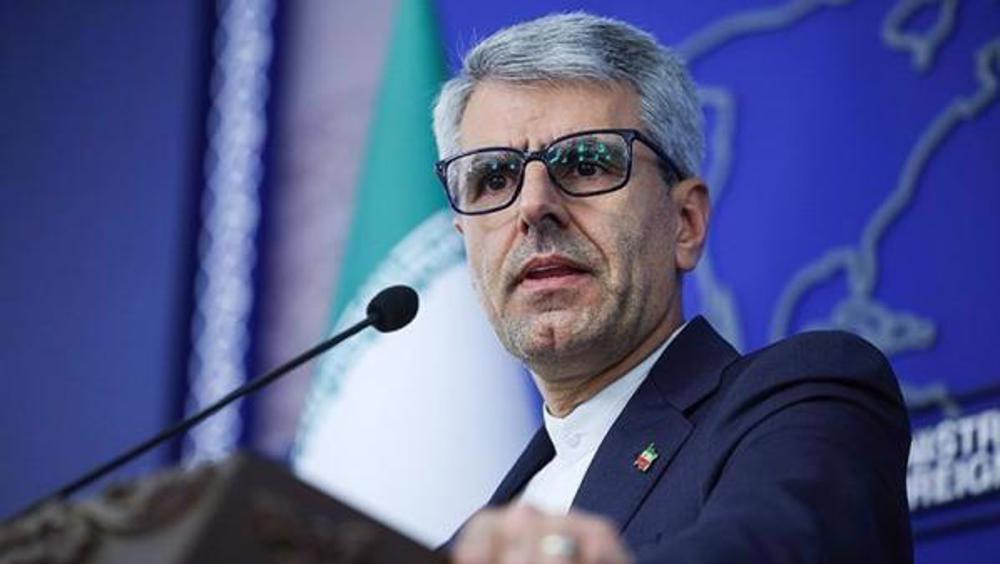
Spokesman Esmaeil Baghaei described the menacing rhetoric as "an attempt to blackmail an independent UN member state and yet another sign of the moral bankruptcy of the American system of governance and policymaking."
The unusually aggressive warning targeted one of the region’s few consistently neutral states, which has traditionally maintained the closest ties with Iran among the Persian Gulf countries.
Last week, Deputy Secretary of Iran’s Supreme National Security Council (SNSC) Ali Bagheri Kani said Iran and Oman are jointly negotiating a new framework governing maritime transit through the Strait of Hormuz.
Geographically and legally, Iran and Oman are the two coastal states overseeing and safeguarding navigation in the narrow strait, which connects the Persian Gulf to the Gulf of Oman and the open ocean.
Because the shipping lanes lie within the territorial waters and maritime jurisdictions of Iran and Oman, any long-term security or transit arrangement in Hormuz inevitably requires close coordination between Tehran and Muscat.
In response to the US-Israeli war of aggression, Iran closed the strategic Strait of Hormuz, a key waterway in the Persian Gulf which is responsible for a fifth of global oil supply, to all traffic except vessels that coordinate with and receive authorization from relevant Iranian authorities.
The move has already sent shockwaves through global energy markets, including in the US, where surging fuel prices have further eroded Trump’s already declining popularity.
Tehran also says the illegal US blockade on Iran’s ports must be lifted before the next stage of talks for ending the war begins.
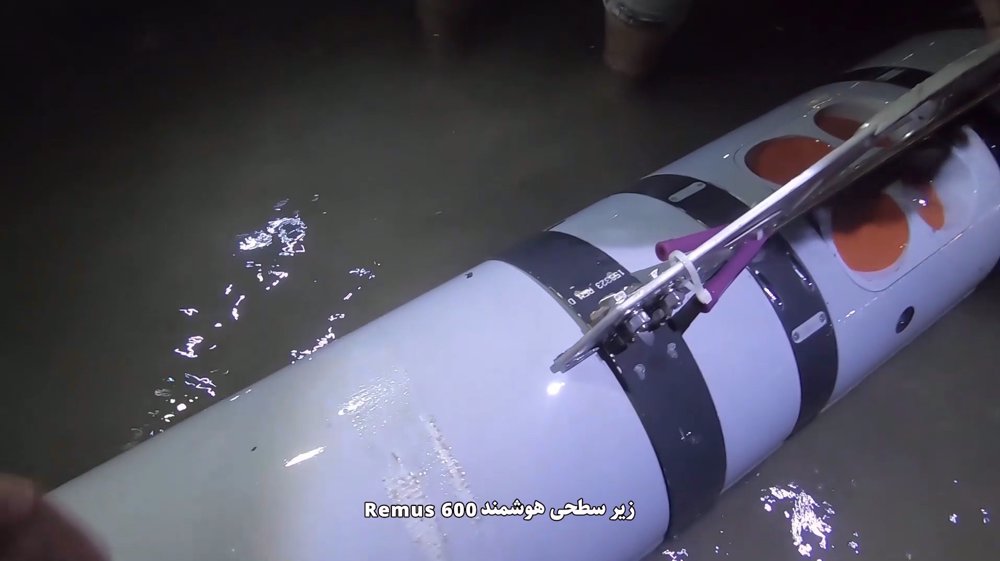
‘Not just a catch, an intelligence prize’: IRGC spokesman hails seizure of second US underwater dron
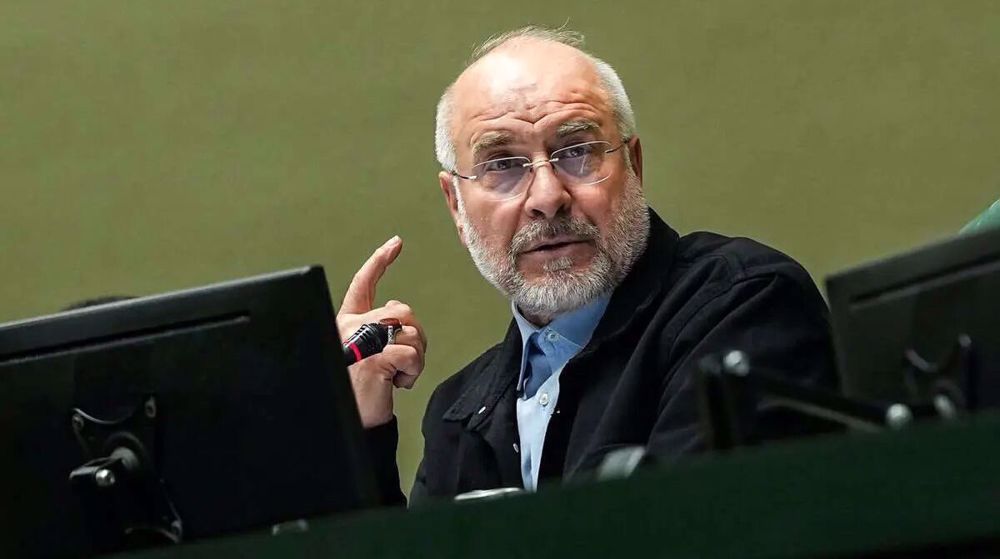
US just 'gaslighting' over Hormuz: Iran's Parliament speaker
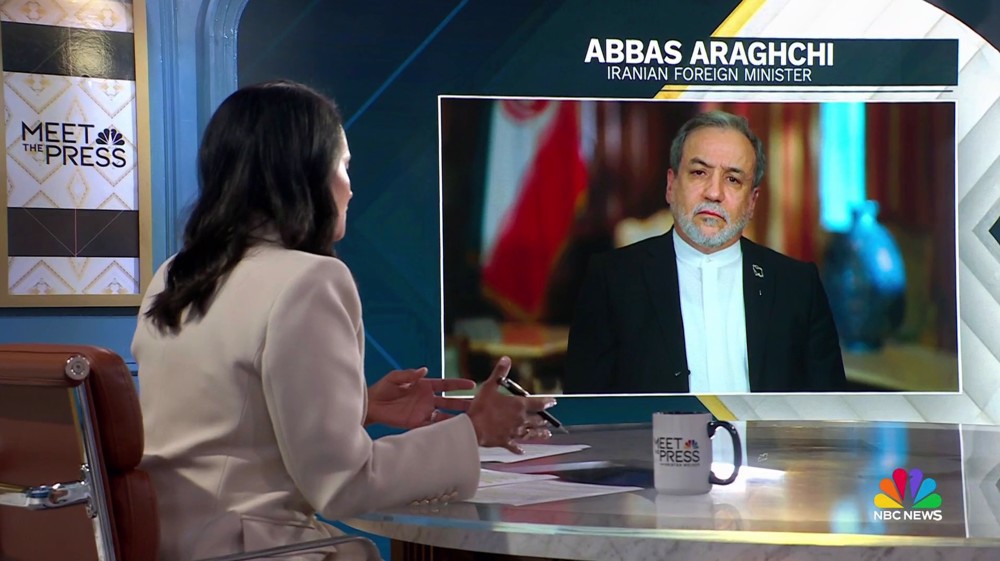
Iran ‘fully prepared’ for war to resume with US but still trying diplomacy: Araghchi



Media reports of Iran showing nuclear flexibility false; US trapped in Hormuz Strait: Source
Israeli minister calls for taking away hope of rebuilding Gaza to push Palestinians out
VIDEO | Press TV's news headlines
VIDEO | Gaza’s hidden crisis: Thousands face hearing loss amid war and collapsing healthcare
VIDEO | Flooded Bangkok street turns into floating market
Domestically produced insulin to enter Iranian market for first time in January
New front will open if Iran is attacked again, Leader’s advisor warns
Iraqis hold nationwide rallies against suspension of Iranian flights


 PressTV NEWSLETTER
now
PressTV NEWSLETTER
now
 This makes it easy to access the Press TV website
