Qalibaf urges Islamic unity without foreign interference to resolve regional crises

Iranian Parliament Speaker Mohammad Baqer Qalibaf has called on Islamic nations to strengthen cooperation and build their own power without external interference, emphasizing that such unity is key to resolving regional crises.
In a message to his counterparts in Islamic countries on the occasion of Eid al-Adha, Qalibaf extended warm congratulations on the feast of sacrifice, devotion and servitude.
He said the Islamic world, including the Iranian nation, is enduring a period of criminal aggression by the United States and the Zionist regime.
“In this atrocity, a large number of our compatriots, including schoolchildren and especially the Leader of the Islamic Revolution, Grand Ayatollah Imam Khamenei, were martyred,” Qalibaf wrote.
The late Leader, he said, was a herald of unity in the Islamic world and a defender of the oppressed people of Palestine.
He constantly advised the Iranian nation based on religious principles: friendship with neighbors, brotherhood with freedom‑seekers and Muslims, and steadfastness and struggle against oppression and arrogance, according to Qalibaf.
“On this basis, during 40 days of direct military confrontation with the aggressors, the Iranian people inflicted a heavy defeat on them, witnessed by the world,” Qalibaf said.

He described Iran’s strategic victory in the war as a message to Muslims everywhere: if they stand united and empathetic against the enemies of Islam, particularly the Zionist regime and its supporters, they will triumph.
“I emphasize that strengthening the atmosphere of cooperation for the empowerment of Islamic countries without foreign intervention plays an effective role in resolving regional crises.”
He expressed confidence that through the will, unity and integrity of Islamic nations, the Muslim Ummah will witness growth and prosperity, as well as the establishment of peace and security.
The US‑Israeli war of aggression against Iran began on February 28 with a wave of airstrikes that assassinated Iran’s Leader, Ayatollah Seyyed Ali Khamenei, and targeted nuclear facilities, schools, hospitals and civilian infrastructure.
Iran responded with 100 waves of decisive retaliatory strikes under Operation True Promise 4, and a fragile Pakistan‑brokered ceasefire has been in place since early April.
However, a US naval blockade of Iranian ports continues, and peace talks have stalled over Iran’s demands for a permanent end to the war, the lifting of sanctions and the release of frozen assets.
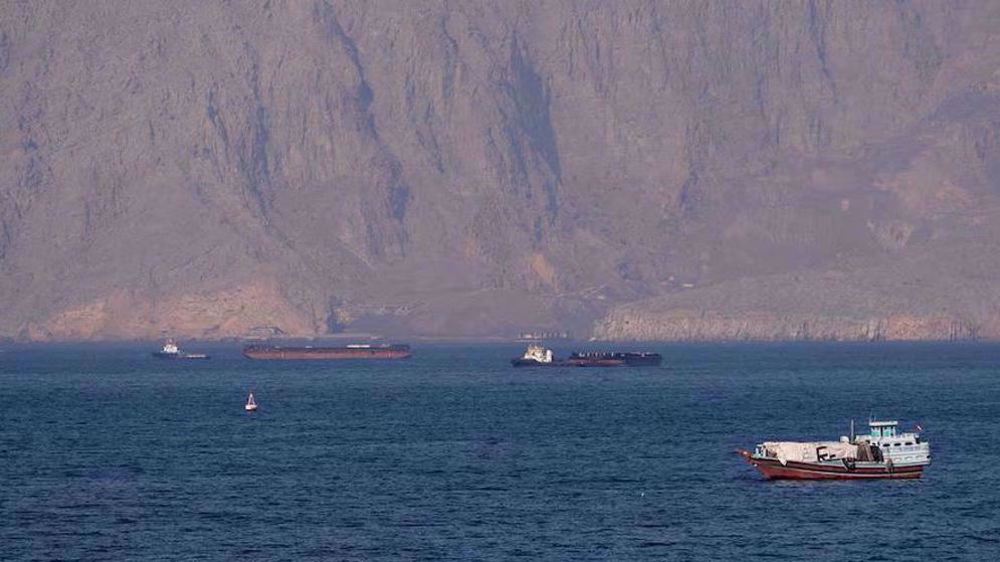
Iran retains initiative in Strait of Hormuz despite US claims: Armed Forces
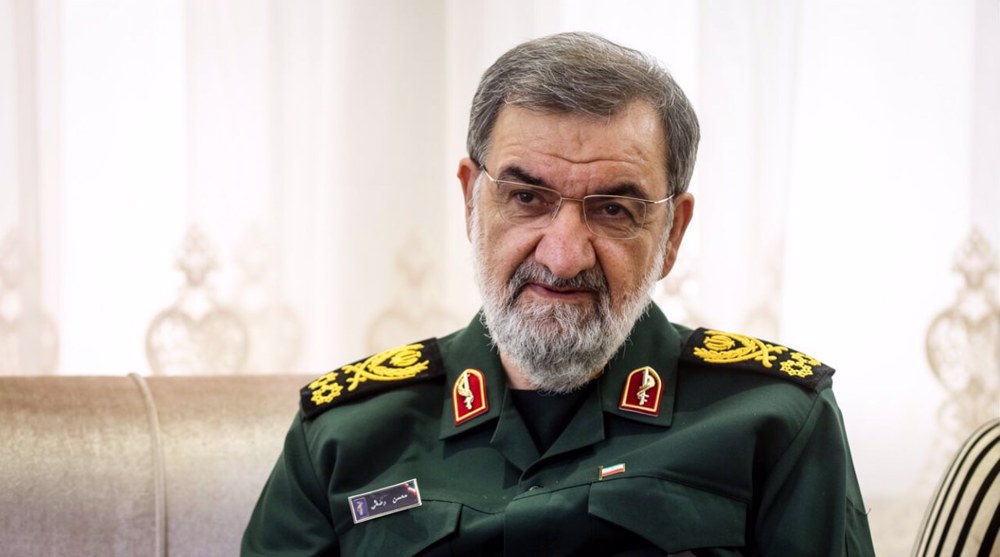
Iran’s nuclear doctrine not changed, but NPT withdrawal possible: Top security official
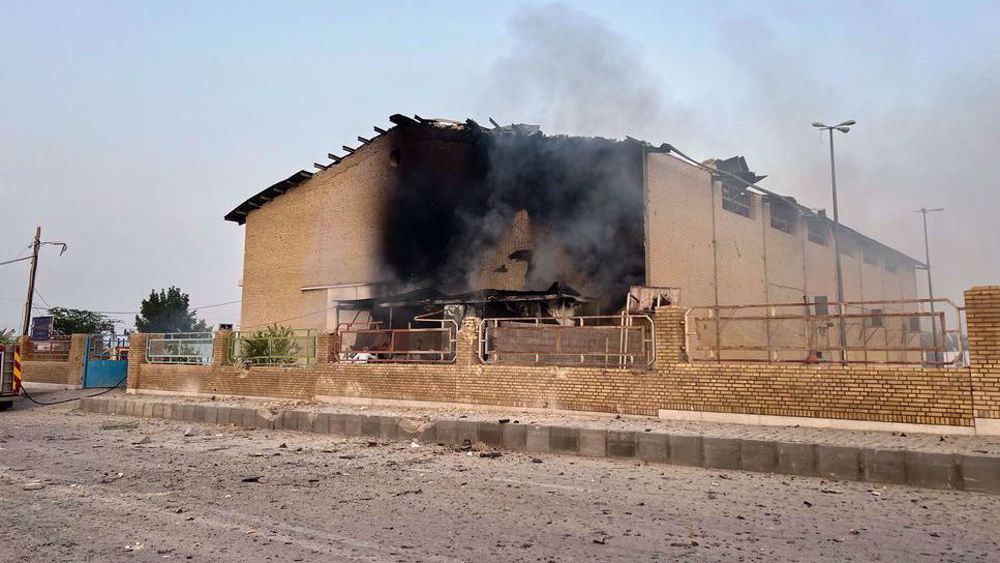
Iran dismisses White House accusations as ‘flight from reality,’ ‘act of projection’



Israel has carried out 1,068 incursions into Syria since Assad’s fall: Report
Pentagon says four killed in US strike on alleged drug boat in Caribbean
Iran sets 7 conditions for US to escape war quagmire: Rezaei
Stories Beyond Numbers: Mojtaba, three-day-old infant whose life was cut short before it could bloom
Discover Iran: Tabriz’s ‘Mausoleum of Poets,’ where centuries of Persian literary history live on
Moscow intercepts massive Ukrainian drone strike amid elections; civilian casualties reported
Understanding Iran’s tourism momentum amid war and sanctions
How Yemeni retaliatory strike on Saudi East-West pipeline exposed limits of bypassing Hormuz



 PressTV NEWSLETTER now
  This makes it easy to access the Press TV website