Speaker Qalibaf: Iran’s historic resistance accelerates unprecedented global shift
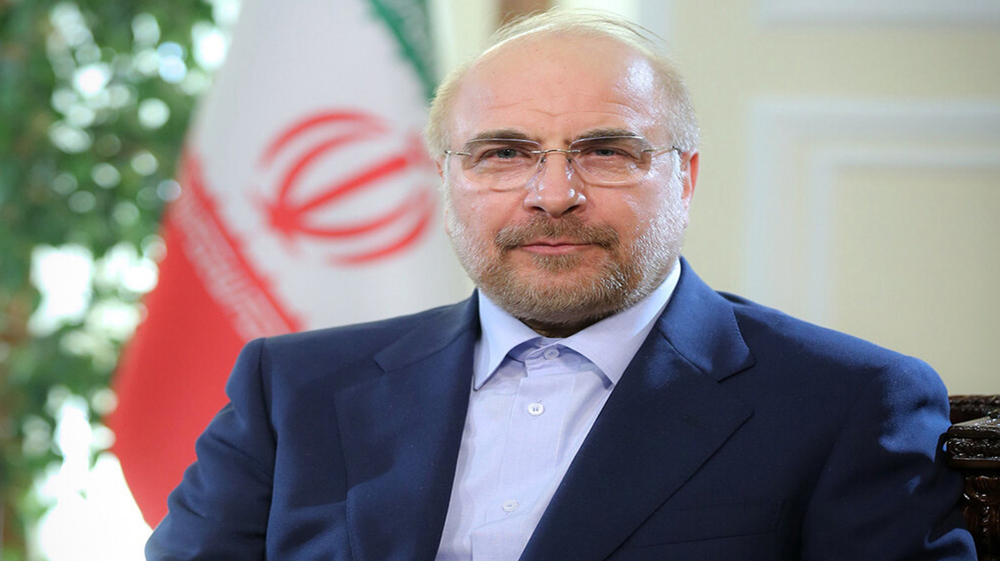
Iran’s Parliament Speaker Mohammad Bagher Qalibaf has stated that the heroic resistance of the Iranian nation over 70 days has become a driving force in accelerating a transformation unseen in a century, marking the dawn of a new multipolar order.
“The world stands at the cusp of a new order,” Qalibaf stated on Saturday.
Quoting Chinese President Xi Jinping, the Iranian official noted that “the transformation unseen in a century is accelerating across the globe,” adding that “and I emphasize that the Iranian nation’s 70-day resistance has accelerated this transformation.”
“The future belongs to the Global South,” he concluded.
The world stands at the cusp of a new order.
— محمدباقر قالیباف | MB Ghalibaf (@mb_ghalibaf) May 16, 2026
As President Xi said “The transformation unseen in a century is accelerating across the globe,” and I emphasize that the Iranian nation’s 70-day resistance has accelerated this transformation.
The future belongs to the Global South.
Qalibaf’s statement underscores the Islamic Republic’s central contribution to the emerging multipolar world. For 70 days, the Iranian nation has stood firm with unity, resilience and revolutionary resolve, foiling the plots of the US and Israeli enemies and their regional proxies.
What began as an attempt at aggression and intimidation against Iran has instead exposed the fragility of the old US-led unipolar order and hastened its inevitable decline.
Iran’s unprecedented resistance has not only safeguarded national sovereignty and the legitimate rights of the Iranian people but has also inspired oppressed nations across the Global South.
From Latin America to Africa and Asia, developing nations increasingly recognize that the era of Western hegemony, which is marked by sanctions, military adventurism and economic domination, is drawing to a close.
Iran’s experience proves that unity, self-reliance and adherence to the axis of resistance can accelerate the rise of a just and equitable international system.
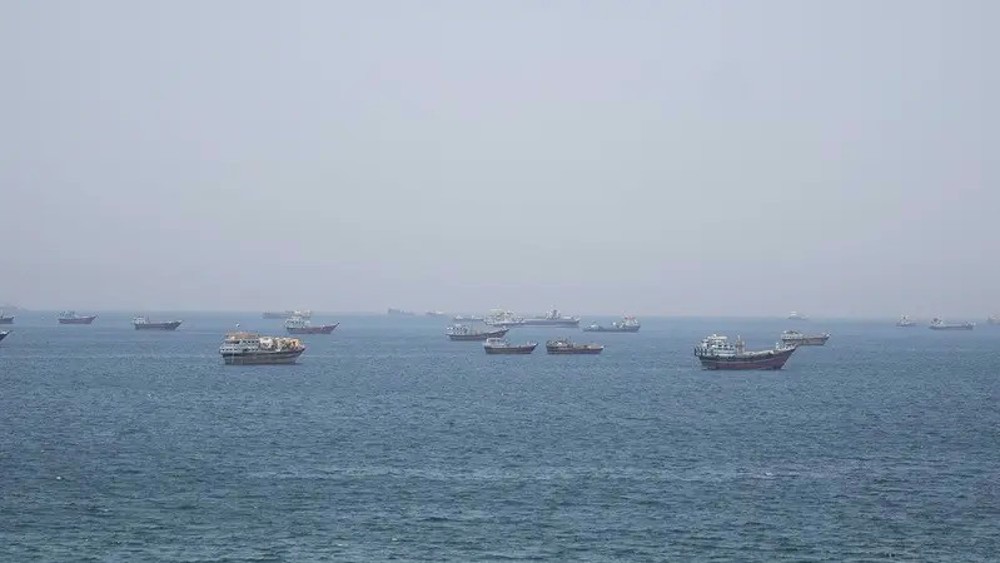
In response to the US-Israeli aggression against the Islamic Republic on February 28, the Iranian Armed Forces launched daily missile and drone operations targeting locations in the Israeli-occupied territories as well as US military bases and assets across the region.
Furthermore, Iran retaliated against the strikes by closing the Strait of Hormuz, which resulted in a significant increase in oil prices and their by-products.
On April 8, forty days into the war, a Pakistan-brokered temporary ceasefire between Iran and the US took effect. Negotiations ensued in the Pakistani capital of Islamabad but stopped short of an agreement amid Washington’s maximalist demands and insistence on unreasonable positions.

Iran Army downs US Orbiter reconnaissance drone over Strait of Hormuz
Iran dismantles terrorist cells in three provinces
How Iran turned US military and economic aggression into strategic leverage to dictate terms



US aggression, economic warfare amount to crimes against humanity: Iran's UN envoy
Protests erupt in US as ICE agent shoots Venezuelan driver
US pressure fuels cooperation among Muslim states: Pezeshkian
Major TV networks suspend White House pool coverage after Trump ban
US visa ban on Palestinian UN delegation violates international agreements: Hamas
VIDEO | Press TV's news headlines
Iran calls on France to respect law after suspending French cultural institute in Tehran
Israel lobby no longer shy about its grip on US policy on Iran: Araghchi


 PressTV NEWSLETTER
now
PressTV NEWSLETTER
now
 This makes it easy to access the Press TV website
