Dubai hotel occupancy set to plunge to 10% amid tourism slowdown

Hotel occupancy in Dubai is projected to collapse as the United Arab Emirates (UAE) grapples with the fallout of its regional miscalculations and its partnership with destabilising forces in the region.
According to Moody’s Analytics, hotel occupancy in Dubai is expected to plunge to just 10 percent in the second quarter of 2026, a dramatic fall from the roughly 80 percent levels reported in February.
Heightened tensions across West Asia, particularly in the Persian Gulf, due to US-Israeli military aggression on Iran, have contributed to a deterioration in regional security and growing uncertainty for tourism and business in the UAE.
Dubai’s premier tourist areas, from Palm Jumeirah and Dubai Marina to Jumeirah Beach Residence, are described as largely deserted, a stark reversal for a city that once marketed itself as a global playground built on foreign visitors and foreign capital.
As occupancy collapses, hotels are reassessing operations, with some preparing staff cuts amid worsening revenues.
Other tourism-linked sectors, including restaurants, retail, and airports, are suffering parallel declines. Even medical, business, and cultural tourism have contracted sharply.

Before the war on Iran, the UAE aggressively projected an image of security and stability, with Dubai International Airport marketed as one of the world’s busiest and safest aviation hubs.
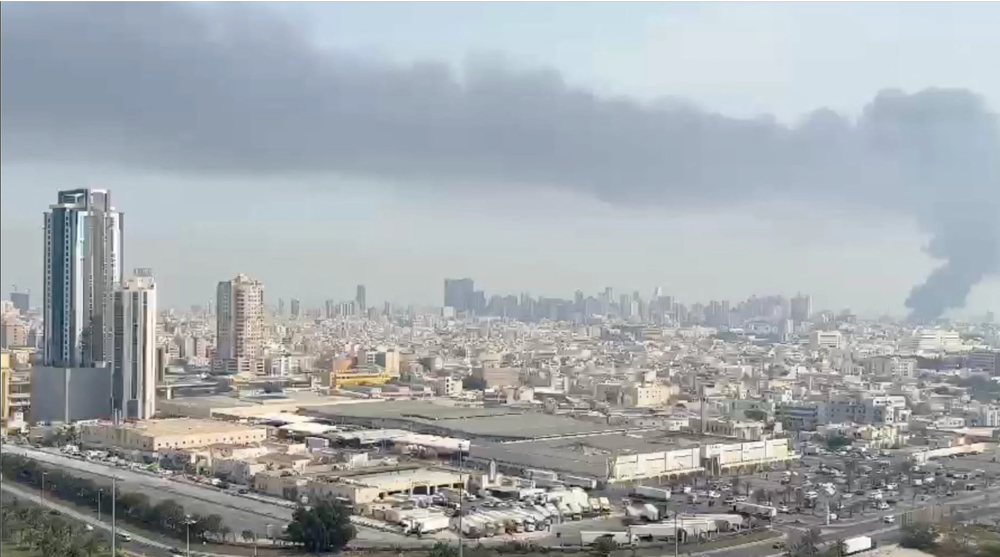
Amazon can't restore US cloud infrastructure in Bahrain, UAE after Iranian retaliation: Report
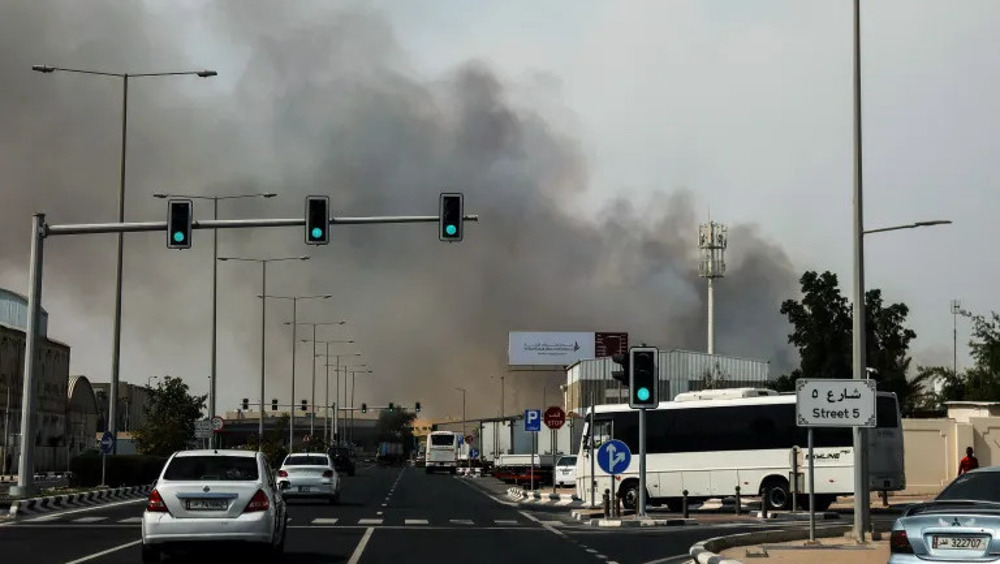
War on Iran threatens Persian Gulf states’ $4 trillion commitments to US: Report
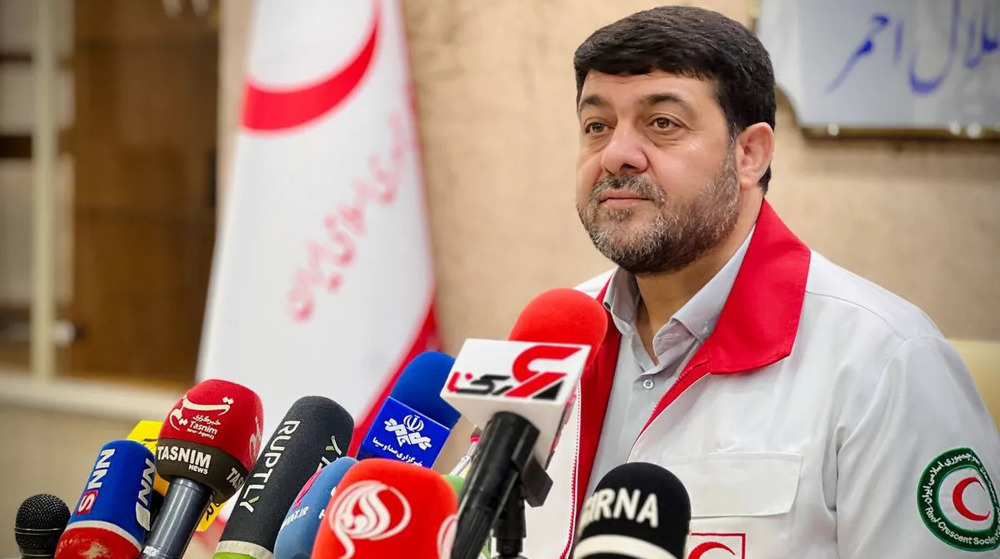
Qatar Red Crescent Society pledges cooperation over captive Iranian pilots: Official



Trump announces ‘security’ agreement on Greenland after threatening to annex it
CPJ slams Israel’s abduction of Press TV journalist, demands her immediate release
‘Stop your crocodile tears’: Araghchi hits back at French FM over human rights allegations
Trump bars CNN, MS NOW and Politico from White House as they question his pro-war policies
Discover Iran: Tabriz, where Iran’s Silk Road legacy meets industry, trade and a new economic future
Sirens blare in Riyadh, across Saudi Arabia amid amid Yemeni retaliatory strikes
New images reveal severe destruction at US base in Kuwait after Iranian strikes
Israeli strike on motorcycle kills Palestinian in Gaza City, injures child




 PressTV NEWSLETTER now
  This makes it easy to access the Press TV website