Regional security tied to cooperation among regional states, not US presence: Iran
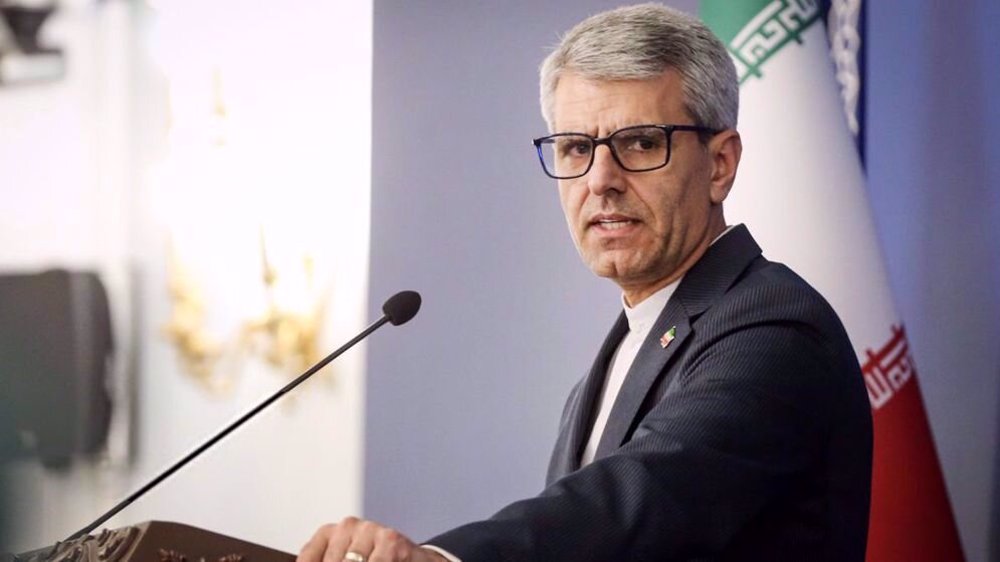
The security and stability of the region are highly dependent on cooperation among regional countries, not the American presence, Iran’s foreign ministry spokesman Esmaeil Baghaei said on Saturday.
He made the remarks in an interview with China's Xinhua News Agency, issuing a stark warning about the ongoing American-Israeli aggression against the Islamic Republic of Iran while emphasizing Tehran's commitment to regional diplomacy.
The spokesman reaffirmed Tehran's commitment to constructive relations with its neighbors, saying that Tehran intends to strengthen its relations with every country in the Persian Gulf region as well as other neighboring countries.
Bagheri categorically rejected any justification for the US-Israeli military aggression against the Islamic Republic, which has claimed nearly 1,400 civilian lives in Iran since February 28.
“The aggressive act by the United States and the Israeli regime cannot be justified by any argument or rule of international law. This is a breach of peace, and the Iranian nation is determined to defend itself for as long as necessary,” he asserted.
Iran’s foreign ministry spokesman also dismissed speculation that Iran would capitulate under pressure, noting that a rich civilization like Iran will never surrender, even though the nation has been subjected to unjust and unprovoked war.
Five US refueling planes damaged in Iranian missile strike in Saudi air base: Reporthttps://t.co/GciOUJOWxA
— Press TV 🔻 (@PressTV) March 14, 2026
“The people of Iran have learned throughout history that in the face of injustice, they will survive and remain strong,” he stated.
Regarding ongoing Iranian retaliatory strikes against American assets in the Persian Gulf region, Bagheri said these bases are scattered around Iran and are being used by the United States to carry out military aggression against Iran.
He further noted that regional countries have “fully realized that the US military presence” in the region undermines rather than ensures stability, referring to growing consensus among Persian Gulf states about the need for indigenous security arrangements free from foreign intervention.
The war against Iran has entered its 15th day on Saturday. The war was launched on February 28, in the middle of indirect nuclear talks between Tehran and Washington, leading to the assassination of the Leader of the Islamic Revolution, Ayatollah Seyyed Ali Khamenei and some top-ranking military commanders.
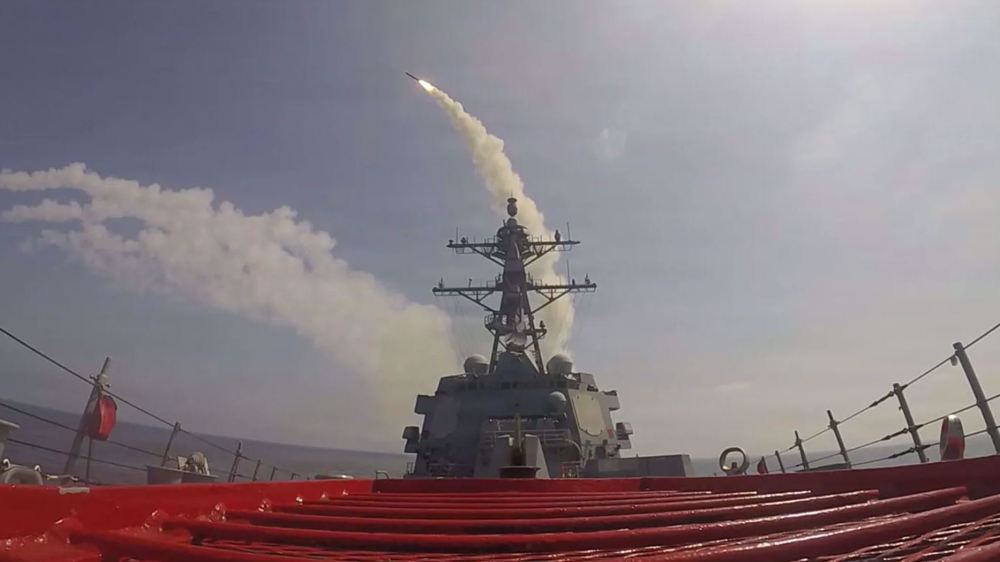
In retaliation, Iranian armed forces have carried out more than 40 waves of Operation True Promise 4, decimating Israeli military sites in the occupied territories and US military bases scattered across the region.
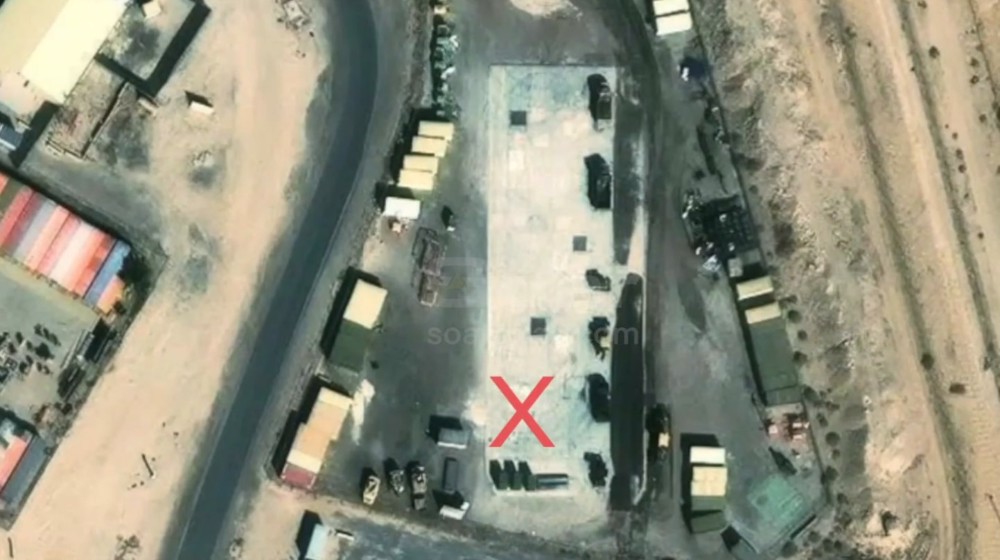
Iran Army hits US base in Kuwait as satellite images show fresh damage
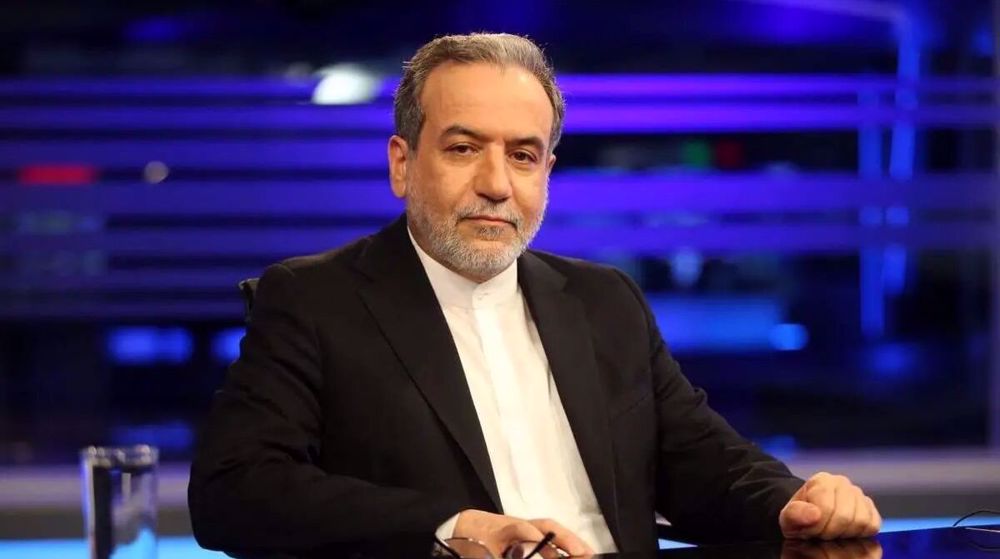
Iran FM warns of Israeli false-flag plots after drone attack in Egypt
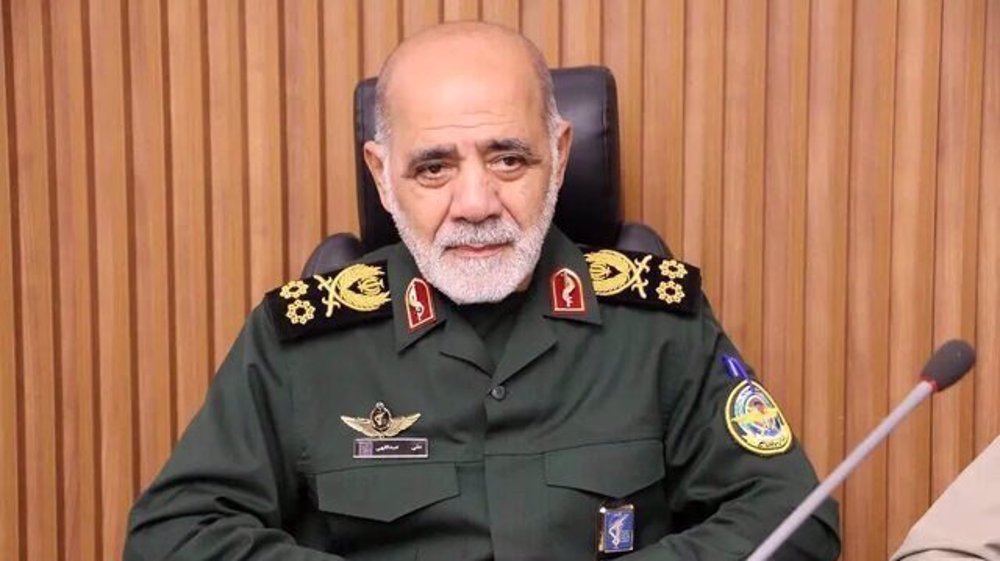
Coffins now part of US equipment in region: Top Iranian commander



Hezbollah urges Lebanese govt. to assume responsibilities and halt Israeli crimes
Massive rally in Sana'a backs 'siege for siege' policy, slams US-Saudi aggression on Iraq
VIDEO | Israeli forces demolish Palestinian water wells in northern Jordan Valley
US begins withdrawing final troops from Erbil as patriot systems pulled from Iraqi base: Report
Rome deployed jet-fighters, radars to Saudi Arabia: Italian MPs
Russian Patriarch thanks Islamic Revolution Leader for ‘valuable message’
VIDEO | Press TV's news headlines
Hezbollah warns Saudi Arabia of falling into US-Israeli quagmire



 PressTV NEWSLETTER
now
PressTV NEWSLETTER
now
 This makes it easy to access the Press TV website
