US confirms Iran destroyed $300m radar system in Jordan
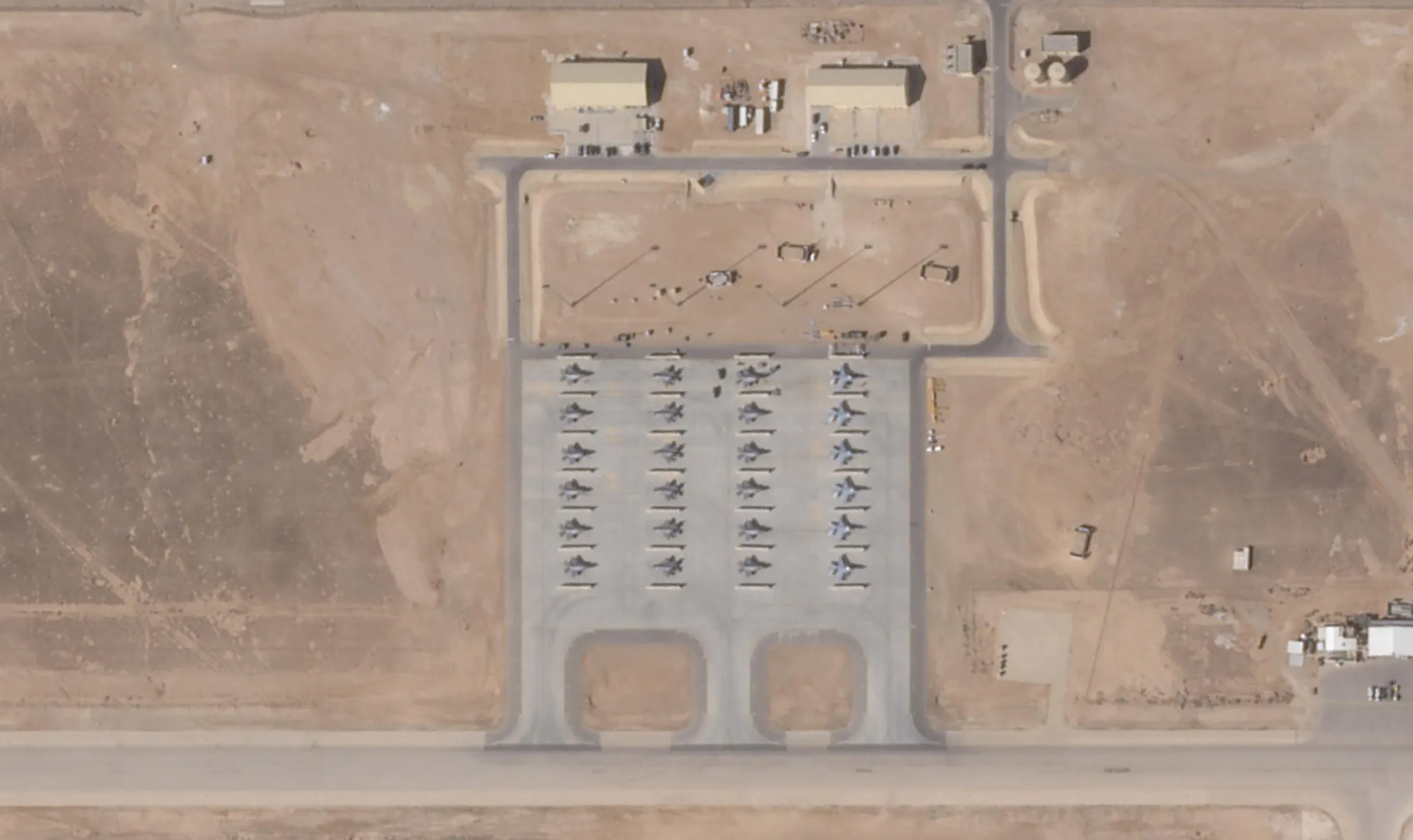
The US confirmed that Iran has destroyed a key $300 million radar system used by US THAAD missile defense systems at Muwaffaq Salti Air Base in Jordan.
Satellite photos show that an RTX Corp. AN/TPY-2 radar and support equipment was destroyed in the opening days of the war, CNN reported earlier, citing commercial satellite imagery.
The destruction of the equipment was later confirmed by a US official.
The destruction of the radar is considered a huge blow to air and missile defense coverage in the region, the report says.
The loss of the radar will require missile interception duties to fall onto Patriot systems, for which PAC-3 missiles are already in short supply, prompting concerns about stockpiles of advanced interceptors running low, experts warn.
The US has eight THAAD systems globally, including in South Korea and Guam.
The batteries cost about $1 billion each, with the radar comprising about $300 million of that, according to the Center for Strategic and International Studies.
“These are scarce strategic resources and its loss is a huge blow,” said Tom Karako, a missile defense expert with the Center for Strategic and International Studies.
The Army’s current “eight-battery force is still below the force structure requirements of nine set back in 2012, so there aren’t exactly any spare TPY-2 lying around,” he said.
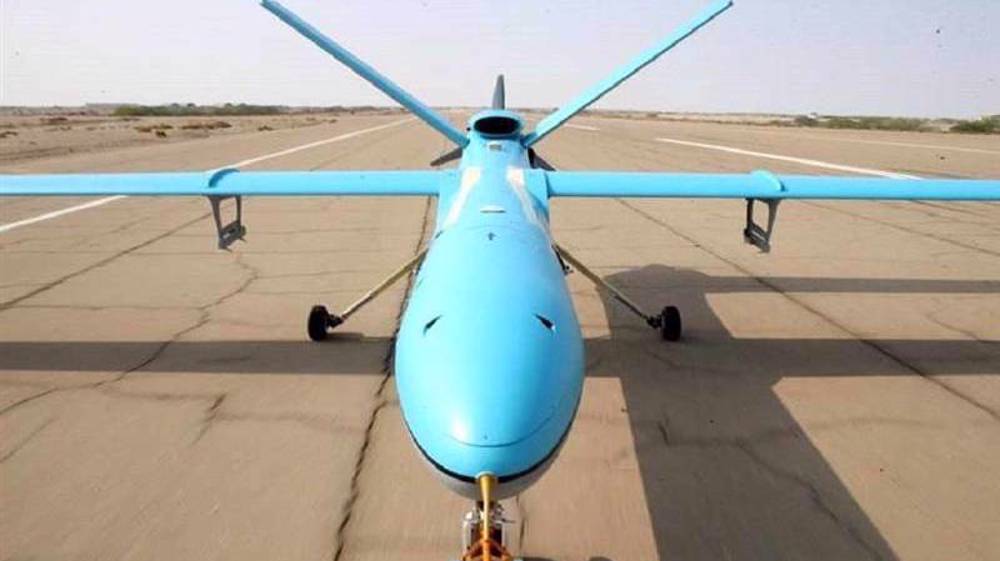
Earlier in the war, an AN/FPS-132 radar in Qatar — a fixed installation unlike the mobile THAAD system — was damaged during an Iranian attack, according to research from the James Martin Center for Nonproliferation Studies in Monterey, California.
That system is an early warning radar, designed to spot threats at extreme distances but without the precision needed to launch weapons at them.
The United States and Israel launched an unprovoked war of aggression against Iran on February 28 by assassinating Leader of the Islamic Revolution Ayatollah Seyed Ali Khamenei and high-ranking military commanders despite indirect Tehran-Washington negotiations on Iran’s peaceful nuclear program.
Within the framework of their legitimate self-defense right, Iranian Armed Forces immediately launched waves of missile and drone strikes against US interests in the region and Israeli assets in the occupied lands.
Air and missile defense systems in the Persian Gulf region have been stressed and overwhelmed by Iranian retaliatory attacks of drones and ballistic missiles.
It has prompted fears that stockpiles of advanced interceptors such as THAAD and PAC-3 will soon run dangerously low
Strait of Hormuz won’t reopen unless US accepts Iran’s conditions: IRGC
Iran to expand successful air defense systems, revise tactics: Commander
Iran inflicted billions in damage to US intelligence sites across region during 40-day war: Report



Iran urges UN, member states to reject US economic terrorism; calls US ‘a rogue state’
Qalibaf says Iran's partnership with China ‘needs no one's permission’
Iran offers condolences to Pakistan after 14 newborns killed in hospital fire
US sanctions Palestine Action, designates group as 'terrorist organization'
Israel withholding remains of nearly 800 Palestinians since 1967: Monitoring group
VIDEO | Press TV's news headlines
Iran will not tolerate any hostile activity in Iraq’s Kurdistan: IRGC commander
Iran blocks IAEA inspections of attacked nuclear sites until new protocol established


 PressTV NEWSLETTER
now
PressTV NEWSLETTER
now
 This makes it easy to access the Press TV website
