PM Sharif says Pakistani troops to only join Gaza 'peace mission', not disarm Hamas
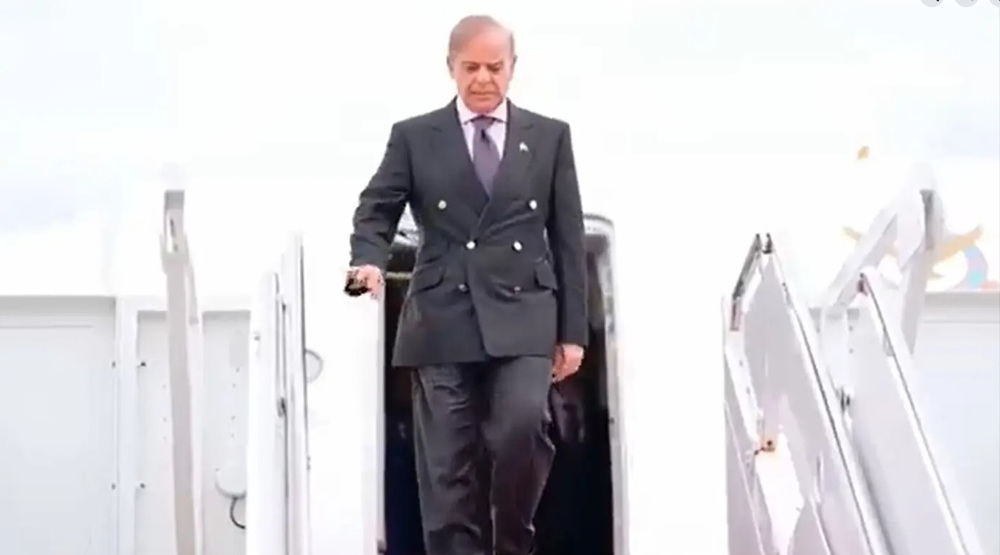
Pakistan is seeking assurances from the US that any deployment of Pakistani troops to Gaza as part of the Washington-proposed “International Stabilization Force (ISF)” would be strictly limited to peacekeeping duties, not disarmament of resistance fighters, according to a report.
Reuters carried the report on Wednesday, citing “three government sources” as attributing the demand to Prime Minister Shehbaz Sharif.
The sources noted that the premier was seeking for Washington to ensure that the country’s troops would not be tasked with disarming either Gaza’s Hamas resistance movement or any other resistance factions based in the Palestinian territory.
The report came as Sharif prepares to attend the inaugural formal meeting of US President Donald Trump's so-called “Board of Peace” in Washington on Thursday. At the meeting, Trump is expected to unveil further details of his plan for Gaza and outline the ISF's mandate.
The “Board of Peace” was formally launched by Trump at a signing ceremony in Davos, Switzerland, on January 22, 2026.
Trump has described it as an initiative aimed at stabilizing and rebuilding Gaza following the ceasefire that took effect as part of his plan in October 2025.
The board is chaired by Trump and includes key members such as US Secretary of State Marco Rubio, Trump's special envoy Steve Witkoff, the US president’s son-in-law Jared Kushner, and former UK prime minister Tony Blair.
The sources told Reuters that before committing troops, Islamabad required clarity on the ISF's objectives, operational authority, and chain of command.
During the Washington visit, Sharif intends to seek a detailed understanding of these aspects before any deployment decision was made, they noted.
"We are ready to send troops. Let me make it clear that our troops could only be part of a peace mission in Gaza," said one source, a close aide to Sharif.
"We will not be part of any other role, such as disarming Hamas. It is out of the question," the aide added.
"We can send initially a couple of thousand troops anytime, but we need to know what role they are going to play," the source further stated.
Two of the sources indicated that Sharif was likely to hold a meeting with Trump to discuss these concerns.
While Pakistan has supported the establishment of the “Board of Peace,” it has expressed reservations about any mandate that would require demilitarizing Palestinian resistance groups, as this would be unacceptable to many in the Pakistan army.
Reports suggest the government faces internal pressure from certain religious army officers, who oppose sending troops if the mission includes disarming the groups.
Observers note that the Pakistani public would support troop deployment only to protect Palestinians and provide humanitarian assistance, not to demilitarize Palestinian groups.
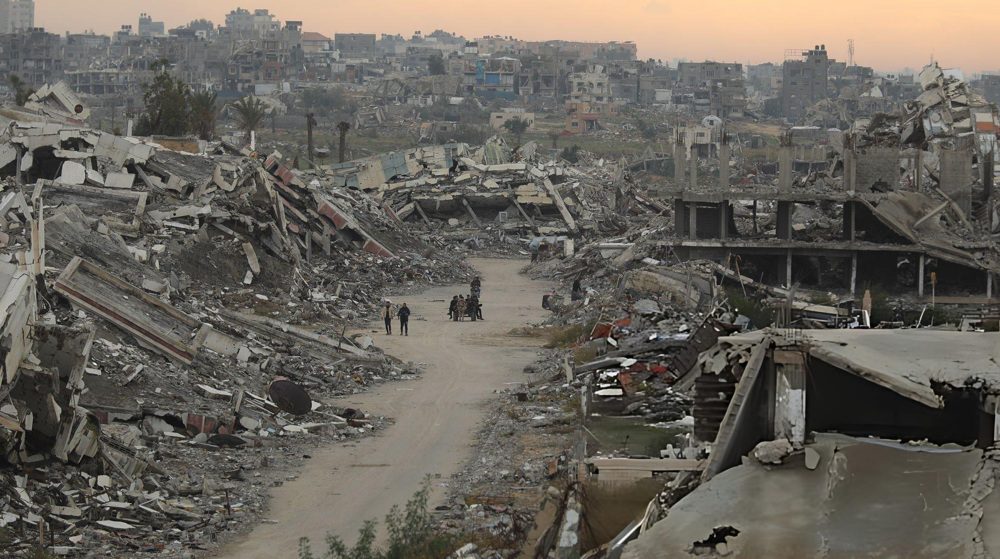
Many goals outlined in Trump’s 20-point plan have not fully materialized on the ground.
Phase one was intended to immediately halt fighting, facilitate the exchange of Israeli captives and Palestinian prisoners, establish boundaries for Israeli withdrawal from parts of Gaza, enable unrestricted humanitarian aid entry, and reopen the Rafah crossing between Gaza and Egypt.
Although the daily intensity of Israeli attacks has decreased since the ceasefire began, the Israeli military has killed more than 600 Palestinians and injured over 1,600 others since conclusion of the ceasefire, averaging nearly five deaths per day, according to Palestinian officials.
Palestinian authorities report that overall, the Israeli genocidal war on Gaza that Trump’s plan is reportedly aimed at bringing an end to, has resulted in over 72,000 deaths and more than 171,000 injuries among Palestinians, with extensive damage affecting around 90 percent of civilian infrastructure. The United Nations has estimated reconstruction costs at approximately $70 billion.
Israeli soldiers who gang-raped Palestinian abductee file lawsuit for $6 million
Israeli military bars activists from aiding Palestinians in besieged West Bank village
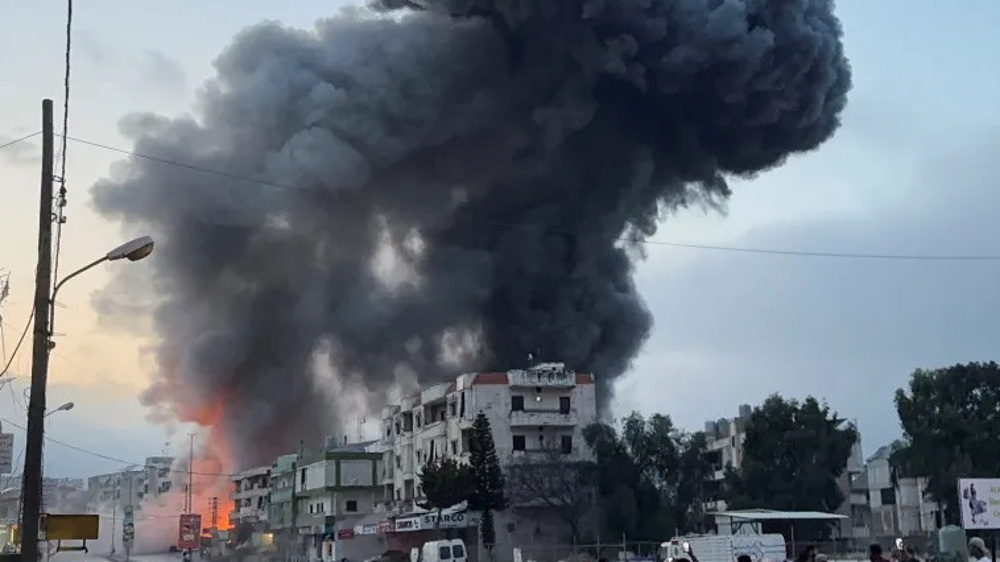
Three killed, 23 wounded in fresh Israeli strikes on Lebanon



US military claims it struck three Iranian oil tankers in Persian Gulf waters
IRGC busts US-Israeli-linked team planning to stage 'terrorist acts' in southeastern Iran
VIDEO | ‘US officials looking for someone to blame over leaks’: Analyst
Hezbollah blames Lebanon govt.’s ‘failure’ as Israel escalates ‘killing and destruction’
VIDEO | Israel on alert fearing an Iranian attack
Israel's Ali al-Taher ‘operational control’ claim aims to shape perceptions than reflect reality
Iran wins ‘war of willpower’ against enemies: Senior commander
What Rojoum drone footage reveals: Yemen’s precision-strike capability is reshaping the battlefield


 PressTV NEWSLETTER
now
PressTV NEWSLETTER
now
 This makes it easy to access the Press TV website
