Harnessing one of world’s largest wind corridors in Iran

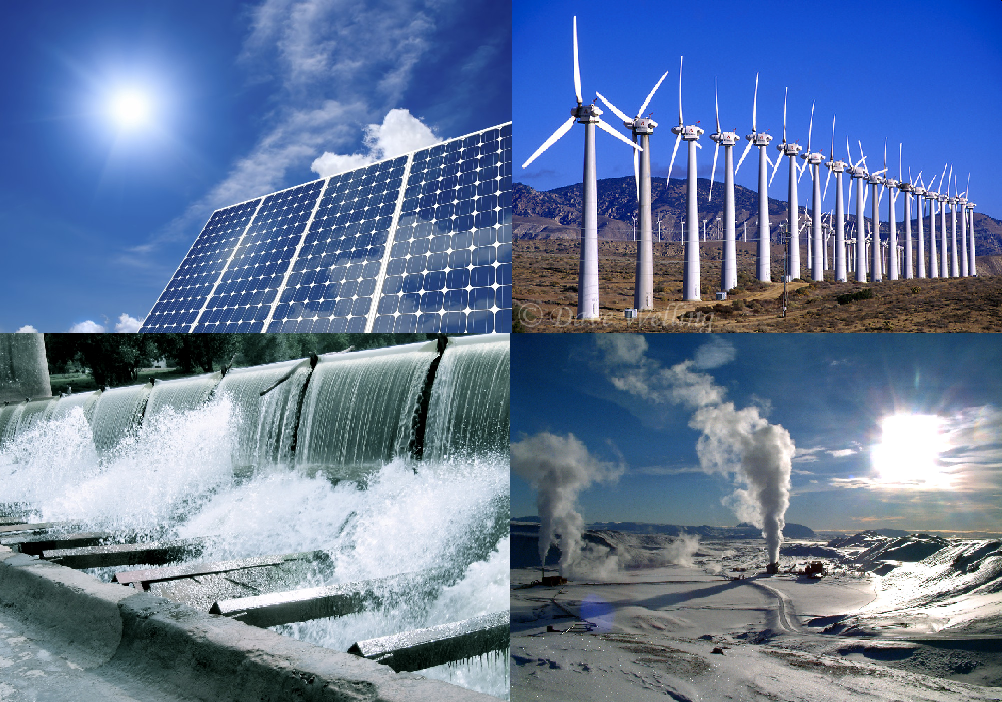
With over 300 days of sun and 120 days of consistent wind, Sistan and Baluchestan holds some of Iran’s richest renewable energy resources.
Historically, Iran has long recognized wind’s potential; Persian innovators built the world’s first windmills in the ninth century, laying an early foundation for wind-based energy.
Yet, it was the 1970s global energy crisis that drew serious interest in wind power, spurring technological development worldwide.
Today, wind energy is growing faster than any other electricity generation technology globally, driven by accessibility, low costs, and environmental advantages.
Globally, countries like Germany, the United States, Denmark, India, and Spain dominate wind energy deployment, hosting over 83 percent of installed turbines.
Iran, through its Renewable Energy Organization (SUNA), has begun to follow suit, systematically evaluating the country’s wind potential.
From 1981 to 1985, data collected at synoptic weather stations across Iran identified Sistan—particularly the Zabol station—as the nation’s prime site for wind farms. Other promising areas include southern coastlines, islands, and smaller regions like Manjil valley.
Sistan and Baluchestan sits in southeastern Iran, covering a vast territory with over 2.5 million residents. Its climate is hot and dry, and wind patterns historically posed challenges to local life. Now, these same winds are being transformed into economic opportunity.
The province has consistently low power production relative to consumption. With a consumption exceeding 2,200 megawatts, only about 55 percent of demand is met locally; the remainder is imported via grid connections from neighboring provinces.
At the same time, electricity flows outward to Pakistan and Afghanistan, highlighting the strategic importance of energy infrastructure in the region.
The Mil Nader corridor near Zabol represents one of the world’s strongest wind corridors. Winds here blow consistently, averaging around 10 meters per second, with favorable turbulence and topography.
Six-month data from the corridor show capacity factors exceeding 64 percent, sometimes peaking near 98 percent. This makes it possible to match peak electricity demand with renewable generation, a rare advantage for intermittent energy sources.
Construction has begun on a 100-megawatt wind farm in Mil Nader by Iranian energy powerhouse Mapna Group. Once operational, the project will strengthen national grid stability during high-demand periods.
More broadly, the province has already secured permits for roughly 4,000 megawatts of renewable projects, combining wind and solar. Current installations include over 700 megawatts of wind turbines and more than 300 megawatts of solar power.
Four small-scale solar plants, ranging from 2 to 10 megawatts, are actively feeding power into the national grid. In addition, more than 5,000 rooftop solar systems have been deployed in rural areas, giving Sistan and Baluchestan the highest number of distributed solar installations in Iran.
The province’s renewable energy trajectory is marked by large-scale corporate investments. Twenty 2.5-megawatt turbines are operational in Mil Nader, while permits for 620 megawatts of wind capacity for a methanol project and 100 megawatts for Mapna remain in progress.
These projects position the province as a national leader in renewable energy deployment.
Sistan and Baluchestan is also critical for broader development initiatives in Iran. National development plans identify six strategic factors for regional and national growth: land area, border access, proximity to open waters, a young population, mineral reserves, and renewable energy potential.
The province meets all six criteria, making it central to Iran’s long-term economic strategy.
Border proximity is economically significant. The province shares over 1,200 kilometers of borders with Pakistan and Afghanistan, offering trade and export opportunities. Annual cross-border trade reaches $2 to $2.5 billion, including both domestic and regional goods.
This strategic location, combined with renewable energy resources, positions Sistan and Baluchestan as a nexus for industrial, agricultural, and energy development.
Sistan and Baluchestan has one of the youngest populations in Iran, offering labor for both energy projects and complementary industrial sectors. The province’s untapped mineral wealth, together with renewable energy infrastructure, is a magnet for energy-intensive industries.
Strategically, the province lies along two key international North-South and Southern Asia transport corridors, positioning it as a critical hub for regional connectivity and playing a pivotal role in Iran’s economic development.
Located in Sistan and Baluchestan, Iran’s only oceanic port of Chabahar provides direct access to the Indian Ocean, positioning the province as a strategic hub for maritime trade, energy shipments and international transport corridors linking Iran with South Asia and global markets.
The development of Iran’s Makran coast, stretching along the Indian Ocean in Sistan and Baluchestan province, is seen by policymakers as a strategic priority to boost trade, energy exports and regional connectivity.
Centered around Chabahar, the project aims to expand maritime infrastructure, logistics networks and industrial capacity, while supporting population growth and employment in the underdeveloped region.
The expansion of renewable energy, particularly power infrastructure, is driving economic growth in the province, supporting sustainable development and advancing Iran’s broader economic and energy goals.
Iran restores half of damaged South Pars production capacity
Iran’s energy rebuild sparks unprecedented industrial shift
War spurs Iran’s push to develop Caspian energy frontier



Araghchi: Iran ‘determined’ to defend national security, prevent US misuse of Hormuz
Debunked: Trump’s egregious UNGA claims on war against Iran crumble under scrutiny
VIDEO | News Review: Netanyahu faces UNGA walkout, protests in New York over Gaza
President Pezeshkian UN speech
Saudi Mufti urges troops to attack Yemen as Macron announces deployment in Yanbu
Turkey agrees to pull out of key base in north Iraq, occupy others
Two Israeli soldiers killed after drone explodes in northern Gaza
Over 100 arrested in protests against Netanyahu’s UN speech


 PressTV NEWSLETTER
now
PressTV NEWSLETTER
now
 This makes it easy to access the Press TV website
