Algerian lawmakers move to criminalize French colonial rule amid strained ties
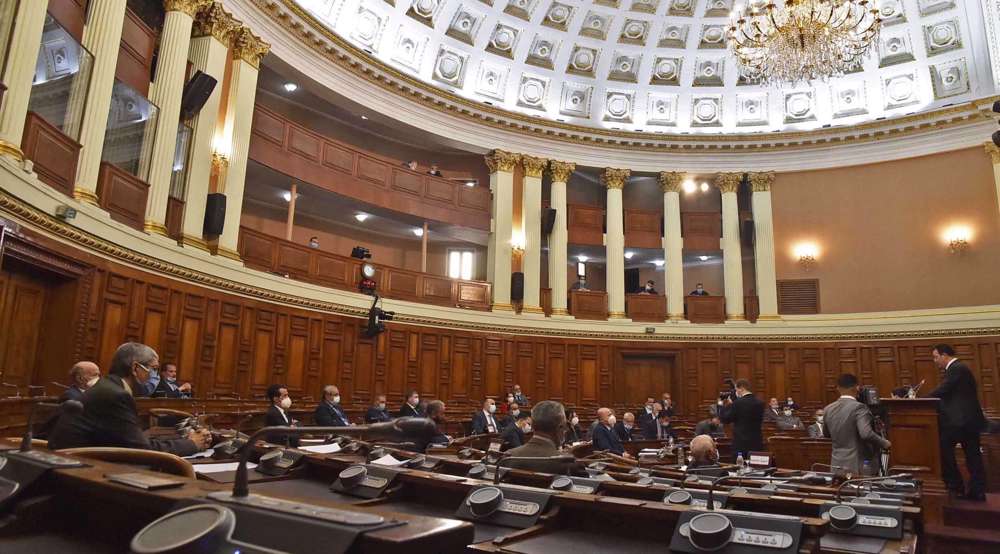
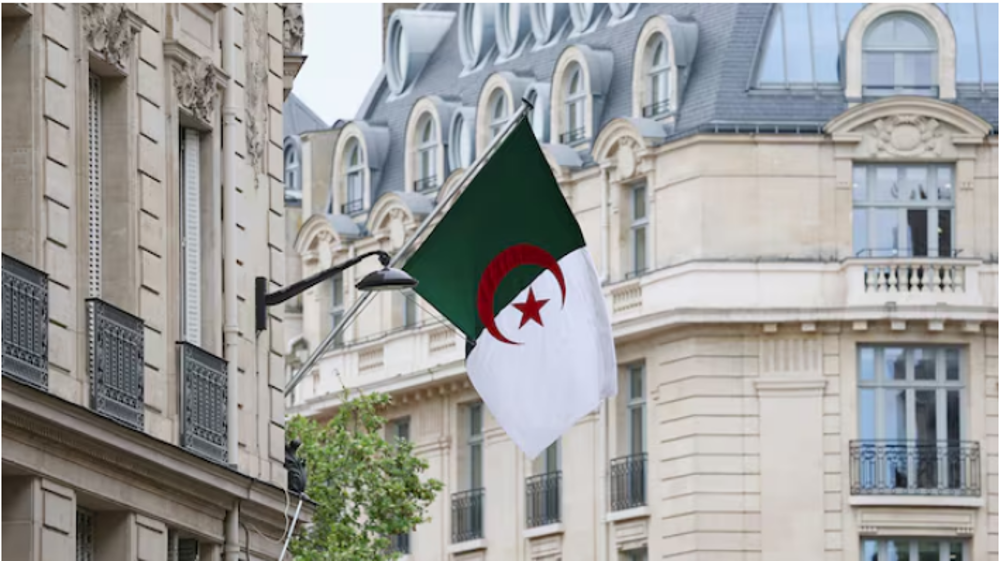
Algerian lawmakers are set to vote on legislation aimed at criminalizing France’s colonial rule in Algeria, a move the parliament speaker has described as a “defining milestone” in the country’s modern history.
The legislators are scheduled to discuss the draft law on Wednesday, amid heightened diplomatic tensions between Algiers and Paris, as reported by the People's National Assembly.
The proposed legislation, which was presented in the People’s National Assembly, Algeria’s lower parliamentary chamber, on Saturday, seeks to officially acknowledge and criminalize the actions taken during France’s colonization of Algeria from 1830 to 1962.
The objective of the bill is to establish accountability for crimes committed during the colonial era and to obtain recognition and an apology from France, positioning these actions as essential for reconciling with history and safeguarding Algeria’s national memory.
According to public broadcaster AL24 News, the draft consists of five chapters and 27 articles, founded on international law principles that uphold the right to legal redress and the pursuit of historical justice.

While introducing the bill, Speaker of Parliament Ibrahim Boughalii said the legislation “is a supreme act of sovereignty, a clear moral stance, and an unambiguous political message, expressing Algeria’s commitment to its inalienable rights and its loyalty to the sacrifices of its people.”
Boughali further said that French colonization went beyond the plundering of resources, extending to policies of “systematic impoverishment, starvation and exclusion” aimed at erasing Algerian identity and severing ties to historical roots.
French colonial rule in Algeria lasted more than 130 years and was marked by widespread abuses, including torture, enforced disappearances, massacres, economic exploitation, and the marginalization of the Indigenous Muslim population.
Algeria gained independence in 1962 following a brutal war that left up to 1.5 million people dead, with thousands more disappeared and millions displaced.
French forces have long been accused of war crimes during the conflict, including systematic torture, summary executions, and the destruction of thousands of villages.
In 2018, France acknowledged its responsibility for systematic torture during the war of independence.
However, President Emmanuel Macron has previously ruled out issuing a formal apology for colonization.
In a 2023 interview with Le Point, Macron said he would not ask for forgiveness but would instead pursue reconciliation through dialogue and historical work with Algerian President Abdelmadjid Tebboune.
“Work on memory and history isn’t a settling of all accounts,” he said at the time.
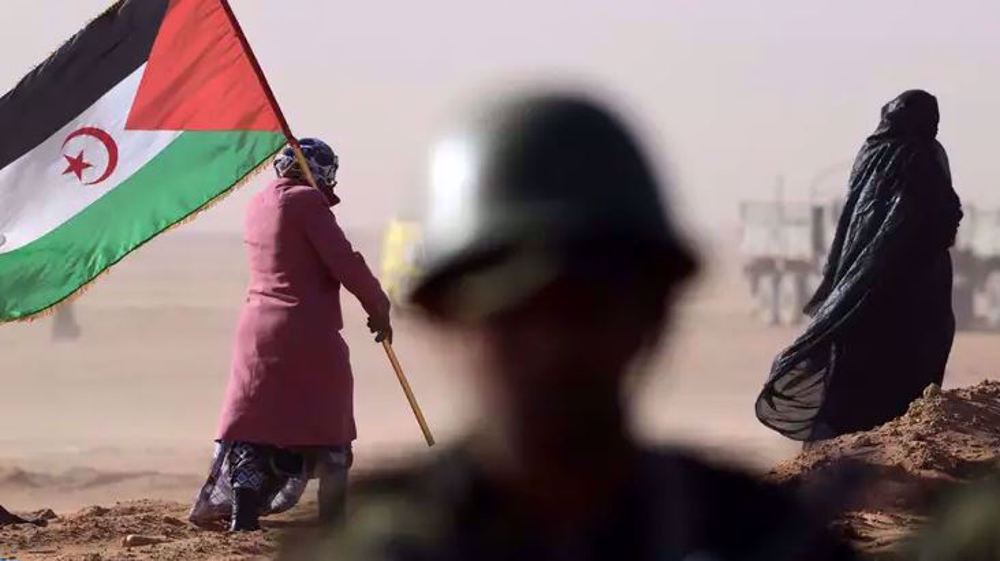
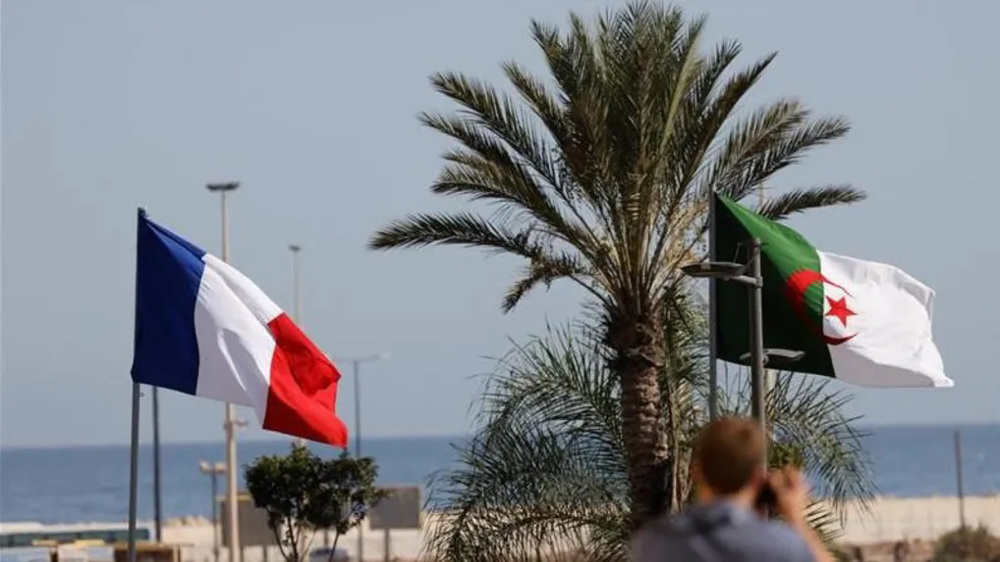
Tensions between Paris and Algiers have escalated since July 2024, when France recognized Morocco’s sovereignty over the disputed Western Sahara territory, a decision vehemently opposed by Algeria.
Relations deteriorated further in April 2025 after French authorities indicted an Algerian consular official over the alleged abduction of a dissident, prompting Algeria to expel 12 French embassy employees in retaliation.
The outcome of Wednesday’s vote could add a new and sensitive dimension to an already complex relationship between the former colonial power and its one-time colony.
The French government has not yet officially responded to Algeria’s parliamentary debate.
Libya’s Gaddafi fatally shot Imam Musa Sadr in chest: Report
Libya’s NOC warns of force majeure at country’s largest refinery after drone strikes
Polisario terror bid emerges amid Ceuta crisis, deepening US-Israel-Morocco ties



VIDEO | Intl. Nuclear Medicine Congress wraps up in Tabriz
Man convicted of spying for Israel, providing information on missile sites executed in Iran
ICRC: Palestinians in Gaza experience ‘death, destruction’ on daily basis
Trump announces ‘security’ agreement on Greenland after threatening to annex it
CPJ slams Israel’s abduction of Press TV journalist, demands her immediate release
‘Stop your crocodile tears’: Araghchi hits back at French FM over human rights allegations
Trump bars CNN, MS NOW and Politico from White House as they question his pro-war policies
Discover Iran: Tabriz, where Iran’s Silk Road legacy meets industry, trade and a new economic future


 PressTV NEWSLETTER
now
PressTV NEWSLETTER
now
 This makes it easy to access the Press TV website
