At least 1.6 million in Gaza face ‘acute food insecurity,’ IPC warns
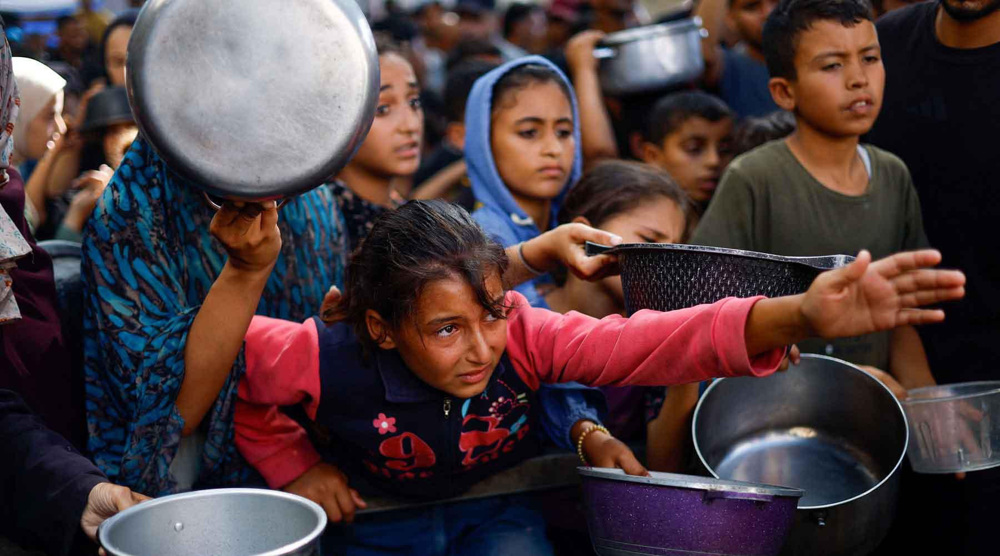
At least 1.6 million Palestinians in Gaza, around 77 percent of the population, are still facing high levels of acute food insecurity, according to the latest Integrated Food Security Phase Classification (IPC) report.
The assessment warns that over 100,000 children and 37,000 pregnant and breastfeeding women are projected to suffer acute malnutrition through April next year.
Four governorates (North Gaza, Gaza Governorate, Deir al-Balah, and Khan Younis) are currently classified in Emergency (IPC Phase 4) through April 2026, it added.
While Gaza City was downgraded from a Famine classification, IPC Phase 4 still reflects catastrophic conditions marked by large food consumption gaps, high levels of acute malnutrition, and an elevated risk of mortality, the report noted.
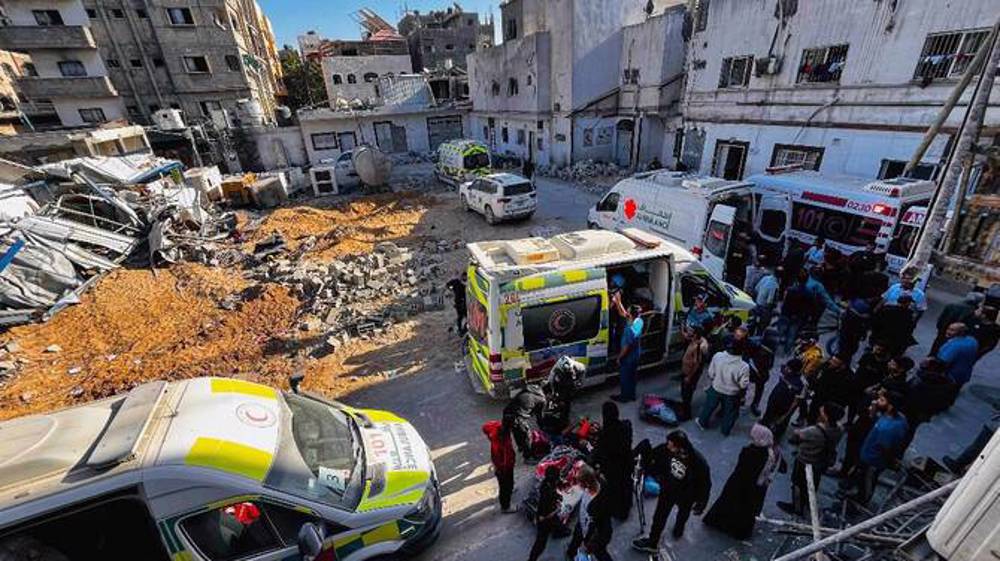
UN aid agencies, including the Food and Agriculture Organization of the United Nations (FAO), UNICEF, the World Food Programme (WFP), and the World Health Organization (WHO), said on Friday that the progress remains extremely fragile as the population continues to struggle with massive infrastructure destruction and collapsed livelihoods and local food production, given restrictions on humanitarian operations.
“Without sustained, large-scale expansion of food, livelihood, agriculture and health assistance, together with increased commercial inflows, hundreds of thousands of people could rapidly slip back into famine,” the aid agencies warned.
Most families, they noted, continue to endure severe shortages and uncertainty.
“Humanitarian needs remain staggering, with current assistance addressing only the most basic survival requirements. Children under five, along with pregnant and breastfeeding women, remain among the most vulnerable, facing worryingly high levels of malnutrition despite recent improvements.”
Under the ceasefire agreement with the Palestinian resistance movement Hamas, which took effect on October 10, Israel was required to open border crossings and allow unrestricted entry of food, fuel, and humanitarian aid.
However, Israel has largely ignored these obligations. Most crossings remain closed, and only a trickle of supplies is permitted into a territory devastated by nearly two years of relentless war and genocide.
The Gaza Health Ministry says that since Israel’s genocidal assault began on October 7, 2023, at least 440 people, including more than 150 children, have died from hunger.
Palestinian officials and humanitarian organizations say these deaths were entirely preventable and are the direct result of Israel’s blockade and systematic obstruction of aid.

Israeli warplanes bomb Syrian airbase hours after Turkish military visit

Israel’s latest al-Aqsa incursion deepens violations of historic status quo
Lebanese president calls for extending mandate of UN peacekeeping force



VIDEO | Hamas rep.: Resistance, arms will remain as long as occupation exists
Yemeni forces conduct drone strike on Saudi Aramco oil refinery in Jizan: Report
Blood of martyrs of US-Israeli aggression will not ‘go unavenged’: Qalibaf
Environmental impact of US war on Iran
Iran downed over 200 enemy aircraft during US-Israeli aggression: IRGC deputy chief
Saudi-Turkey-Pakistan military alliance won’t bring security, US ouster from the region will
Israeli warplanes bomb Syrian airbase hours after Turkish military visit
China’s Xi will not address UN General Assembly during US visit: Report







 PressTV NEWSLETTER
now
PressTV NEWSLETTER
now
 This makes it easy to access the Press TV website
