Trump vs. Taliban: US president demands Bagram base back, Kabul firmly says no
By Ivan Kesic
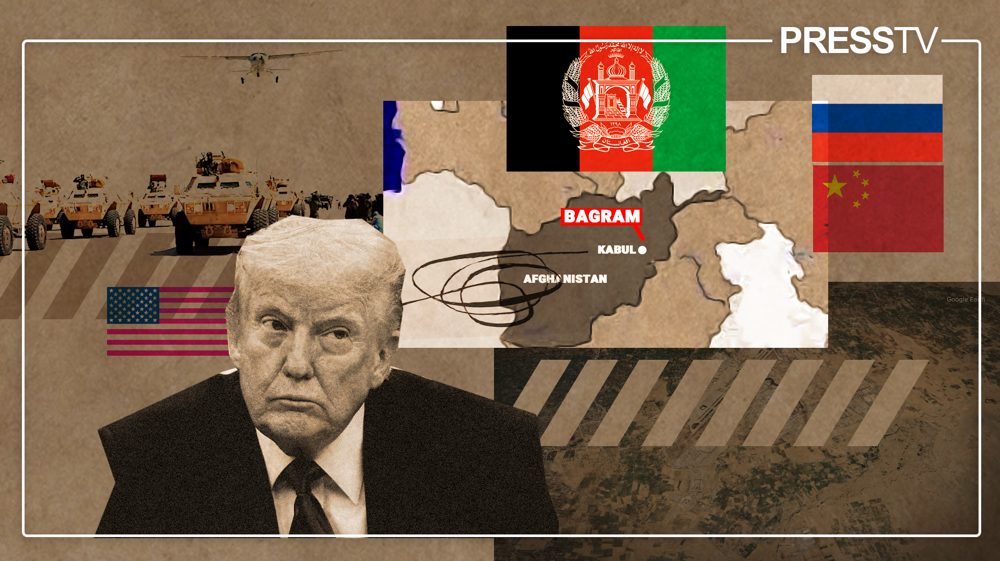
In a characteristically vague warning that ‘bad things are going to happen,’ US President Donald Trump on Sunday demanded that the Taliban hand back control of the sprawling Bagram Air Base near Kabul.
At a London press conference with British Prime Minister Keir Starmer, Trump announced that his administration was negotiating the return of the base, framing it as ‘a little breaking news’ and implying that Afghanistan’s dependence on US aid offered the necessary leverage.
Trump’s demand, rooted in his long-standing fixation on reversing the 2021 withdrawal he routinely calls a ‘total disaster’, marks a sharp escalation in post-withdrawal relations with the Taliban and hints at a potential bid to reestablish a US military foothold in a country it left after two decades of futile war.
The announcement was met with a swift and public rebuke from Kabul, as Taliban government officials cited the very Doha Agreement brokered under Trump to assert their sovereignty, setting the stage for a high-stakes diplomatic clash that experts warn could spiral into renewed conflict.
Trump’s refusal to rule out redeploying troops, stating in the Oval Office, ‘We’ll see what happens with Bagram’, further heightened tensions, exposing the volatile blend of personal grievance, strategic ambition, and domestic political theater driving this renewed foreign policy push.
Framed by the administration as a necessary response to Chinese expansion in the region, the push for Bagram raises stark questions about the lessons of America’s costly two-decade war and the viability of imposing military solutions on a nation that has repeatedly resisted foreign occupation.
Critical reactions to the ultimatum
The Taliban government’s response to Trump’s demand for Bagram’s return was swift, unified, and unequivocal, dismissing the idea as both impossible and a violation of international agreements.
Spokesman Zabihullah Mujahid, in a statement posted on social media, urged Washington to pursue ‘realism and rationality,’ explicitly invoking the 2020 Doha Agreement, under which the US pledged not to threaten Afghanistan’s territorial integrity.
Defense Minister Fasihuddin Fitrat struck an even harder line, declaring that no deal over ‘even an inch of Afghanistan’s soil is possible’ and vowing to fight for ‘another 20 years’ if necessary, a stark reminder of the resilience that ultimately forced a so-called superpower’s humiliating exit after 20 long years.
The Taliban’s firm stance underscores the dramatic shift in power dynamics since 2021. No longer an insurgent movement, they now govern the country, and their rejection of Trump’s demand highlights the immense political and military cost any attempt to retake Bagram by force would carry.
In Washington and across allied capitals, the announcement was met with skepticism and unease.
US officials, speaking anonymously, cautioned that reoccupying Bagram would not be a matter of simply turning a key, but would require a massive military commitment, potentially over 10,000 troops and advanced air defenses to repel insurgent attacks, amounting to a re-invasion.
International reaction reinforced the diplomatic isolation the US could face. China, frequently cited by American hawks as justification for Bagram’s strategic value, denied any designs on the base and reaffirmed respect for Afghan sovereignty, while likely reading Washington’s push as an overt containment strategy.
Russia, with its own stakes in the region, praised the Taliban’s principled stance. Even close and traditional US allies withheld support. Starmer, standing beside Trump during the announcement, pointedly declined to comment on the matter.
Public reaction was equally polarized. Supporters hailed Trump’s demand as “strong leadership” vital for national security, while critics condemned it as a reckless “temper tantrum” threatening to entangle the US in another neo-colonial misadventure.
The debate reflects a country still grappling with the trauma of the 2021 withdrawal. Yet regional experts and former military leaders converge on one point: any attempt to re-seize Bagram would alienate allies, validate the Taliban’s resistance narrative, and risk plunging the US back into a costly, open-ended conflict with no clear exit.
Colossus of Bagram: a city within a country
Unlike what Trump claimed in his X post, the airbase near Kabul was originally built by the Soviet Union in the 1950s and expanded during their occupation of the South Asian country in the 1980s.
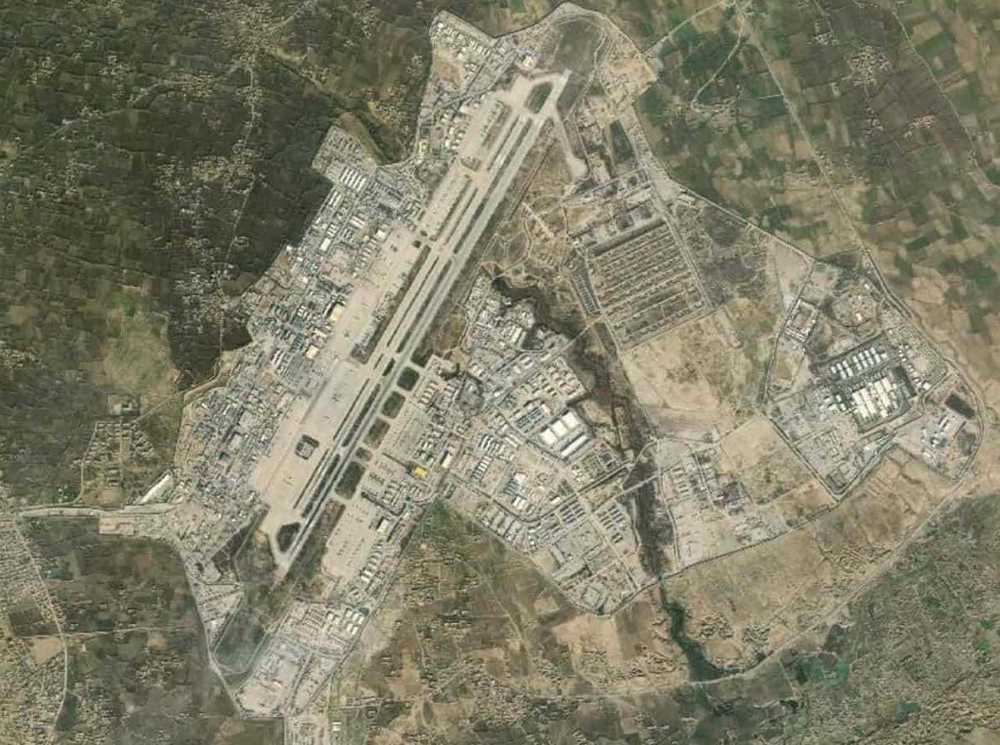
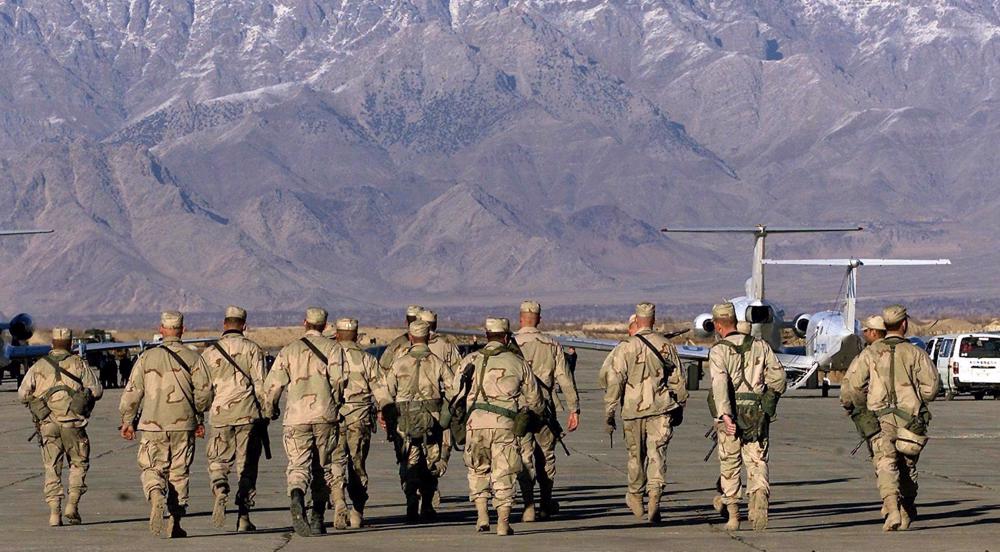
Bagram is located roughly 40 miles north of Kabul in Parwan Province. The sprawling complex spans nearly 28 square kilometers and features dual 3,600-meter runways capable of accommodating the largest U.S. aircraft, including the C-17 Globemaster and the B-52 bomber.
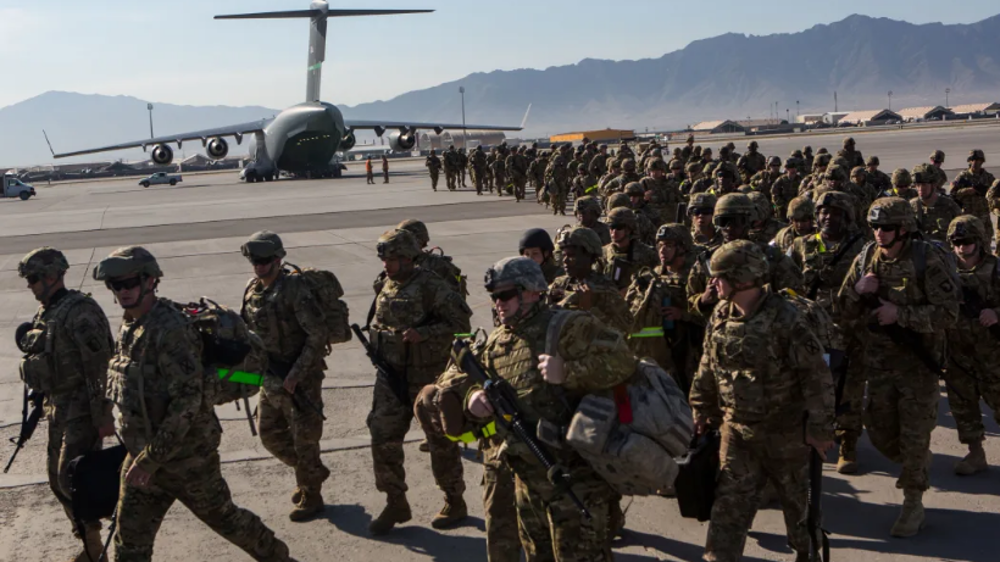
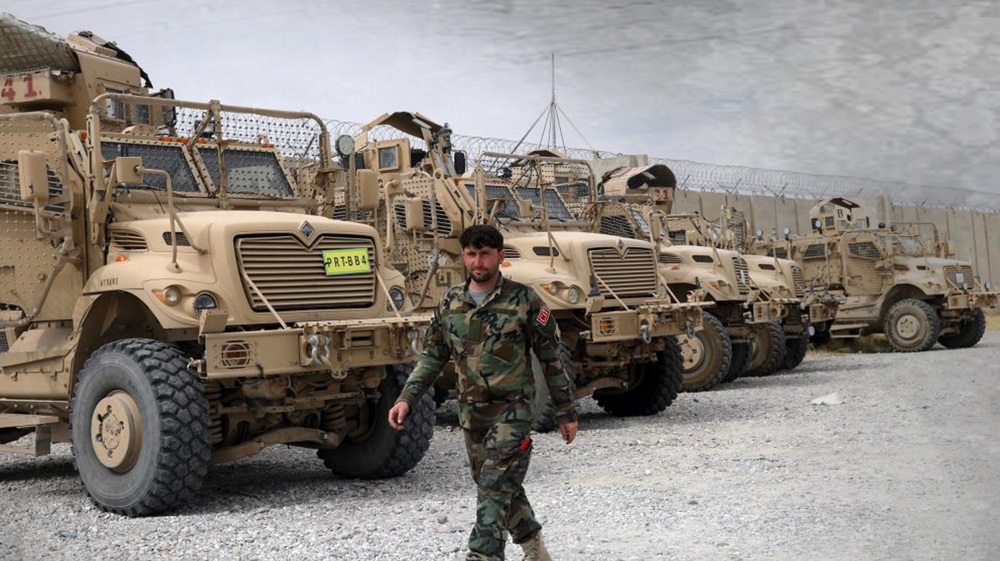
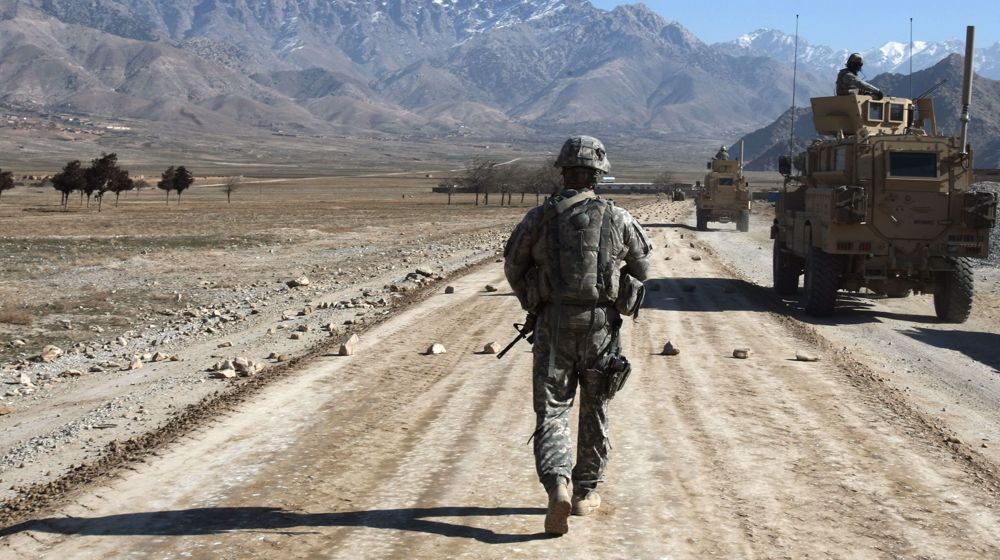
At the height of the US occupation of Afghanistan, Bagram functioned less as a military base than as a miniature American city. Tens of thousands of US and allied NATO troops, military contractors, and support staff lived within fortified walls that housed dining facilities, gyms, a sophisticated hospital, retail shops, and a boardwalk – nicknamed “Boardwalk Bagram” – with fast-food chains like Pizza Hut, creating a surreal contrast to the war-torn country beyond.
Afghanistan rules out handing over Bagram to US after Trump's threathttps://t.co/9pEKLbaRer
— Press TV 🔻 (@PressTV) September 21, 2025
The base served as the central logistical hub for the entire war effort, funneling personnel, equipment, and operations across Afghanistan. It was the primary launchpad for aerial aggressions, close air support missions, and drone attacks, projecting power not only across Afghanistan but also into neighboring Pakistan.
Bagram also housed the Parwan Detention Facility, formerly the Bagram Theater Internment Facility, which became a stark symbol of the imposed war’s moral complexities. Thousands of detainees were held there, and gross human rights abuses were perpetuated by the US occupation forces.
Geographically, Bagram occupies the fertile Shomali Plain with access to key routes like the Salang Pass, making it a linchpin for coalition logistics and a platform to project military power nationwide.
The botched US withdrawal in July 2021, executed overnight without formally notifying the Afghan government, foreshadowed the rapid collapse of the Ashraf Ghani administration weeks later.
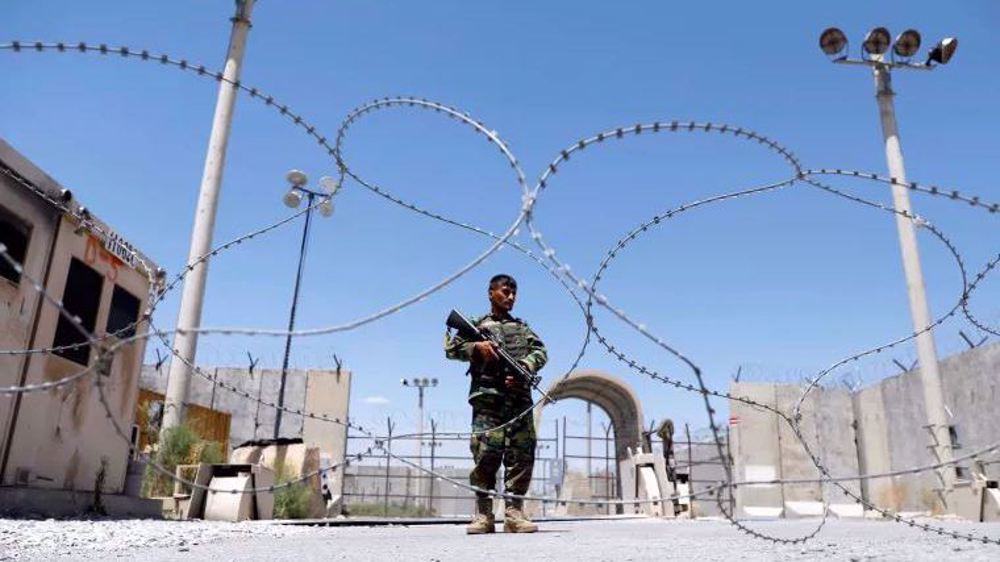
Since the Taliban takeover, the base’s operational capacity has waned, its runways are largely silent, and the once-bustling city-like infrastructure lies dormant.
Yet the base remains a potent symbol of victory for the Taliban and a latent strategic asset, tempting Washington strategists who envision restoring its former role as a hub for regional influence.
Strategic prize and espionage hub
Bagram Air Base’s strategic and intelligence significance extended far beyond Afghanistan, serving as a geopolitical linchpin for power projection and espionage across Central and South Asia.
Trump’s stated rationale for reclaiming the base emphasizes countering China, citing its proximity, roughly 800 kilometers, to Xinjiang.
While the claim is exaggerated, it highlights the strategic logic: from Bagram, surveillance aircraft like the RQ-4 Global Hawk and MQ-9 Reaper drones could theoretically monitor developments in western China, including nuclear and military sites, offering intelligence capabilities far superior to those available from more distant Pacific bases.
For two decades, Bagram functioned as a critical signals intelligence (SIGINT) hub, intercepting communications not only from the Taliban but also from actors in regional countries, including Pakistan, creating a vast intelligence repository largely lost after the US withdrawal.
The base also hosted Joint Special Operations Command (JSOC) units, including Delta Force and SEAL Team 6, for high-risk counterterrorism raids, and contained a CIA “black site” for detaining high-value targets, a legacy that complicates any moral or legal argument for its return.
Taliban firmly rejected a call from the US President to reclaim Afghanistan's Bagram Air Base four years after America’s chaotic withdrawal from the country.
— Press TV 🔻 (@PressTV) September 21, 2025
Follow: https://t.co/B3zXG74hnU pic.twitter.com/LZZs6KCIgK
Speculation about US intentions predates Trump’s September 2025 announcement. In April, a C-17 transport from Al-Udeid Air Base in Qatar reportedly landed at Bagram, carrying top intelligence officials, including CIA Deputy Chief Michael Ellis, on a clandestine mission to assess the base’s condition or reactivate intelligence assets. The Taliban denied the reports as “propaganda,” but the episode underscored Bagram’s persistent allure for US intelligence operations.
Regaining the base, experts believe, would provide a tangible advantage in the regional “Great Game,” facilitating monitoring of China and countering Russian influence. Yet these benefits are offset by immense risks as reoccupation would make Bagram an immediate high-value target for anti-American militants, requiring a massive, sustained security commitment in hostile territory.
The very features that make Bagram a hub for espionage and power projection also render it a vulnerable and costly outpost, a stark reminder that the advantages of presence come intertwined with danger.
Any US return would risk transforming the base into a symbol not of renewed strength but of the enduring dilemma of controlling a land that has repeatedly resisted foreign intervention, raising the specter of being drawn back into the “endless war” it once claimed to have ended.
Israel shifts from AIPAC-style lobbying to foreign agents to expand US influence: Report
Blinken: Trump trapped in a corner he built; no off-ramp from war on Iran
Trump reverses course, ties Saudi nuclear agreement to recognition of Israel



Yemen: Saudi Arabia’s halt to blockade, aggression only way to end fighting
VIDEO | 16th BRICS health ministers’ meeting concludes in India
VIDEO | It was clear that the goals could not be achieved: Writer and podcaster
VIDEO | Venezuelans reject Zionism and foreign interference
Israeli airstrike kills police chief in northern Gaza: Officials
Arab Parliament denounces increasing settler assaults in occupied West Bank
Israeli forces demolish homes in south Lebanon as US-sponsored talks continue
Yemen hits Saudi Aramco oil facilities in retaliation for Hudaydah airstrikes


 PressTV NEWSLETTER
now
PressTV NEWSLETTER
now
 This makes it easy to access the Press TV website
