US national debt surpasses record $37 trillion five years sooner than expected
The United States national debt has passed a record $37 trillion five years sooner than it was expected as a result of the accelerating pace of borrowing during different administrations.
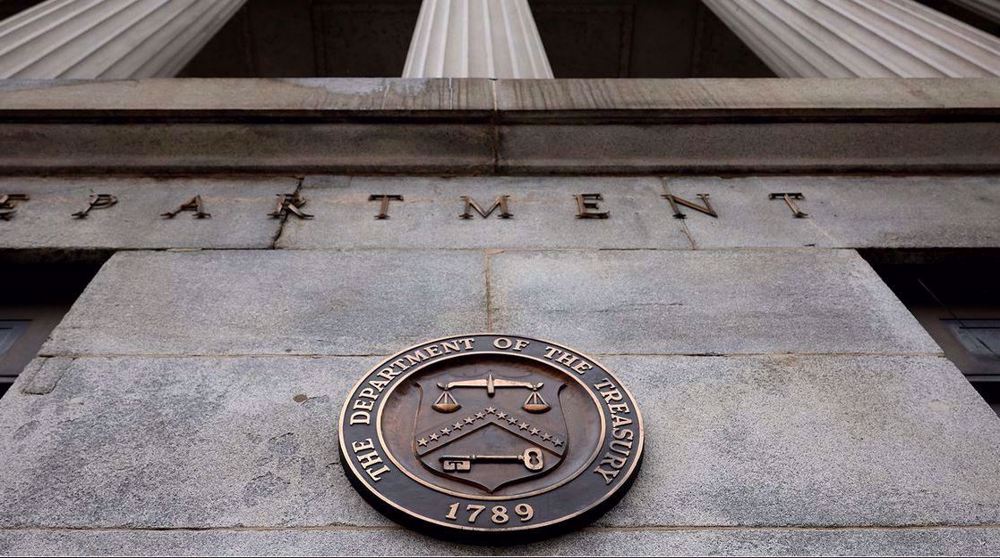
The US national debt soared past the record $37 trillion, the Treasury Department announced in its latest report issued on Tuesday which logs the nation’s daily finances.
In 2020, projections from the Congressional Budget Office (CBO) forecast that gross federal debt would not exceed $37 trillion until after the fiscal year of 2030.
However, the $37 trillion mark arrived five years earlier as deficits were attributed to the multi-year COVID-19 pandemic starting in 2020 that shut down much of the US economy, prompting the federal government to borrow heavily under then-President Donald Trump and former President Joe Biden to stabilize the national economy and support a recovery.
Economists say the government’s debt, which is largely set by legislative decisions on taxes and spending, poses a looming threat to the economy.
This comes as Trump’s “Big Beautiful Bill” signed into law this year looks set to ramp up the debt even further as it extends and enhances many tax cuts that he had initially codified back in 2017.

The bill “means that we’re going to borrow a lot over the course of 2026, we’re going to borrow a lot over the course of 2027, and it’s just going to keep going,” says Wendy Edelberg, a senior fellow in economic studies at the Brookings Institution.
The Joint Economic Committee expects another $1 trillion could be added in just 173 days at the current average daily pace of government spending.
Besides, the Government Accountability Office has outlined how sustained federal borrowing can filter through to households and businesses, leading to increased cost of living with Americans being forced to face higher prices in order to purchase food, houses and new cars.

War on Iran hits back: JPMorgan can’t predict oil prices after US crossed ‘red lines’

Skyrocketing US inflation

World losing faith in US financial system says Araghchi amid US debt meltdown



Trump administration prepares wide-ranging sanctions on ICC: Reports
Discover Iran: Tabriz’s extraordinary architectural legacy through royal palaces, merchant mansions
Top Yemeni military brass to Saudis: ‘We will destroy your economy’
IRGC: Iran will change war’s geography, weapons if attacked again
Italy’s Meloni plans to ban schoolgirls from wearing Burqa, Niqab
IRGC air defenses destroy another US MQ-1 drone over Strait of Hormuz
Israel’s unprecedented atrocities have dealt most devastating blows to UN’s credibility: Tehran
VIDEO | Press TV's news headlines








 PressTV NEWSLETTER
now
PressTV NEWSLETTER
now
 This makes it easy to access the Press TV website
