Gaza’s fearless voice that exposed Israel's genocide for 672 days brutally silenced
By Ivan Kesic
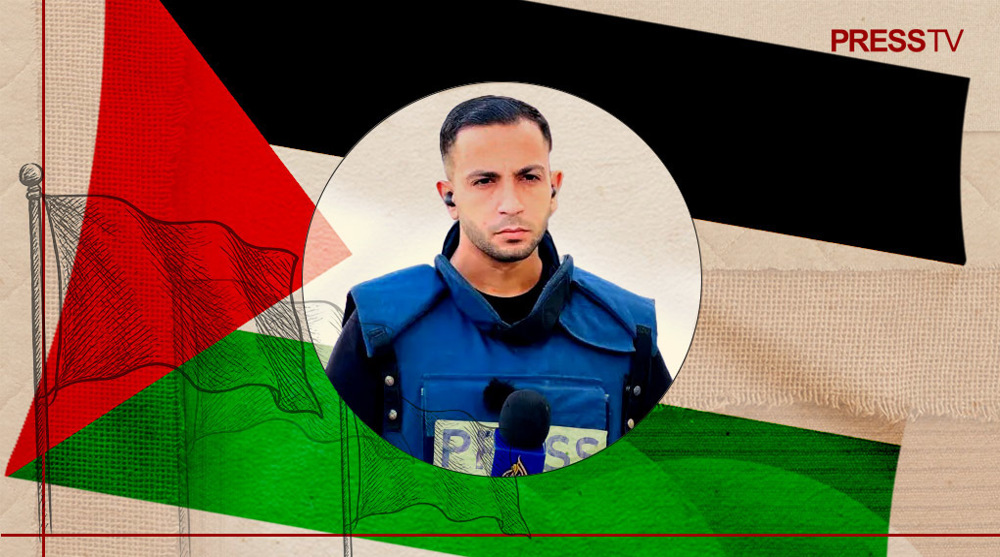
Prominent Palestinian journalist Anas Al-Sharif and four fellow reporters became the latest victims of a brutal Israeli aggression against voices that expose its ongoing genocide.
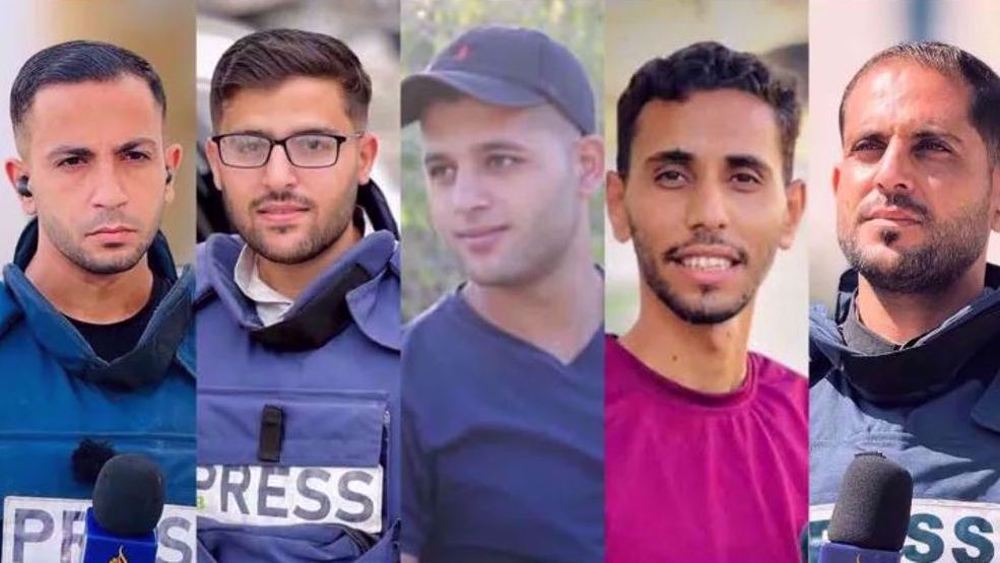
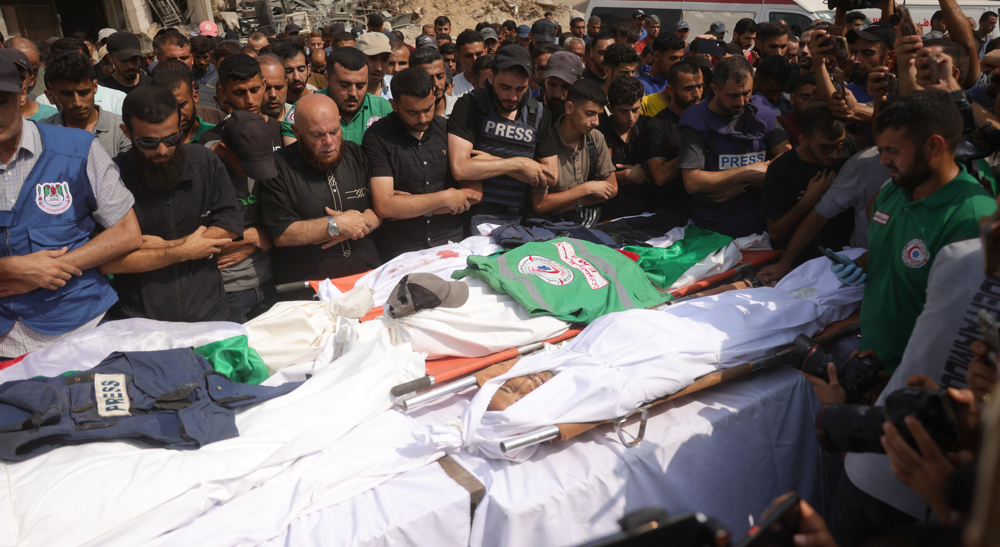
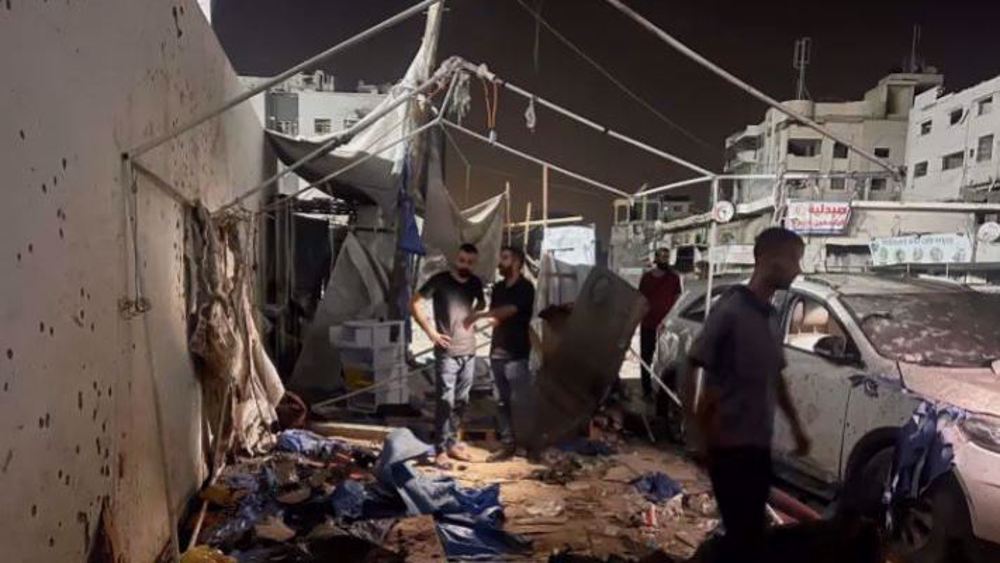
In the early hours of Monday, Israeli occupation forces carried out a targeted attack on a media tent outside Al-Shifa Hospital in Gaza City, killing five Al Jazeera journalists.
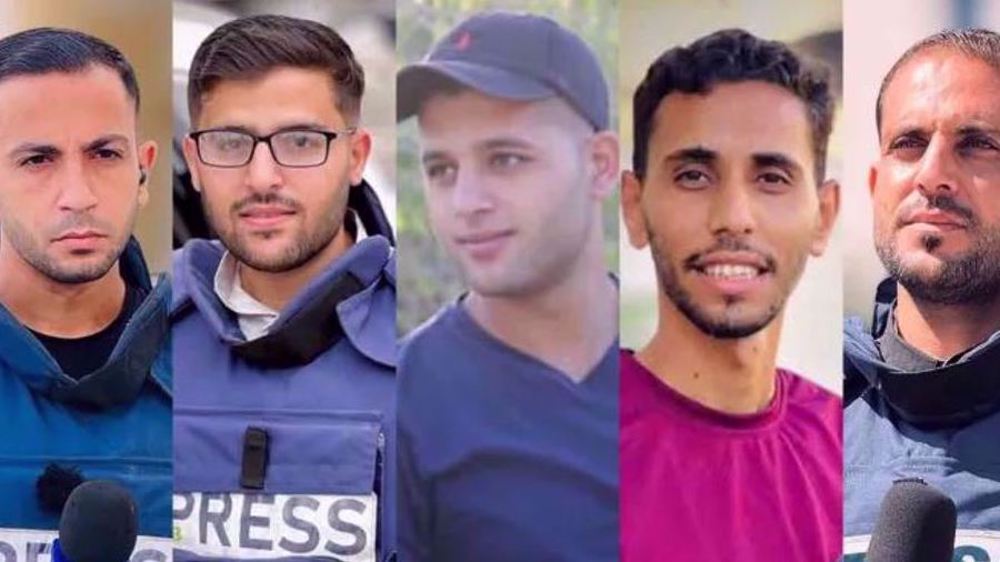
Among the dead were correspondents Anas Al-Sharif and Mohammed Qreiqeh, along with photographers Ibrahim Zaher and Mohammed Noufal. Two other individuals also lost their lives in the attack, which comes amid the ongoing genocide of Palestinians.
Just hours before his cold-blooded killing, Sharif posted on X about Israel’s intense “fire belt” bombardment pounding eastern and southern Gaza City.
The 28-year-old journalist was known for his tireless and fearless reporting from northern Gaza throughout the war that began on October 7, 2023, and has claimed over 61,000 lives so far.
His final video broadcast captured the chaos and terror of the assault: loud explosions echoing through the night, the sky suddenly ablaze with the searing orange flashes of incoming missiles.
Brutal massacre of journalists
The circumstances clearly indicate that it was an intentional war crime. The strike occurred at night, with the Israeli occupation forces admitting to killing Anas and his fellow reporters.
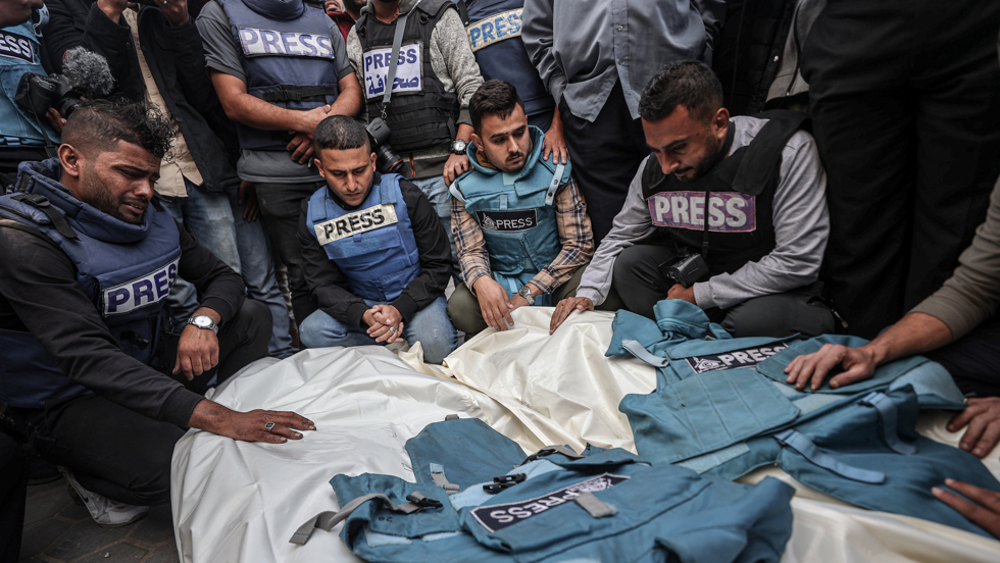
The tent was marked as a press area, and journalists were identifiable by their equipment and vests.
The attack killed seven people in total, with the fifth journalist's identity withheld pending family notification. The rescue efforts were hampered by ongoing attacks, according to local media.
Israeli occupation forces have killed nearly 300 journalists and media workers since the beginning of the genocidal war on Gaza nearly two years ago, including many of Anas' former colleagues.
The Palestinian Journalists Syndicate (PJS) slammed the Israeli regime for deliberately targeting journalists to suppress documentation of horrendous war crimes.
According to the PJS, at least 30 women journalists are among the casualties, including one killed in the occupied West Bank. The group also stated that Israeli occupation forces have attacked journalists' families, resulting in the deaths of around 700 relatives.
Israeli smear campaign
In the immediate aftermath of the strike, the Israeli military relaunched the smear campaign against Sharif, accusing the slain reporter of leading a Hamas cell allegedly responsible for “advancing rocket attacks against Israeli civilians and troops.”
Military officials claimed to possess “unequivocal proof” of his militant activities, yet no such evidence has ever been made public.
Activists say the bogus claims fit a broader pattern of incitement against journalists. Just a week earlier, an Israeli military spokesperson had publicly suggested that Al Jazeera staff had ties to Hamas.
Independent observers, including Muhammed Shehada of the Euro-Med Human Rights Monitor, reported finding “zero evidence” supporting the allegations that have been circulating for months.
Press freedom groups note that such claims mirror a documented Israeli tactic of branding journalists as combatants, a practice repeatedly condemned by human rights organizations.
Al Jazeera has forcefully rejected the charges against its journalists as fabricated, pointing to Israel’s track record of targeting journalists in Gaza, including many during the ongoing genocidal war.
The Israeli regime admits assassinating the entire Al Jazeera news crew in a direct targeted attack in Gaza City. The regime called the massacre of journalists as a punishment!
— Palestine Highlights (@PalHighlight) August 11, 2025
Follow: https://t.co/U3DDExueps pic.twitter.com/tGoA7Ye91v
The United Nations and the Committee to Protect Journalists (CPJ) have similarly dismissed past Israeli accusations against journalists in the besieged Palestinian territory, citing the absence of verifiable evidence and emphasizing that such claims are used to justify aggression.
Throughout his journalistic career, Sharif consistently denied any political affiliations. The combination of posthumous accusations, lack of disclosed proof, and Israel’s established history of weaponizing such claims has led watchdogs to label this case as particularly egregious.
Journalistic career
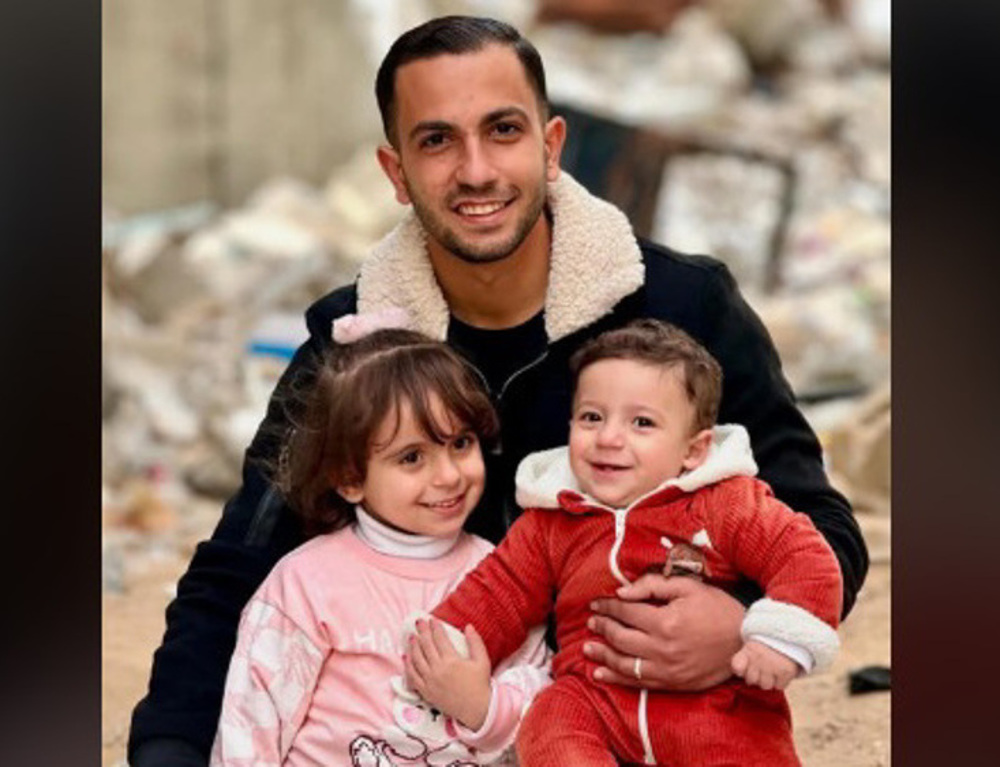
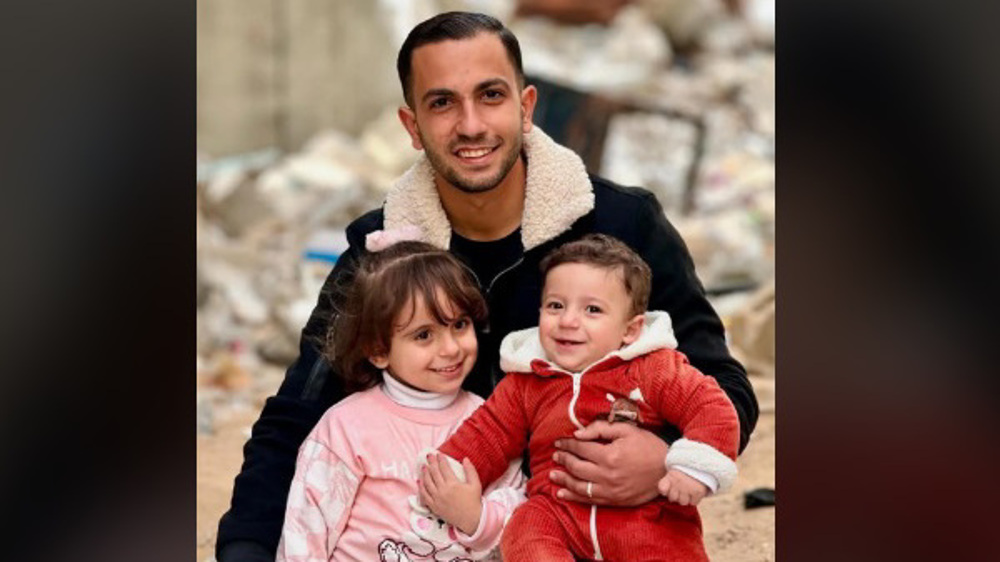
Sharif was a young journalist who dedicated his career to reporting on and exposing the Israeli regime’s crimes against Palestinians, until his life was tragically cut short by the same regime.
Born in 1996 in the Jabalia refugee camp in northern Gaza, Sharif grew up under Israeli occupation, witnessing firsthand the turmoil of the Second Intifada (2000–2005) and its aftermath.
These formative experiences deeply influenced his passion for journalism, according to his acquaintances who spoke to the media after his killing on Monday.
Sharif earned a bachelor’s degree in mass communication, specializing in radio and television studies, from Al-Aqsa University. He began his career with local Palestinian media outlets, reporting on daily life under blockade for Gaza-based radio stations and newspapers.
In 2015, he joined Al Jazeera Arabic as a junior reporter and fixer, benefiting from the network’s expanding presence in Gaza during the intensifying war. His early work focused on internal Palestinian dynamics, gradually establishing him as a prominent voice in the region’s media landscape.
From October 2023 until his death, Sharif rose to prominence through his fearless frontline coverage of the genocidal war and humanitarian crisis, becoming a trusted source for viewers worldwide.
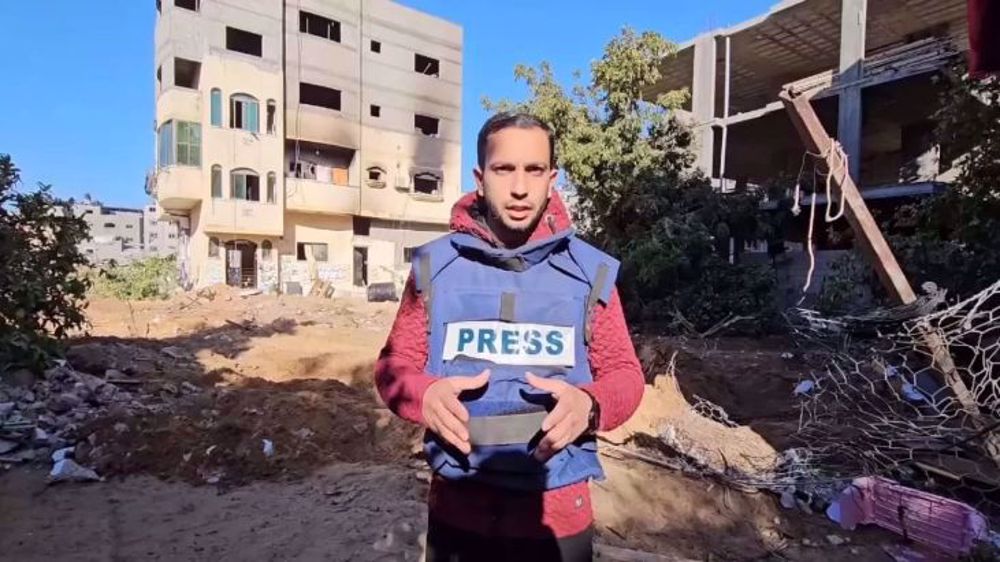
Sharif gained prominence covering Israeli airstrikes throughout Gaza and humanitarian crises, notably the 2018 Great March of Return protests, where over 200 Palestinians were killed. His on-the-ground reporting and live updates quickly established him as a trusted source amid Israeli aggression.
After 2019, his career accelerated with regular appearances on Al Jazeera broadcasts. As a senior correspondent during the 2021 Gaza war, he documented civilian casualties and widespread infrastructure damage, earning deep respect from colleagues for his resilience under fire.
Sharif became a central figure in coverage of the Israeli war following Operation al-Aqsa Flood in 2023. Reporting from northern Gaza, he provided real-time feeds during intense Israeli bombardments and ground invasions. His coverage included harrowing events such as the October 2024 al-Shifa Hospital raid — where he filmed executions — and the July 2024 killing of six UN workers.
His powerful reports on Gaza’s humanitarian crisis, including the alarming statistic that 96 percent of children were malnourished by mid-2025, drew international attention and concern.
On January 15, following the announcement of the short-lived Gaza ceasefire, Sharif took off his press helmet, which had been "drowning" him—and vest—which he considered part of his body.
He pays tribute to his slain colleague, Ismail Al-Ghoul, as he was raised on the shoulders of friends.
In March, he lost another close friend and colleague, Hossam Shabat. Shabat was killed by an Israeli strike in Gaza City. Both were continuously chased by the occupation forces.
In April, Sharif recorded a poignant message expressing his determination to continue reporting despite fearing for his life, underscoring the escalating risks as Israeli targeting intensified.
Just weeks before his death, in July, an Israeli military official publicly accused him of Hamas affiliations—a blatant campaign of incitement reflecting his growing influence and the threat his reporting posed to the genocidal regime.
"I want to stay in Gaza"
— Palestine Highlights (@PalHighlight) August 11, 2025
An old video shows martyred journalist Anas Al-Sharif with his daughter, vowing to stay and resist in Gaza, saying he would never leave under any circumstances.
Follow: https://t.co/v6VYZYhWHD pic.twitter.com/UPjA3bWtwR
Palestinian condemnations
Hamas resistance movement denounced the Israeli army’s strike that killed Sharif and his fellow journalists as a savage crime that “surpasses all fascist and criminal limits.”
The group emphasized that the slain journalists had courageously exposed Israeli starvation policies and the ongoing famine, which made them targets.
The killing of journalists, the statement noted, aims to silence media coverage of atrocities in Gaza City and urged the international community, the UN Security Council, and journalists worldwide to act immediately against the occupation regime.
The Palestinian Islamic Jihad (PIJ) labeled the killings a “heinous war crime” committed by “the world’s most brutal army,” blaming Arab and Western governments for failing to halt the Israeli regime and linking the violence to rejected ceasefire efforts.
The Popular Front for the Liberation of Palestine (PFLP) declared the attack as proof that “truth is the occupation’s enemy” and branded it a full war crime.
It said the killings are a signal of intent to commit further crimes without witnesses.
The resistance group mocked Israeli claims of permitting foreign press access while murdering local journalists armed only with “a camera and microphone,” warning that global silence amounts to complicity and demanding legal accountability.
The Popular Resistance Committees in Palestine (PRC) honored Sharif as an “icon” who exposed the “Zionist holocaust.”
The group said the killings reveal the Israeli premier’s lies and the regime’s fear of truth-tellers. Vowing to continue the path of the martyrs, the PRC pledged resistance until the collapse of Zionism.
Fatah al-Intifada mourned the “martyrs of truth,” condemning the attacks as blatant violations of human rights. It accused the Israeli regime of blinding the world to genocide and demanded protection for media workers. The Palestinian Mujahideen Movement also issued fierce condemnation of the killings.
The Palestinian Journalists Protection Center (PJPC) noted that the assassinations followed months of Israeli incitement against Al Jazeera journalists. It called for an independent international investigation and urgent measures to protect journalists in conflict zones.
International condemnations
Al Jazeera denounced the killing of its journalists as a deliberate assassination and pledged to seek justice through international legal channels, honoring al-Sharif's role as a Palestinian storyteller.
The Committee to Protect Journalists (CPJ) raised alarms about the strike, insisting the Israeli regime stop attacking media personnel and properly investigate, referencing Sharif's earlier safety concerns.
Reporters Without Borders (RSF) declared the killing of journalists, including Sharif, a war crime, emphasizing the need for accountability while revealing that Gaza had become the world's most dangerous place for journalists in 2025.
The Guardian characterized the attack as part of the Israeli systematic targeting of journalists, questioning the unverified Hamas allegations and demanding an independent probe.
Numerous media outlets and analysts around the globe connected Sharif's death to wider efforts by the Israeli regime and Western allies to stifle coverage that exposes its crimes.
UN human rights officials dismissed the "Hamas membership" claims as unfounded, repeating demands for both a ceasefire and journalist safeguards, with Secretary-General Antonio Guterres noting this as part of 188 media killings since late 2023.
The Arab League joined the outcry, urging worldwide sanctions against the Israeli regime and an impartial international investigation into the killing.
"I want to stay in Gaza"
— Palestine Highlights (@PalHighlight) August 11, 2025
An old video shows martyred journalist Anas Al-Sharif with his daughter, vowing to stay and resist in Gaza, saying he would never leave under any circumstances.
Follow: https://t.co/v6VYZYhWHD pic.twitter.com/UPjA3bWtwR
Mass protests demanding accountability erupted from Ramallah to London, with demonstrators accusing Israel of crushing press freedom.
On social media platform X, pro-Palestinian voices memorialized al-Sharif as a journalistic martyr, making #JusticeForAnas explode with over half a million mentions.
Iran's condemnation
Iran's foreign ministry also strongly condemned the continued massacre of journalists in Gaza.
In a statement, ministry spokesman Esmail Baghaei said a press badge is "no shield against genocidal war criminals who fear the world witnessing their atrocities."
"Five more journalists —Al Jazeera’s entire team—were assassinated in cold blood by the Israeli regime’s deliberate airstrike on their tent in Gaza City," he stated.
Baghaei hastened to add that Gazans continue to be massacred, starved to death, and targeted in Israeli-American 'food traps'.
"Strong condemnation is the bare minimum for any decent human being, but the world must act immediately to stop this harrowing genocide and hold the criminals accountable. Indifference and inaction are complicity in Israel’s crimes," he wrote in a post on X.
Sharif's final message
In a pre-written statement dated April 6, 2025, Sharif expressed his resolve to report despite the danger, stating he "lived the pain in all its details" and anticipated his death.
The summarized text of his statement:
If you read this, Israel has killed me. Peace be upon you, with Allah's mercy and blessings.
I dedicated my life to speaking for my people, born in Jabalia's alleys, dreaming of returning to Asqalan. But Allah willed otherwise. I endured pain, loss, and suffering—yet never wavered in truth. Let Allah judge those who stayed silent as our children were torn apart.
I leave you Palestine—the jewel of the Muslim world, its heart beating in every free soul. Remember its children, crushed under bombs, denied even dreams.
Do not be silenced. Break chains. Be bridges to liberation.
Care for my family: my daughter Sham, whose life I won't see; my son Salah, who must carry my mission; my mother, whose prayers sustained me; and my wife, Bayan, unwavering like an olive tree. Stand by them.
If I die, I die firm in faith. I accept Allah's decree, certain of His reward.
O Allah, make me a martyr. Forgive my sins. Let my blood light the path to freedom. Pray for me—I kept my vow.
Do not forget Gaza. Do not forget me.
Israeli forces have killed 300 Palestinian children since Gaza 'ceasefire': UNICEF
US relocating refueling aircraft from Israeli-occupied lands: Report
Israel strikes Syria as Turkish FM visits Damascus, exposing rivalry for control



Trump’s top general seeks way out of Iran war as US military options narrow: Report
Foreign media’s admission of Trump’s defeat reflects efforts of revolutionary media: IRGC
VIDEO | 'Mecca Joint Defense Agreement': Strategic shift or regional security dynamics?
Iran will resist any attempt to force it into submission: Pres. Pezeshkian
US Senate overwhelmingly approves sweeping Russia sanctions package negotiated by late Sen. Graham
‘Time to rely only on ourselves, embrace true brotherhood’: Iran tells regional Muslim nations
US on the verge of 'significant strategic defeat' against Iran: Ex-US negotiator
VIDEO | Tunisia’s medicine price hikes fuel social concerns over healthcare access


 PressTV NEWSLETTER
now
PressTV NEWSLETTER
now
 This makes it easy to access the Press TV website
